Choosing a Guide
Choosing a Guide
The Question Nobody Asks Before a Psychedelic Experience
Before a psychedelic experience, people tend to ask the same questions.
What dosage should I take?
What strain is it?
Will I see visuals?
What should I expect?
These questions feel important and they give a sense of control. They make the unknown feel a little more predictable.
But there is one question that matters far more than all of them and almost nobody asks it:
Who is the person guiding this experience?
The Detail Everyone Overlooks
We’ve been taught to think of psychedelics as the main event. The substance. The journey. The breakthrough.
But psychedelics don’t exist in a vacuum.
They amplify what is already there: your thoughts, your emotions, your memories, your fears. They soften the boundaries of the mind and make you more open, more suggestible, and more sensitive to your environment.
And in that state, everything around you matters.
The room matters.
The music matters.
The furniture matters.
But most importantly, the person holding space matters.
Because when you are in that open, vulnerable state, you are not just experiencing the medicine, you are also experiencing them.
Not All Facilitators Are the Same
As psychedelics become more mainstream, more people are stepping into the role of facilitator. Some come from therapeutic backgrounds. Some from ceremonial traditions. Some from personal experience.
And some… simply see an opportunity to make some money in a field that doesn’t ask for credentials.
From the outside, it can be difficult to tell the difference.
Two facilitators can offer nearly identical experiences on paper – same medicine, similar setting, comparable price – and yet the actual experience can feel completely different.
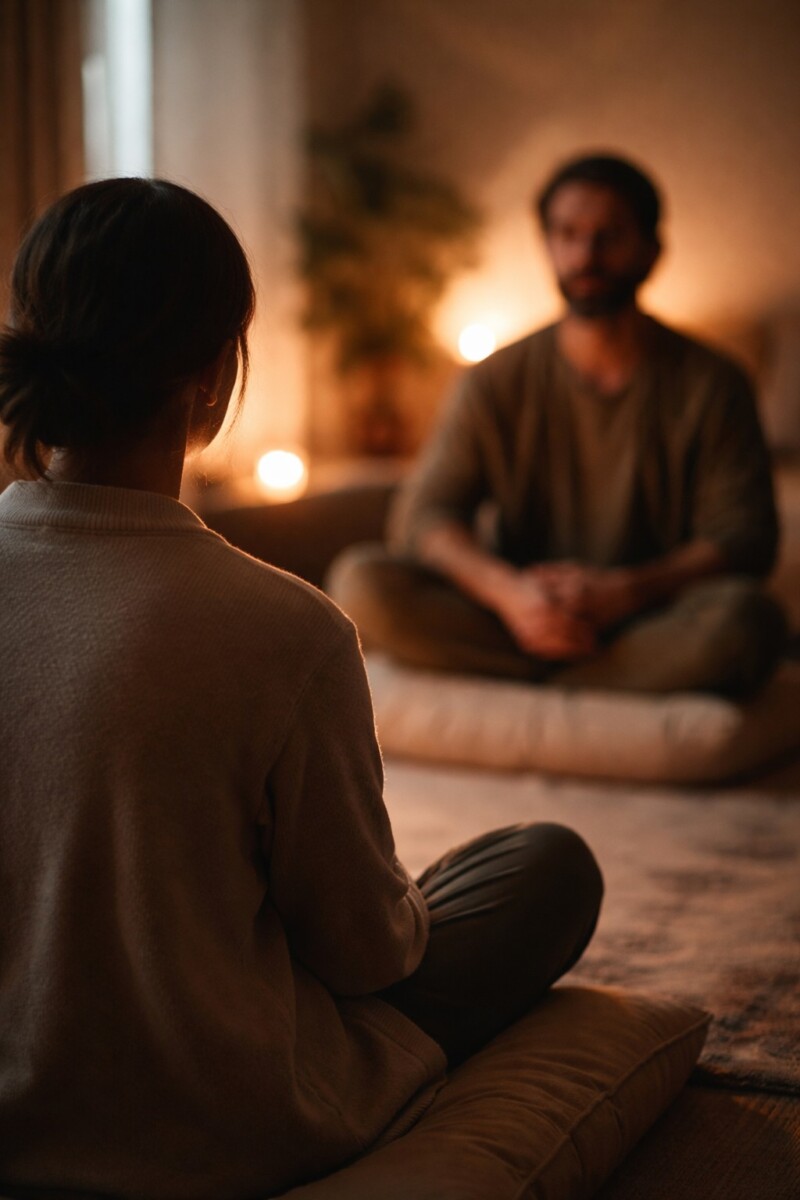
One might feel safe, grounded, and supported.
The other might feel uncertain, disconnected, or even unsettling.
This is because facilitation is not just about logistics. It’s about presence, awareness, emotional intelligence, and the ability to hold space without projecting, controlling, or interfering.
And those qualities are not always visible on a website.
Why the Facilitator Matters So Much
A psychedelic experience often brings people face-to-face with things they have been avoiding for years.
Unprocessed grief.
Old trauma.
Guilt.
Fear.
Patterns they haven’t been able to break.
These moments can be incredibly meaningful, but they can also be overwhelming.
And when moments like that arise, the facilitator becomes a key part of the experience in the way they handle that situation.
Do they remain calm when things get intense?
Do they know when to step in and when to give space?
Do they offer grounding, or do they unintentionally add pressure?
Do they suggest ideas or implant their own bias into the experience?
A skilled facilitator understands that they are not there to control the experience, but to support it. They know how to create an environment where the participant feels safe enough to go deeper. Not because they are being pushed, but because they are being held.
An unskilled facilitator, on the other hand, can disrupt that process without even realizing it. Especially if the facilitator holds the perspective that they are the ones in control of the ceremony.
Questions You Should Be Asking Your Facilitator
Before you commit to a psychedelic experience with someone, it’s worth slowing down and asking a different set of questions.
Not just about the medicine, but about the person.
What is their relationship with the medicine?
Have they done their own deep work, or are they simply facilitating others from the outside?
How do they handle difficult experiences?
Because at some point, something difficult will come up. That’s not a possibility; it’s part of the process.
What are their intake procedures?
Were you asked about medications or your mental space? How did they assess your readiness? Or did it feel like everyone is fit for the experience?
What does preparation look like?
Are you being guided beforehand, or just given instructions and a date? Do you meet your facilitator before the ceremony?
What about integration?
Do they support you after the experience, or does the relationship end once the ceremony is over?
What is their emergency protocol?
Psilocybin is essentially safe, but emergencies can happen. You need to know what their plan is.
And lastly, this question is not for your facilitator–it is for you…

Do I feel safe with this person?
Not impressed. Not convinced. Not sold.
Safe.
Safety is deeply tied with our sense of trust. If your feelings from the first interaction seem off, listen to that.
The Illusion of Control
It’s understandable why people focus on things like dose and setting.
They feel measurable. Adjustable. Controllable.
You can read about dosage.
You can compare strains.
You can design the environment.
It gives the impression that if you get those variables right, the experience will go well.
But psychedelics don’t work like a formula.
You can have the “perfect” setup and still have a difficult experience.
And you can have a simple setup with the right person and feel completely safe.
Because, beyond all the variables, what you are really stepping into is a relational space.
You are entering a state where trust matters more than control.
This Is About Trust
At its core, a psychedelic experience is an act of trust.
You are trusting someone to:
-Hold a safe environment
– Respect your boundaries
-Support you if things become difficult
-Not blame you if things get difficult
-Help you make sense of what comes up afterward
-Have a plan if an emergency comes up
That’s a significant responsibility.
And yet, many people spend more time researching a hotel or product than they do researching the person guiding their psychedelic experience.
It’s not because they don’t care. It’s because they don’t realize how important that role is.
When the Experience Ends
There’s another piece that often gets overlooked: what happens after.
A psychedelic experience can bring clarity, insight, and emotional release. But those moments don’t automatically translate into lasting change.
That’s where integration comes in.

A facilitator who understands this will not disappear once the ceremony is over. They will help you process what came up and bring it into your daily life.
Without that support, even powerful experiences can fade. Insights get forgotten. Old patterns return.
The ceremony might last a day.
The real work happens in the weeks that follow.
Ask Better Questions
Psychedelics can be incredibly powerful tools. They can open doors and shift perspectives in ways that feel life changing.
But they are not just about what you see or feel in the moment.
They are about the space you enter, and the people who hold that space with you.
So, before you ask about the dose…
Before you ask what visuals you’ll see…
Before you ask what to expect…
Ask this:
Who is guiding me through this, and would I trust them with one of the most important experiences of my life?
Because the experience is not just about the medicine.
It’s about the environment, the support, and the person who is there when things get real.
And that is the question that matters most.
Sophia Ellowen is the founder and lead facilitator of Psilence Ceremony, a private psilocybin therapy practice in Mexico. She writes about mental health, trauma recovery, and emerging techniques to healing, including psychedelic-assisted therapy, integration, and preparation practices. Her work focuses on education, safety, and responsible pathways to psychedelic therapy and mental health recovery.
Gallery
Recent Articles
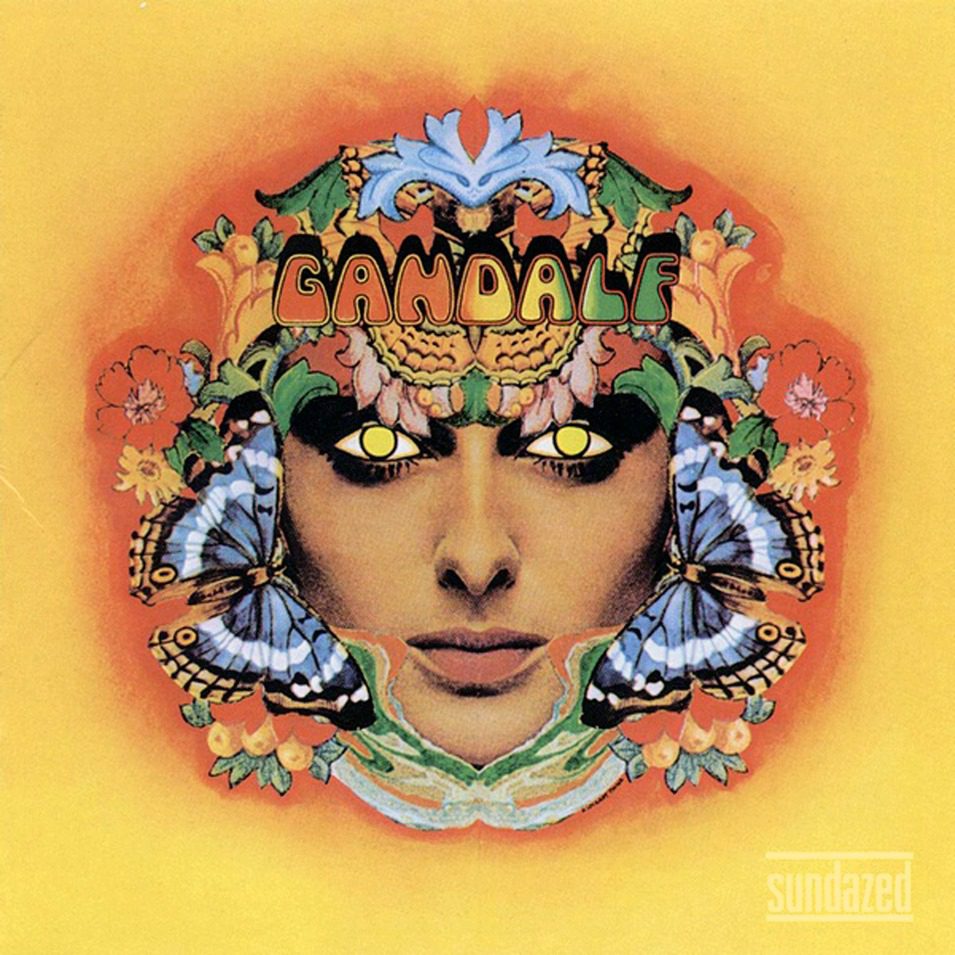
Vinyl Relics: Gandalf
•
October 15, 2026
Loading...