
Vinyl Relics–Roger the Engineer by The Yardbirds
- Farmer John
What happens when you put a lawyer, psychedelics, and artificial intelligence in the same conversation? You get a powerhouse discussion that cuts through hype and dives deep into the urgent issues shaping the future of healing and innovation.
In this episode of the Psychedelic Scene Podcast, host Jill Sitnick talks with Victoria, an attorney with Rudick Law Group, whose professional journey has traversed major crimes prosecution, corporate law, healthcare, and now psychedelics and data privacy. Her story is a masterclass in transformation, and her insights shine a light on what ethical psychedelic progress could (and should) look like.
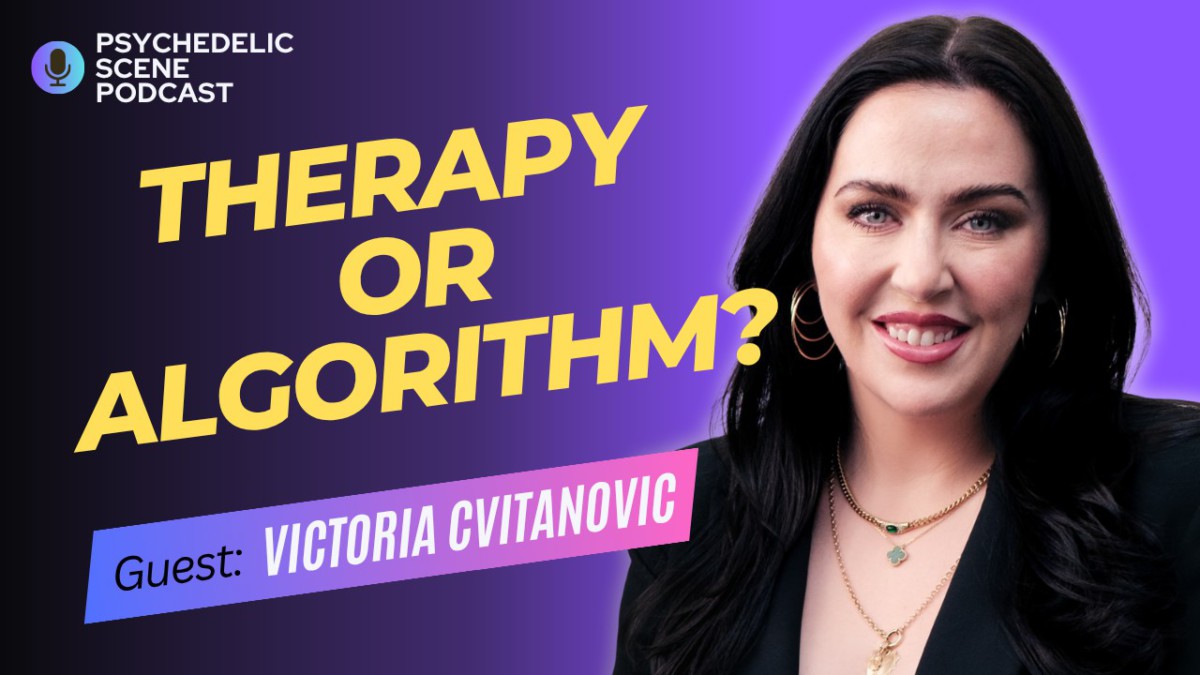
Victoria began her legal career in narcotics and major crimes. Like many mission-driven public servants, she entered the justice system hoping to make a difference from the inside. But what she witnessed broke her heart: countless people prosecuted for actions that, in her eyes, were symptoms of untreated trauma and mental illness.
“These people weren’t criminals. They were patients. They needed help, not punishment.”
This realization shifted the course of her life and her legal focus. She dove headfirst into learning everything about the systems that shaped these outcomes: corporate structures, healthcare finance, data regulation, and ultimately, how psychedelics fit into the larger picture of mental health access and equity.
Like so many in this space, Victoria’s advocacy was born from personal pain. A severe back injury left her disabled just as the COVID-19 pandemic began. Isolated, in extreme pain, and expected to perform at full capacity as a lawyer during a global crisis, she became deeply depressed.
She discovered psychedelic therapy out of necessity, and what it gave her was nothing short of life-saving.
“Psychedelics gave me another lease on life.”
Her transformation led her to shift her legal career to support safe, ethical, and accessible psychedelic use—especially for people failed by the traditional medical and legal systems.
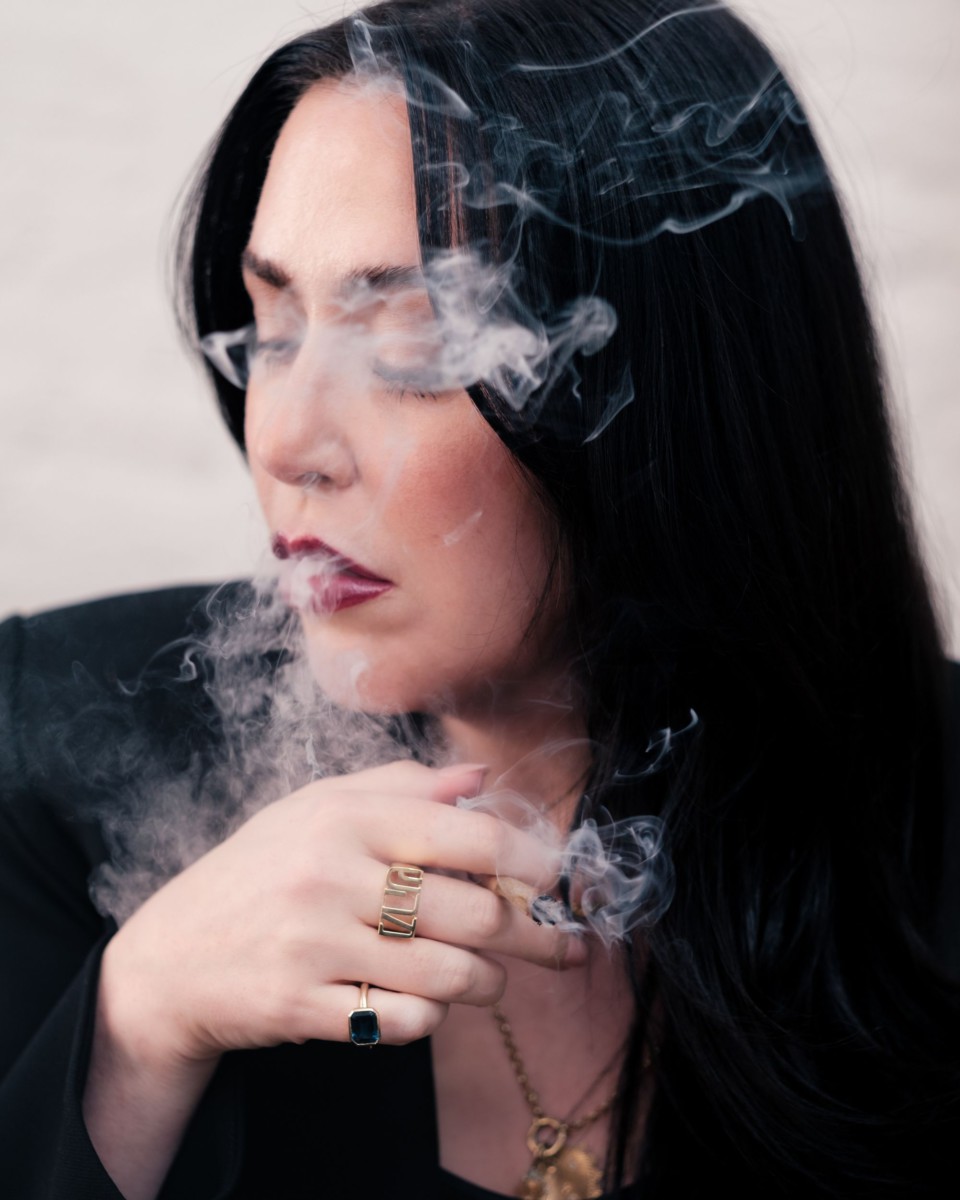
This conversation wasn’t just about the healing potential of psychedelics; it quickly veered into the territory of artificial intelligence and, critically, data privacy.
Psychedelic healing often involves deeply personal information, trauma histories, emotional breakthroughs, and medical conditions. As digital tools (including AI) begin to assist in psychedelic integration and therapeutic support, the question becomes:
Victoria’s legal expertise in cybersecurity and healthcare law made one thing clear: the psychedelic space must build infrastructure for ethical data collection, storage, and use. Without clear guidelines, we risk replicating the same exploitative systems that have historically harmed vulnerable populations.
Victoria’s message was direct: We have a chance to build this right if we don’t wait too long.
She calls on everyone in the community, from facilitators to app developers, to ask hard questions:
“The community must align its values with its technology. We’re not just building healing systems, we’re building ethical systems.”
Victoria’s journey from prosecutor to psychedelic advocate is a testament to what’s possible when people do the inner work and bring their expertise along for the ride. She’s not just talking theory; she’s building a legal framework that protects this field as it grows.
Her hope is the same as ours: a psychedelic future that’s safe, ethical, and accessible.