Podcast–Paul Walton
Podcast–Paul Walton
How First Responders Are Exploring Plant-Based Mental Health Support, and What Others Can Learn from It
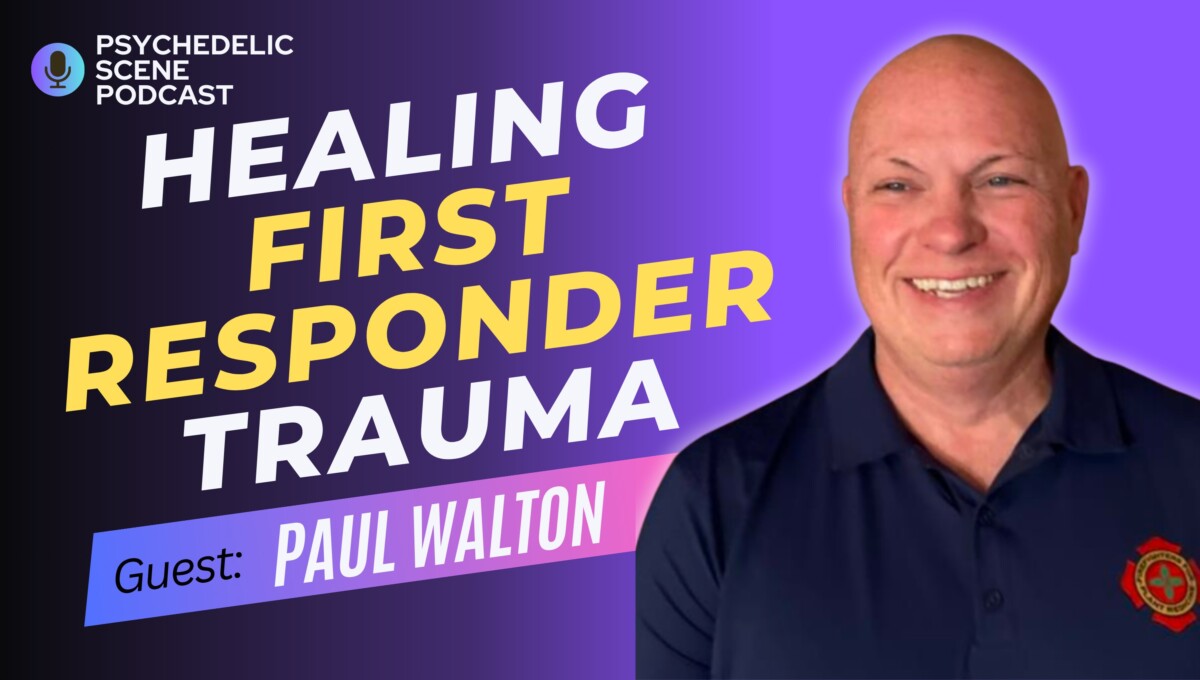
First responders are trained to run toward danger, not talk about what it does to them afterward. In this episode of the Psychedelic Scene Podcast, firefighter Paul Walton explains how that gap is starting to close, and what it really takes to change policy, culture, and care from the inside.
Introduction
First responders experience repeated exposure to trauma, disrupted sleep, and chronic stress, yet are rarely taught how to process it. In this conversation, Paul Walton, a firefighter with more than 17 years on the job and Executive Director of Firefighters for Plant Medicine, explains how education, policy work, and careful use of plant-based tools are beginning to change that reality in New Mexico.
This episode is not about quick fixes or miracle cures. It is about process, responsibility, and what it actually looks like to create safer mental health pathways inside high-stakes professions.
Why Is Mental Health So Hard to Address in First Responder Culture?
First responders are often expected to absorb trauma quietly and keep going. Paul explains that most firefighters are never taught how to process the emotional impact of their calls. Over time, this can show up as anxiety, sleep problems, chronic pain, or emotional shutdown.
The biggest barrier is not access. It is reluctance to admit help is needed at all.
Why Cannabis Became the Entry Point
Paul did not begin this work looking for a political fight. After a work-related injury and surgery, he struggled with opioid side effects and turned instead to state-approved medical cannabis.
What surprised him was not just pain relief, but a sense of emotional regulation returning.
From there, the focus became education, intent, and responsible use. Not recreation. Not escape. A tool used carefully and off-duty, like many other medications.
How Policy Actually Changed in New Mexico
This did not happen overnight.
Paul outlines a step-by-step process that included:
- Reviewing federal rules to confirm there was no automatic loss of funding
- Examining state medical cannabis language carefully
- Identifying inconsistencies in employer drug testing policies
- Educating HR departments and county commissioners repeatedly
- Securing bipartisan approval at the county level
The result was a tiered testing policy that removed THC from random testing for most firefighters, while still maintaining safety-based impairment standards.
What First Responders Reported After Access Expanded
After the policy change, feedback from firefighters included:
- Improved sleep
- Reduced anxiety
- Better family relationships
- Reduced alcohol use
- In some cases, reports of life-saving impact
Paul emphasizes that this is not for everyone, and not a stand-alone solution. Intent and education matter.

Jill Sitnick
Why Psychedelic-Assisted Therapy Is a Separate Conversation
As New Mexico moves toward regulated psilocybin services, Paul is focused on making sure first responders are explicitly considered in the rules.
Key concerns include:
- Time off before returning to high-stress work
- Preparation and integration support
- Peer-informed facilitation
- Avoiding one-size-fits-all therapy models
The goal is not rapid exposure. It is responsible care that recognizes occupational realities.
What Other First Responders Can Do Right Now
Paul suggests starting with:
- Reading your department’s drug and mental health policies carefully
- Reviewing state medical language and definitions
- Confirming federal requirements directly, not through rumor
- Documenting precedents from other cities and states
- Leading with education, not demands
He also encourages people to reach out directly to advocacy groups for guidance rather than starting alone.
Gallery
Recent Articles

It’s Too Late by The Crystal Teardrop–Single Review
•
April 4, 2026
Podcast–Curt Kearney
•
April 1, 2026

Loading...
Vinyl Relics–Roger the Engineer by The Yardbirds
- Farmer John