Podcast–Carlos Tanner
Podcast–Carlos Tanner
What “No Longer Diagnosed With PTSD” Actually Means
A clearer way to understand recovery, severity, and real change
When people hear that someone “no longer meets the criteria for PTSD,” it’s easy to assume that means they’re cured. But that assumption misses how mental health diagnoses actually work.
A Conversation About Context, Not Claims
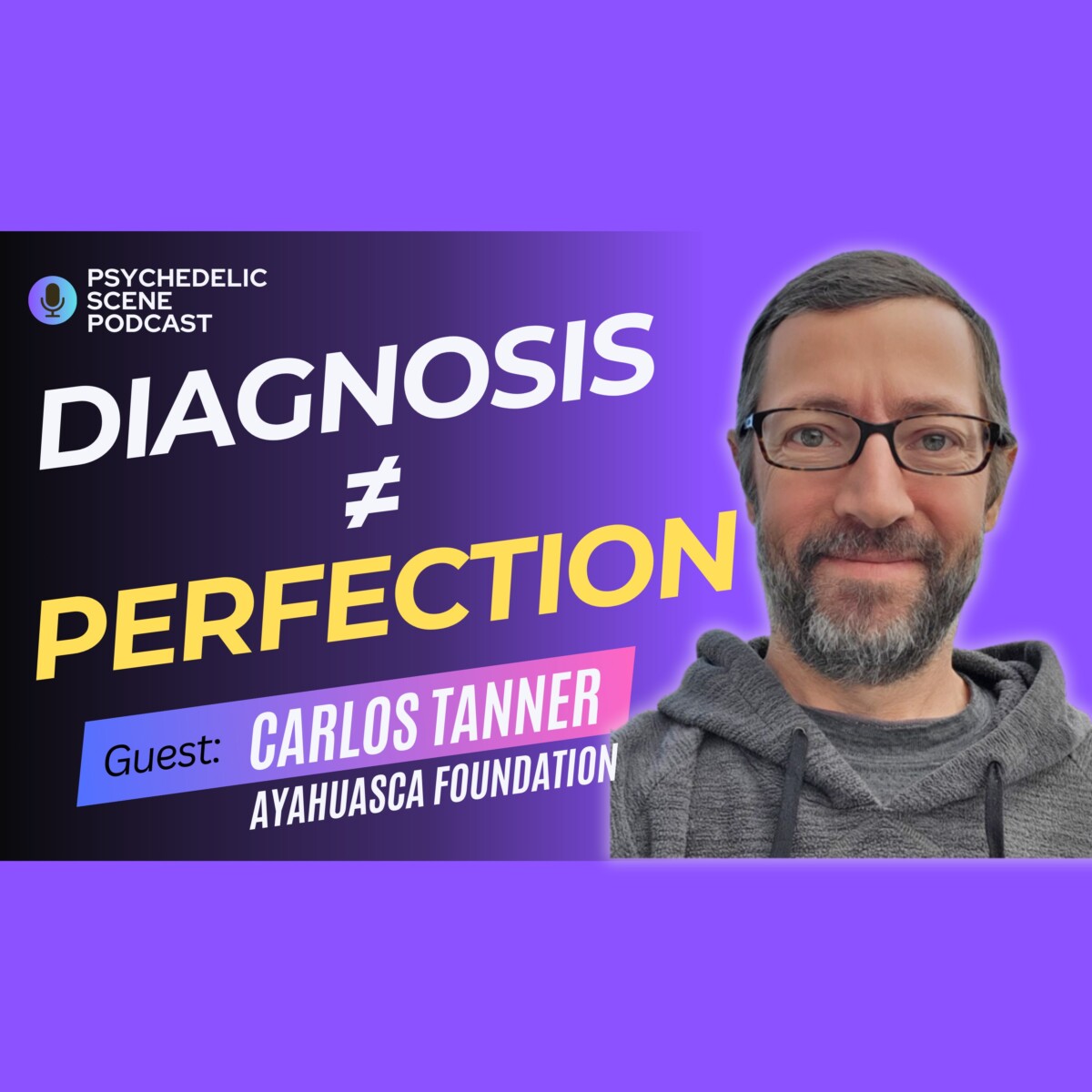
In this episode of the Psychedelic Scene Podcast, host Jill Sitnick speaks with Carlos Tanner, Director of the Ayahuasca Foundation, about how PTSD outcomes are often misunderstood when shared publicly.
Carlos references follow-up data from a retreat program for veterans, noting that many participants no longer met the diagnostic criteria for PTSD at a six-month check-in. But the most important part of the conversation isn’t the number. It’s the explanation that follows.
This discussion focuses on how diagnosis works, what improvement actually means, and why careful language matters — especially for people still navigating mental health challenges.
What Does “No Longer Meeting Diagnostic Criteria” Mean?
Mental health diagnoses are based on severity, duration, and functional impact. Symptoms exist on a spectrum, and a diagnosis is typically applied only when those symptoms significantly interfere with daily life.
Not meeting diagnostic criteria does not mean:
- Symptoms are completely gone
- Life feels perfect
- Struggle has disappeared
It means symptoms are no longer severe or disruptive enough to meet the threshold for a clinical diagnosis.
As Carlos explains, many people live with anxiety, depression, or trauma-related symptoms without ever receiving a diagnosis. The line is crossed only when those symptoms become debilitating
Why Severity Matters More Than Labels
Jill adds personal context to the conversation by describing how her own PTSD diagnosis was tied to suicidality. That experience highlights an important reality: diagnoses often reflect how intense and dangerous symptoms have become, not simply whether distress exists.
This distinction matters because:
- It prevents unrealistic expectations of “being fixed”
- It reduces shame for people who still struggle
- It allows improvement to be recognized without demanding perfection
Recovery, in this framing, isn’t about erasing symptoms. It’s about reducing their grip on daily life.
Improvement Without Perfection Is Still Real Progress
One of the most harmful narratives in mental health is the idea that recovery must be total to count.
This conversation offers a more humane alternative:
- Symptoms can still arise
- Coping is still required
- Life can still be complex
And yet, someone can function better, feel safer, and regain agency. That shift alone can be life-changing.
Why Language Around PTSD Outcomes Matters
When statistics are shared without explanation, they can unintentionally create pressure or confusion. People who don’t experience dramatic change may assume they’ve failed or done something wrong.
Clear, grounded language helps:
- Set realistic expectations
- Protect vulnerable listeners
- Build trust instead of hype
This episode models how to talk about mental health outcomes responsibly — without minimizing progress or exaggerating results.
Gallery
Recent Articles

Podcast: Cesar Marin
•
September 9, 2026

Hempispheres by Sleep: Album Review
•
September 7, 2026
Loading...