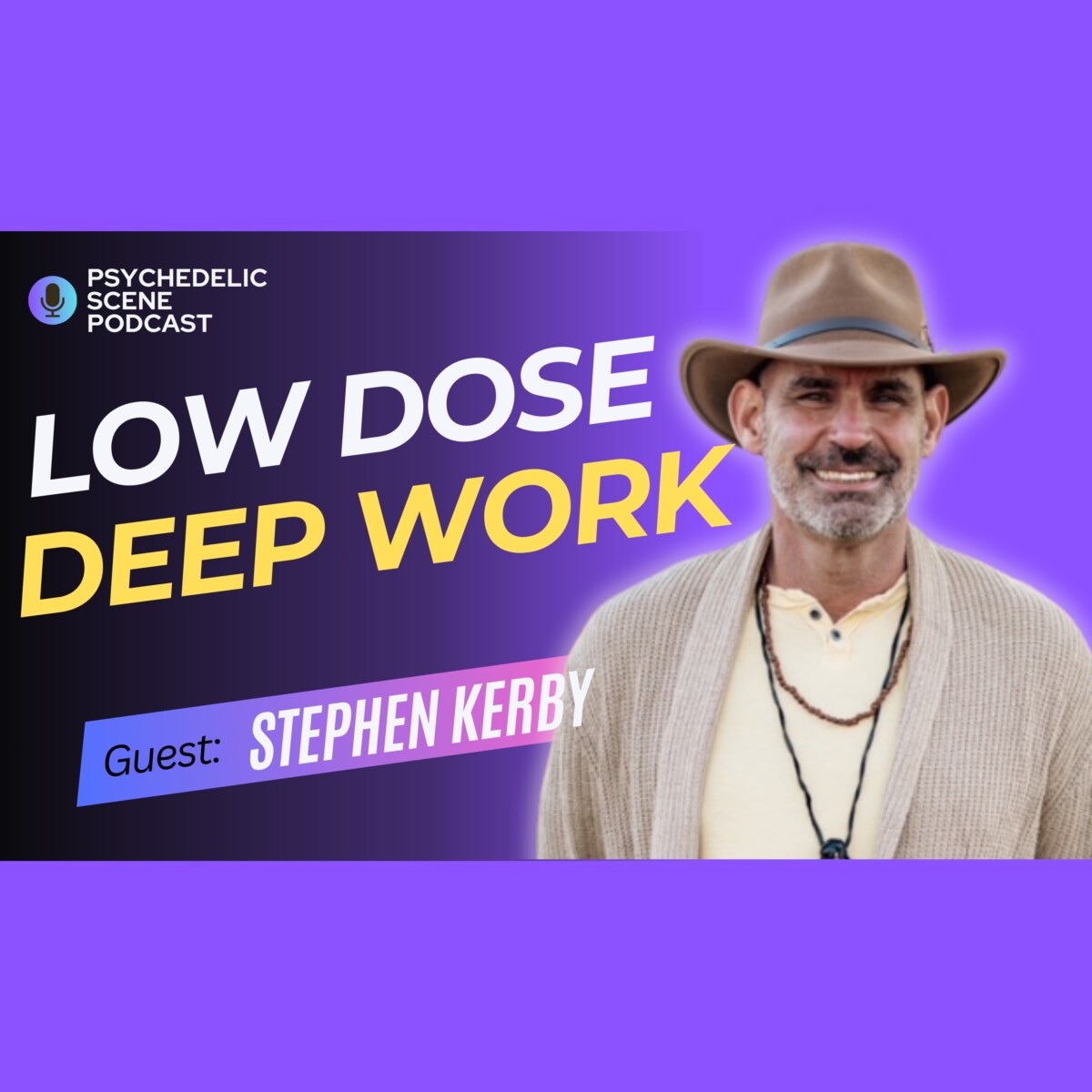
Podcast with Stephan Kerby: Trauma-Informed Psychedelic Work
Podcast with Stephan Kerby: Trauma-Informed Psychedelic Work
Low-Dose Psychedelic Work and Trauma: Why Slower Can Be Safer
What if psychedelic transformation isn’t about going bigger, deeper, or more intense, but about slowing down enough for the nervous system to keep up?
The Problem With “Bigger Is Better”
In psychedelic culture, intensity is often treated as proof of effectiveness. Bigger experiences. Faster breakthroughs. Deeper mystical states.
But according to Stephan Kerby, that framing misses something critical: the nervous system.
Large psychedelic experiences can overwhelm protective patterns before a person has the capacity to integrate what happened. When that happens, people may return home feeling confused, destabilized, or disconnected from daily life.
The experience might be powerful. The outcome, not always helpful.
Why Low-Dose, Stepwise Work Changes the Equation
Kerby’s approach emphasizes working gradually with non-ordinary states rather than forcing a single dramatic event.
Low- and medium-dose sessions allow people to:
- Stay partially oriented
- Learn how their nervous system responds
- Practice returning to regulation
- Build familiarity with altered states instead of being thrown into them
This creates skill, not just experience.
Trauma Is Not a Problem to Blast Through
From a trauma-informed lens, protective responses exist for a reason. Blowing past them can increase distress rather than reduce it.
Slower protocols respect those protective systems, allowing them to soften over time rather than collapse under pressure.
Transformation Happens After the Session
One of the most important ideas from the conversation is this:
Transformation does not happen during the session.
It happens afterward.
On Tuesday morning:
In traffic
In relationships
In moments of stress and choice
Integration, in this framework, is not about interpreting symbols or retelling the experience. It is about embodiment: how someone lives differently because of what they touched.
From Peak Experiences to Lived Change
Kerby challenges the idea that more medicine equals more healing.
As people build awareness and regulation skills, they often need less medicine, not more. The goal is not dependency on altered states, but the ability to access clarity, choice, and presence in everyday life.
Gallery
Recent Articles
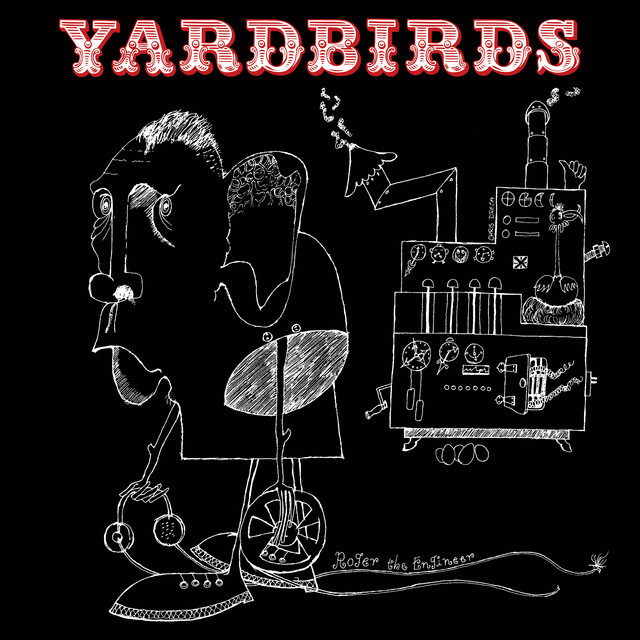
Vinyl Relics–Roger the Engineer by The Yardbirds
•
March 29, 2026
Artist Spotlight: Isabella lohane
•
March 27, 2026
Loading...
Vinyl Relics–Roger the Engineer by The Yardbirds
- Farmer John