Podcast: John Gilchrist
Podcast: John Gilchrist
Why Some Patients Are Turning to Psilocybin at the End of Life
If someone is facing the end of their life, what actually helps? Not in theory. In real experience.
Why aren’t we talking about end-of-life care differently?
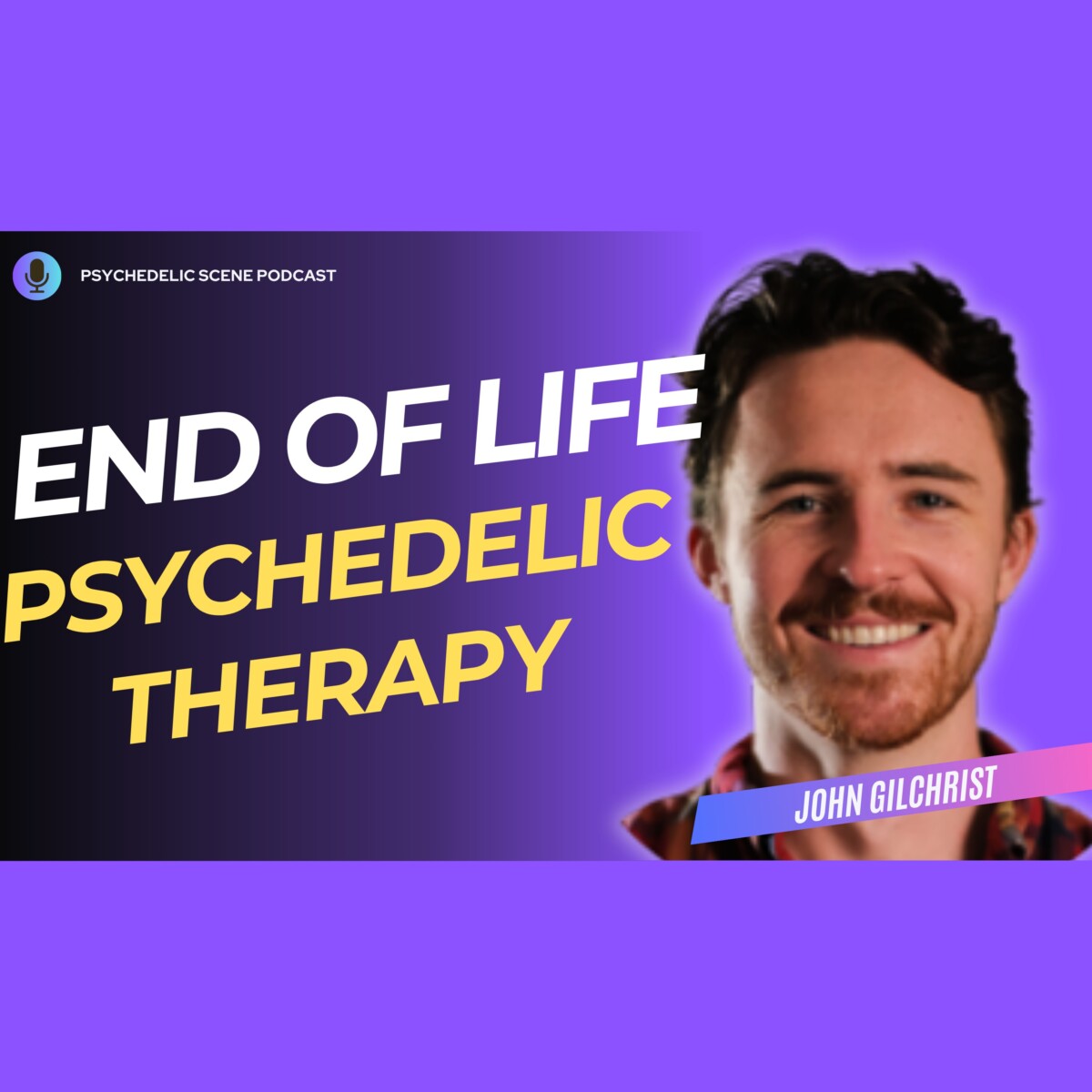
In this episode of the Psychedelic Scene Podcast, I sat down with John Gilchrist from Therapsil, a Canadian nonprofit focused on expanding access to psychedelic-assisted therapy.
What stood out immediately is that this isn’t just about mental health in the traditional sense.
It’s about how people experience one of the most difficult parts of being human: the end of life.
What does psilocybin therapy actually do at the end of life?
The clearest answer is simple:
It reduces hopelessness.
Not in a superficial way, but in a deep, emotional sense where someone shifts from fear to acceptance.
“Things just don’t feel as hopeless.”
That shift can happen quickly, but the impact often lasts.
What are people experiencing during these sessions?
There isn’t one single experience, but patterns show up:
- Processing past emotional wounds
- Reframing personal history
- Feeling connected to others
- Finding a sense of calm or perspective
Some experiences are deeply personal and difficult to describe in everyday language.
What matters is the outcome:
People feel different afterward.
Is the experience itself the “treatment”?
This is one of the most misunderstood parts.
The session is not the whole story.
“It’s maybe 10% the experience and 90% what happens after.”
The real change shows up later:
- How someone reacts to stress
- How they think about their life
- Whether fear still drives their decisions
Why is access still so difficult?
This is where things get complicated.
In Canada, patients often need to:
- Try multiple medications first
- Go through other treatments
- Wait through approval systems
Before being allowed access.
At the same time, they may already qualify for assisted dying.
“Too sick to live, but not sick enough to try a mushroom.”
That tension is at the center of ongoing policy discussions.
What about safety and preparation?
A key theme from the conversation:
These are not casual experiences.
- Preparation matters
- Environment matters
- Support matters
High-dose experiences, in particular, require guidance and care.
What’s often overlooked about this work?
One of the most important insights:
We tend to look for quick fixes.
This isn’t that.
The experience can open something, but the real work is how someone lives afterward.
“You are the medicine.”
Gallery
Recent Articles
Loading...