Podcast: Rory Van Tuinen
Podcast: Rory Van Tuinen
Can Psychedelics Help With Opioid Addiction? One Man’s Experience With Ayahuasca, Ibogaine, and Psilocybin
What happens when a psychedelic experience takes away the thing you’ve been using to cope, but you still haven’t learned how to live without it?
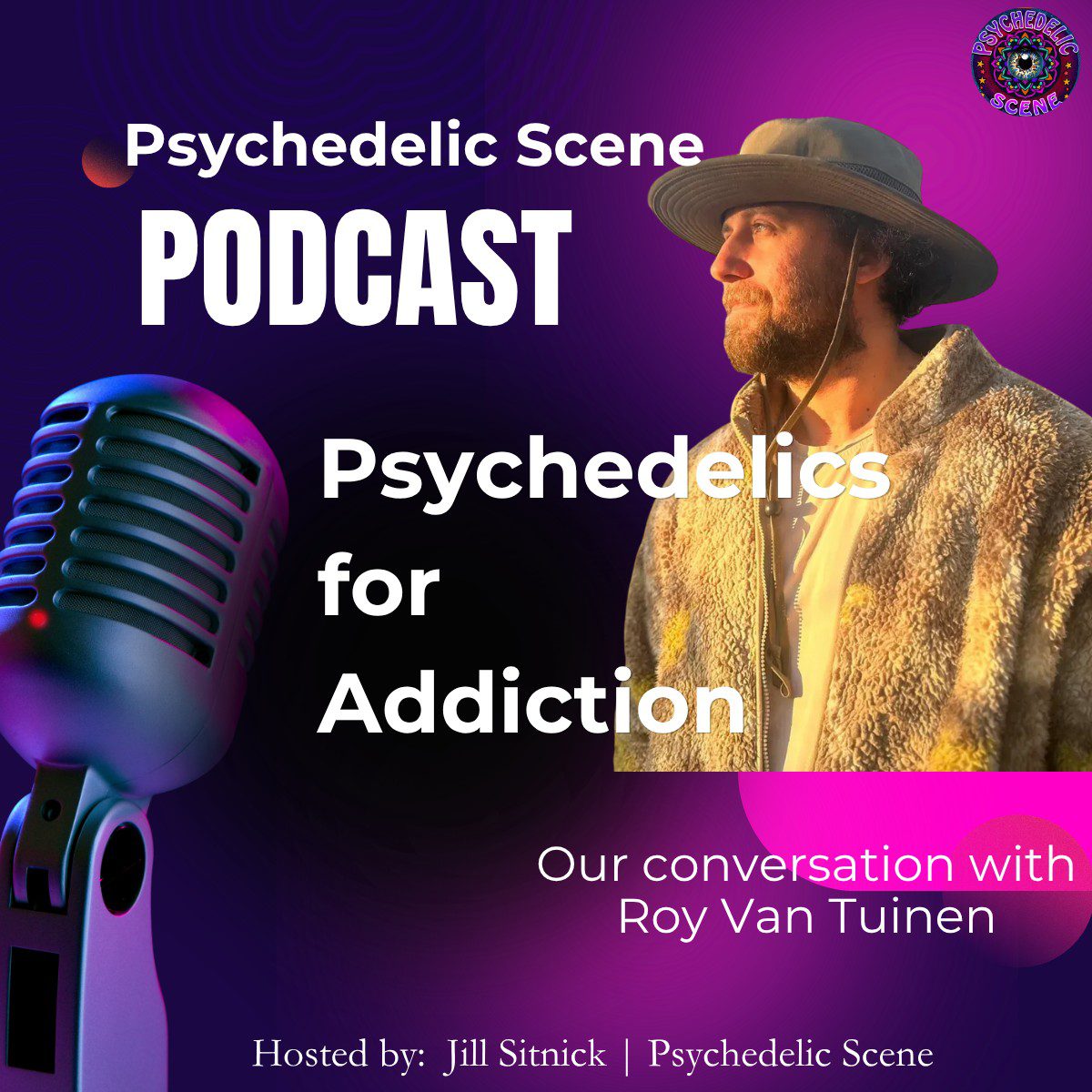
That question came up again and again during my conversation with Rory Van Tynen, author of Awakening the Heart: Reclaiming Identity After Addiction.
Rory spent much of his young adulthood addicted to opioids, including heroin and methadone. His recovery eventually included three very different psychedelic experiences with ayahuasca, ibogaine, and psilocybin.
But this isn’t a story about taking a psychedelic and suddenly being “cured.”
It’s a story about trauma, relapse, addiction, psychedelic integration, and what happens when a medicine changes your relationship with a coping mechanism before you’ve figured out what will replace it.
How Did Rory’s Opioid Addiction Begin?
Rory’s addiction didn’t begin in a vacuum.
As a teenager, his best friend died by suicide. Not long afterward, Rory was in a car accident and broke his neck. He was prescribed opioids for the injury while his life was also changing dramatically around him.
His friends left for college. Rory didn’t.
He eventually began using heroin and later started methadone following an overdose. He used heroin from approximately age 18 to 27 and methadone from 20 to 27.
Looking back, Rory understands something he couldn’t see while he was living through it: the drugs were doing more than getting him high.
They were helping him avoid things he didn’t yet know how to face.
Can Ayahuasca Stop Opioid Cravings?
Rory’s first intentional psychedelic experience was with ayahuasca while he was still using heroin and methadone daily.
Afterward, something remarkable happened.
His heroin cravings disappeared.
But the experience also forced him to confront parts of himself he had been avoiding through opioid use. Eventually, he stopped methadone as well and remained off opioids for more than a year.
Then he relapsed.
That part of Rory’s story matters because psychedelic healing is often told as a dramatic before-and-after story. Someone takes the medicine, has a profound realization, and their life changes.
Real life can be much messier.
Rory realized afterward that while ayahuasca had changed something significant, he didn’t have enough of what he called an “integration container” to support the life that came afterward.
The psychedelic experience may have opened the door.
He still had to learn how to walk through it.
What Is Ibogaine Treatment for Opioid Addiction Like?
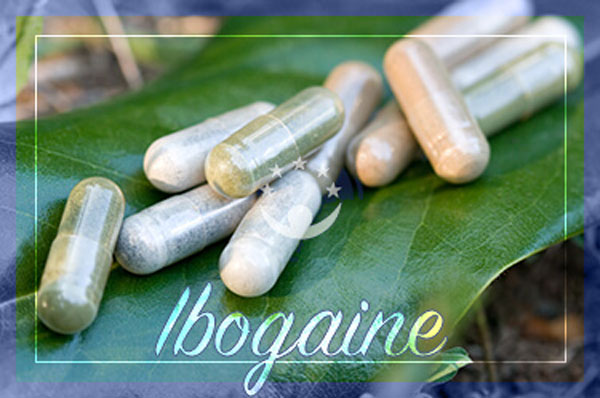
After his relapse, Rory eventually traveled to an ibogaine clinic in Mexico.
Because he was taking methadone, preparing for the experience itself became complicated. Methadone and ibogaine can create serious cardiac risks, so his treatment involved transitioning away from methadone before receiving ibogaine under medical supervision.
Rory described the clinic as somewhere between a spa and a medical facility. He was in a hospital-style bed with doctors and nurses present, and his heart was monitored throughout the experience.
The ibogaine itself came in a capsule.
His experience lasted approximately 12 hours.
Unlike ayahuasca or psilocybin, Rory didn’t describe being swept into an intensely visual psychedelic experience. For him, it felt much more cerebral.
When he emerged from it, however, he noticed something extraordinary.
He no longer felt the physical need for opioids.
“When I woke up out of it, I didn’t have any physical need or craving for opiates.”
But that wasn’t the end of the experience.
In some ways, it was the beginning.
What Is the “Gray Day” After Ibogaine?
The day following an iboga or ibogaine experience is sometimes referred to as the “gray day.”
Rory described his as extraordinarily difficult.
Physically, he felt terrible and needed support from the clinic. Emotionally, something else was happening.
The stories he had used to justify his behavior suddenly weren’t working anymore.
“It’s almost like once I walked through the veil, there’s no stories I can tell myself because I’ve walked through it.”
That realization captures something we don’t talk about nearly enough when discussing psychedelic healing.
Losing a coping mechanism can be incredibly destabilizing, even when that coping mechanism has been destructive.
Because now what?
If the substance, behavior, overworking, avoidance, or other strategy you’ve depended upon is suddenly no longer doing the job it once did, you still need another way to live.
Why Is Integration Important After Psychedelic Experiences?
Rory returned home without the same physical relationship to opioids he’d had before ibogaine.
But psychologically, the work wasn’t finished.
During the following six months, he used opioids three more times. He described an important distinction: his body no longer seemed to need the drug in the same way, but he was still struggling with the coping mechanisms and psychological patterns that had surrounded his addiction.
This is where psychedelic integration becomes so important.
A psychedelic experience may give someone insight. It may interrupt a pattern. It may even dramatically change how they experience a substance, memory, or behavior.
But insight doesn’t automatically build a new life.
That requires support, practice, relationships, new coping strategies, and sometimes a great deal of additional therapeutic work.
As we discussed during the episode: What do you do without scaffolding?
How Did Psilocybin Become Part of Rory’s Recovery?
Still struggling after ibogaine, Rory returned to a physician he had previously worked with in Canada.
Eventually, he had a high-dose psilocybin experience.
During that experience, Rory described something different from simply knowing he didn’t need opioids.
He felt it.
“I literally felt it to my core: I do not need any opiates.”
Rory is very clear that his dose and treatment experience were specific to him. His story should not be interpreted as a dosing recommendation or a suggestion that someone can treat addiction by simply taking a large amount of psilocybin.
His larger point is much more interesting anyway.
Each psychedelic experience seemed to address a different part of his relationship with addiction.
Ayahuasca helped him recognize what he had been avoiding.
Ibogaine dramatically changed his physical relationship with opioids.
Psilocybin helped create a deeply felt sense that he no longer needed them.
And integration was what allowed him to begin building a life around those changes.

Jill Sitnick
Can Psychedelics Cure Addiction?
Rory doesn’t describe ibogaine, ayahuasca, or psilocybin as a cure-all.
Neither should we.
His recovery wasn’t linear. There was psychedelic insight, abstinence, relapse, another psychedelic intervention, more opioid use, more integration, and eventually another profound experience.
That’s exactly why his story is worth hearing.
The most useful conversation about psychedelics isn’t whether they can produce extraordinary experiences. Clearly, for some people, they can.
The harder question is what happens afterward.
A powerful psychedelic experience can change something enormous. But eventually, the medicine wears off and a person goes home.
Then comes the work of learning how to live differently.
That is psychedelic integration. And learning to recognize and work with what the psychedelic experience leaves behind is integration literacy.
Rory’s story is a powerful example of why psychedelic healing isn’t necessarily a straight line and why the experience itself may only be one part of recovery.
If this conversation resonated with you, listen to the full episode of the Psychedelic Scene Podcast and explore more conversations about psychedelics, trauma, addiction, and integration.
And if you know someone who would benefit from a more nuanced conversation about psychedelics and addiction, share this article with them.
Gallery
Recent Articles
Loading...