Podcast with Wendy Perkins Shoef: Metabolic Ecology of ADHD and Microdosing with Intention
Podcast with Wendy Perkins Shoef: Metabolic Ecology of ADHD and Microdosing with Intention
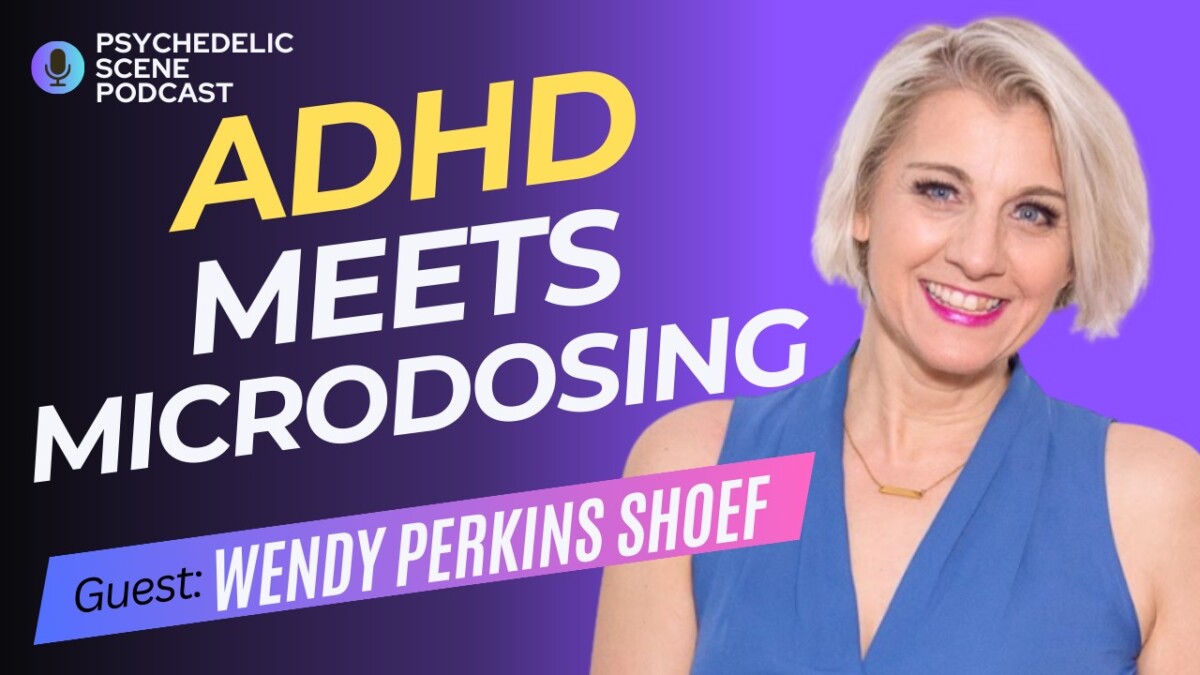
In this insightful episode of The Psychedelic Scene Podcast, host Jill Sitnick dives deep into the nuanced world of microdosing and ADHD with Wendy Perkins Schoeff, a trauma-informed coach and researcher. Wendy introduces her Metabolic Ecology Framework, which reframes ADHD not as a disorder, but as a symptom of systemic dysregulation.
🔍 What you’ll learn in this episode:
- What ADHD really is beyond the common stereotypes
- Why microdosing is not a one-size-fits-all solution
- The importance of goal setting, intention, and environment before choosing a microdose protocol
- How psychedelics interact with a dysregulated nervous system
- The five-step holistic microdosing protocol tailored for ADHD
- Why sleep is the foundational piece in any healing journey
In this insightful episode of The Psychedelic Scene Podcast, host Jill Sitnick dives deep into the nuanced world of microdosing and ADHD with Wendy Perkins Schoeff, a trauma-informed coach and researcher. Wendy introduces her Metabolic Ecology Framework, which reframes ADHD not as a disorder, but as a symptom of systemic dysregulation.
🔍 What you’ll learn in this episode:
How Microdosing Can Help with ADHD: A Deep Dive
(From “Metabolic Ecology of ADHD Microdosing” – a Psychedelic Scene podcast recap)
Introduction
If you’ve ever wondered whether microdosing could be more than a trendy experiment and actually serve real change for ADHD, you’re in the right place. In this episode of the Psychedelic Scene Podcast, host Jill Sitnick speaks with trauma‑informed coach and researcher Wendy Perkins Schoeff about her framework for using microdosing in the context of ADHD. They dive into what ADHD really is, why “just taking a pill” won’t fix the dysregulation, and how microdosing—with the proper goal‑setting, biological groundwork, and system support—can be part of a nuanced strategy.
Whether you’re curious about psychedelics, working in a trauma‑informed framework, or simply trying to improve focus and nervous‑system regulation, this post will pull out the core themes and practical takeaways.
What is ADHD, and how does it show up?
How do I define ADHD?
Wendy explains ADHD not simply as “can’t focus” or “hyperactive,” but as a dysregulated nervous system manifesting in different ways for different people. Here are the key points she raised:
- ADHD often gets described as “lack of attention” + “hyperactivity.” But the experience behind those words varies vastly.
- Diagnostic frameworks ask you to describe your internal experience — yet many people struggle to articulate it, or their internal biology is operating differently (as Wendy’s experience with her son shows).
- She reframes ADHD: “a classification of symptoms from someone who has a dysregulated nervous system.”
- Everyone might experience inattention, anxiety, or restlessness — but it becomes ADHD when the symptoms overwhelm your capacity to function and you say, “I’m really struggling.”
Here’s how to think of it: Yes, you may “bounce around” or become hyperactive or feel scattered. But the deeper issues are energy, regulation, and the nervous system’s resilience. The behavior is a symptom of that dysregulation.
What exactly is microdosing – and how does it differ from a “full psychedelic journey”?
What is microdosing?
In their discussion:
- “Micro” literally means very small. Historically, in LSD parlance, micro might mean 1/1000th of a full dose; in psychedelic‑assistant usage, it generally means something like ~ 1/10th of a full (journey) dose.
- It’s best described as a sub‑threshold or sub‑perceptual dose:
“The threshold is like the doorway; microdosing is actually below that. So you can’t really see the other side of the door.” - Just because you don’t feel something dramatic doesn’t mean it’s inactive — that subtlety is precisely the point.
- Microdosing is, according to Wendy, more of a nudge than a push — a subtle shift of the system rather than a full transformation moment.
And crucially: microdosing isn’t a shortcut. It’s one tool within a larger set of strategies for nervous‑system regulation and goal‑driven growth.
Why microdosing for ADHD requires a different mindset
What’s the biggest misconception about microdosing for ADHD?
Wendy outlines several big ones:
- People often assume: “Take the microdose → wait and focus better.” But that’s oversimplified and sets you up for disappointment.
- Because ADHD shows up differently for different people, the goals must be aligned: “If you’re procrastinating because you’re under‑energised, you don’t need something that gives you more anxiety.”
- The more important work is environment, regulation, intention, biology, before substance.
She uses the phrase: goal → set → setting → intention → then substance. - If you jump to the substance too early—while your system is dysregulated or your environment is unsafe—you may get odd results (or “it didn’t work”).
Here are some quotes worth highlighting:
“You can’t even kind of think about the medicine until you figure out what the goal is.”
“Microdosing is like a nudge versus a push … if you feel something, you’re actually putting yourself into turbulence.”

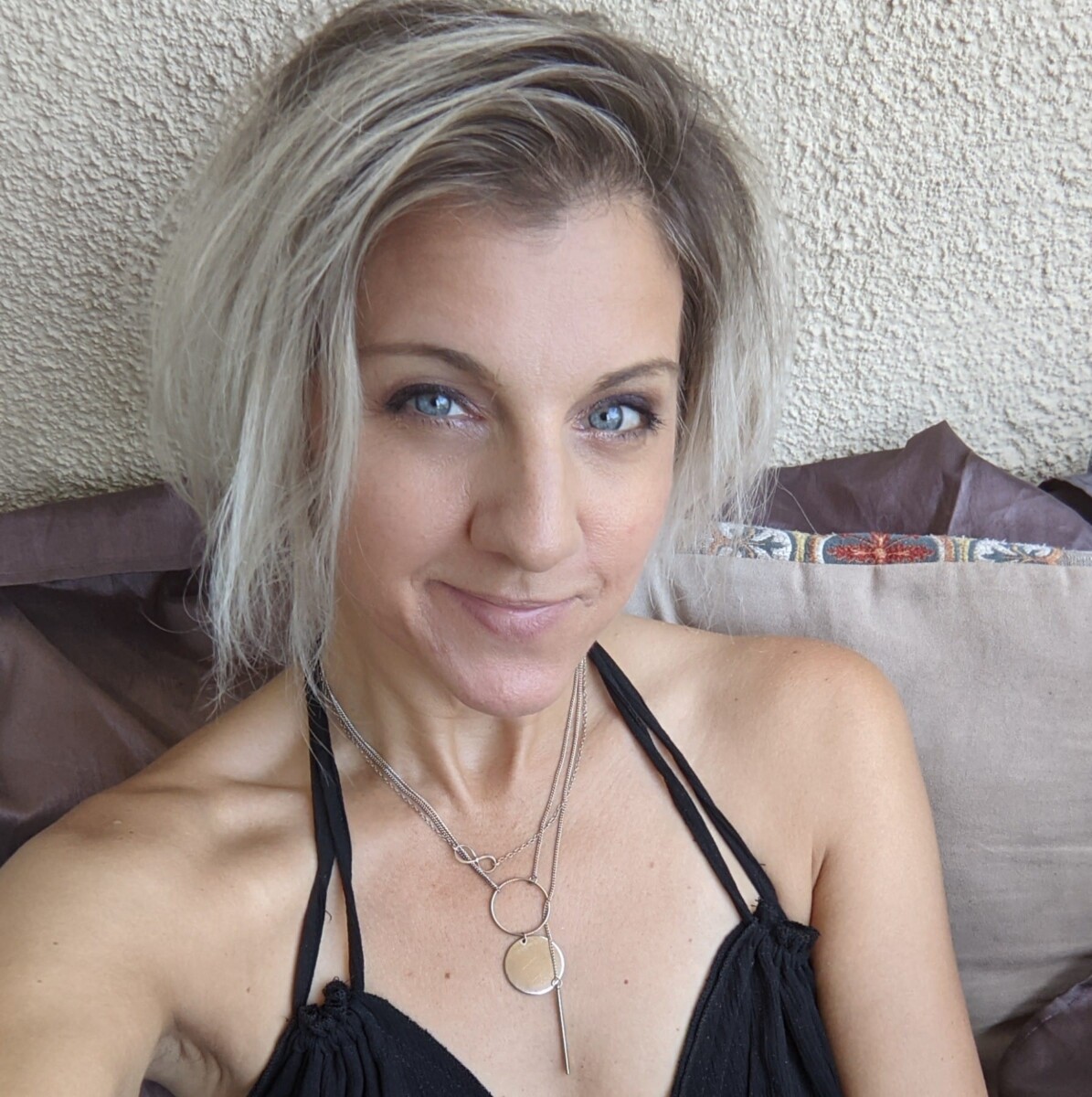
Wendy Perkins Shoef - The Success Doula
What happens when your nervous system is dysregulated — and why microdosing alone won’t fix it
Let’s look at how Wendy describes system dysregulation in the ADHD context:
- She tracks the stress response biology: flight → fight → freeze → flop. Behaviorally: fix → fight → fawn → dissociate.
- In many ADHD clients she works with, the dominant modes are freeze or flop (low energy, overwhelmed, dissociative), rather than simply “hyperactivity.”
- Example: A person with “big project to do” ends up cleaning the kitchen instead — it’s not laziness, it’s that biology lacks energy to face the main task → that’s productive procrastination.
- If you microdose under these conditions—without dealing with foundational factors like sleep, nutrition, stress, environment—you may amplify something unhelpful (e.g., anxiety or distraction) rather than improve focus.
So the takeaway: You must build the system first. Ensure your baseline capacity (sleep, nervous‑system regulation, intention) is in place, then consider microdosing as a strategic tool.
What should someone with ADHD focus on before microdosing?
What’s the first thing to look at?
Wendy’s top priority: sleep.
She emphazises that:
- Sleep and ADHD go hand in hand — people with ADHD frequently struggle with sleep or its quality, yet that is a foundational lever.
- If you’re already battling sleep disruption, no amount of microdosing is going to compensate for that.
- Once sleep improves: you’ll notice better decision‑making, increased energy, fewer missed supplements, clearer focus — the basics fall into place.
Key takeaways for practitioners and curious clients
- ADHD is less about “lack of focus” and more about a dysregulated nervous system manifesting in unique ways.
- Microdosing is not a magic bullet: it requires context, goal‑setting, intention, and a baseline of system regulation.
- Before exploring microdosing, ensure foundational support: quality sleep, a stable environment, a clear intention, and awareness of what you need.
- Choose the substance and dose thoughtfully: different psychedelics act differently (e.g., one may amplify emotions, another may increase alertness) — so align with your goal, set, and setting.
- If you feel nothing from a microdose and expect wild results, you’re likely misaligning your goal or dose. True microdosing often works quietly.
- Always recognise when you’re outside your lane: ADHD with co‑occurring trauma, severe dysregulation, unstable environment — these are reasons to bring in professional support and not rely on DIY protocols alone.
Final thoughts & call‑to‑action
If you came here curious about microdosing for ADHD, I hope this recap provides structure rather than hype. The real work is not just “take this and you’ll fix focus”; it’s “build your system, clarify your goal, stabilize your biology, then use microdosing intentionally.”
Are you working with ADHD or helping someone who is? Have you tried microdosing, or are you just exploring? Drop a comment below — I’d love to hear your biggest takeaway from this post or any questions that remain.
Wendy Perkins Shoef
Gallery
Recent Articles

Loading...