

Why Psilocybin Medicine Is Not One Size Fits All
- Rhonda DeSantis, Founder & CEO, Psylutions
Everyone’s talking about the healing potential of psychedelic therapies. Almost no one is talking about what happens after approval.
Introduction
There’s a lot of excitement around emerging mental health treatments like MDMA and psilocybin. And for good reason.
But behind the scenes, there’s a complex system that determines whether these therapies ever reach real people.
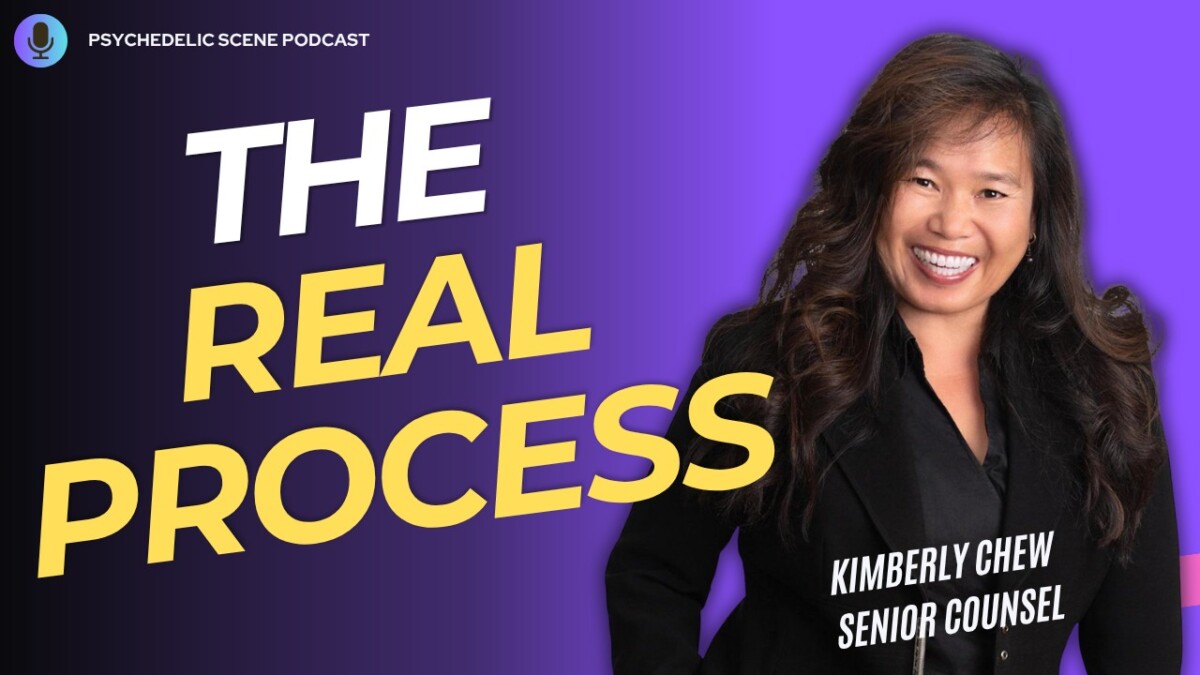
In this episode, I sat down with healthcare attorney Kimberly Chew to walk through what actually happens from research to real-world access.
This is the part most people never see.
How Does a Therapy Get Approved?
Before anything reaches patients, it goes through a structured process with the Food and Drug Administration.
Phase 1: Safety
Small group. Healthy participants.
Main goal: Is it safe?
Phase 2: Early Effectiveness
Larger group with the condition (like PTSD).
Goal: Does it show signs of helping?
Phase 3: Large-Scale Testing
Much bigger, more controlled trials.
This is where safety and effectiveness must be proven clearly.
“This is where you get the real proof of safety and efficacy.”
Traditional drug trials rely on placebo comparisons.
But here’s the challenge:
“People can tell if they’re on the treatment.”
That makes it harder to remove bias from the data. Researchers are now adjusting how trials are designed to account for this.
What Is a REMS Program?
After approval, some treatments require a Risk Evaluation and Mitigation Strategy (REMS).
This is where things get real.
A REMS can include:
“It’s a program that puts guardrails around how the treatment is used.”
This is why these therapies won’t be casually available.
Why Does It Cost So Much?
This is one of the biggest misunderstandings.
You’re not just paying for a substance.
You’re paying for:
“When you look at the infrastructure, the cost starts to make more sense.”

It depends how you compare it.
Short-term cost:
Long-term comparison:
“You’re comparing a few sessions to potentially years of treatment.”
Not immediately.
Even with billing codes in place:
Group formats may be explored, but:
“Insurance will likely want to see strong clinical trial data first.”
Substances like MDMA are currently restricted.
After approval:
These therapies are promising.
But they are not magic solutions.
“I wasn’t completely healed… but I was no longer in crisis.”
That’s a meaningful shift.