Podcast: Sophia Ellowen
Podcast: Sophia Ellowen
What Most People Get Wrong About Psilocybin Experiences (And Why It Matters)
Most people think the experience is the work. It’s not. It’s about 20%.
Why doesn’t the experience “stick” for some people?
You hear the headlines.
One experience. Big results.
But what you don’t hear is everything that surrounds it.
Preparation. Stability. Environment. Integration.
Without those, the experience often fades. Not because it “didn’t work,” but because it wasn’t supported properly.
What actually makes the difference?
According to facilitator Sophia Ellowen, it comes down to one thing:
Structure around the experience.
That includes:
- Mental and physical stability before
- Clear intention going in
- Support during
- Active integration afterward
The experience itself? That’s just one piece.
Is psilocybin a solution or a tool?
A lot of people approach it like a fix.
It’s not.
A better way to think about it:
“Mushrooms are the paintbrush. You still have to paint the picture of your life.”
That means:
- You still need habits
- You still need awareness
- You still need follow-through
The experience can open something. But it doesn’t build your life for you.
Why preparation matters more than people think
One of the biggest misconceptions is that preparation is optional.
It’s not.
Sophia screens for:
- Mental stability (not in crisis)
- Physical stability (substances, health)
- Readiness to engage in the full process
In some cases, that means waiting months.
That’s not a delay.
That’s what makes the experience safer and more effective.
Why sourcing matters (more than most people realize)
This is rarely talked about.
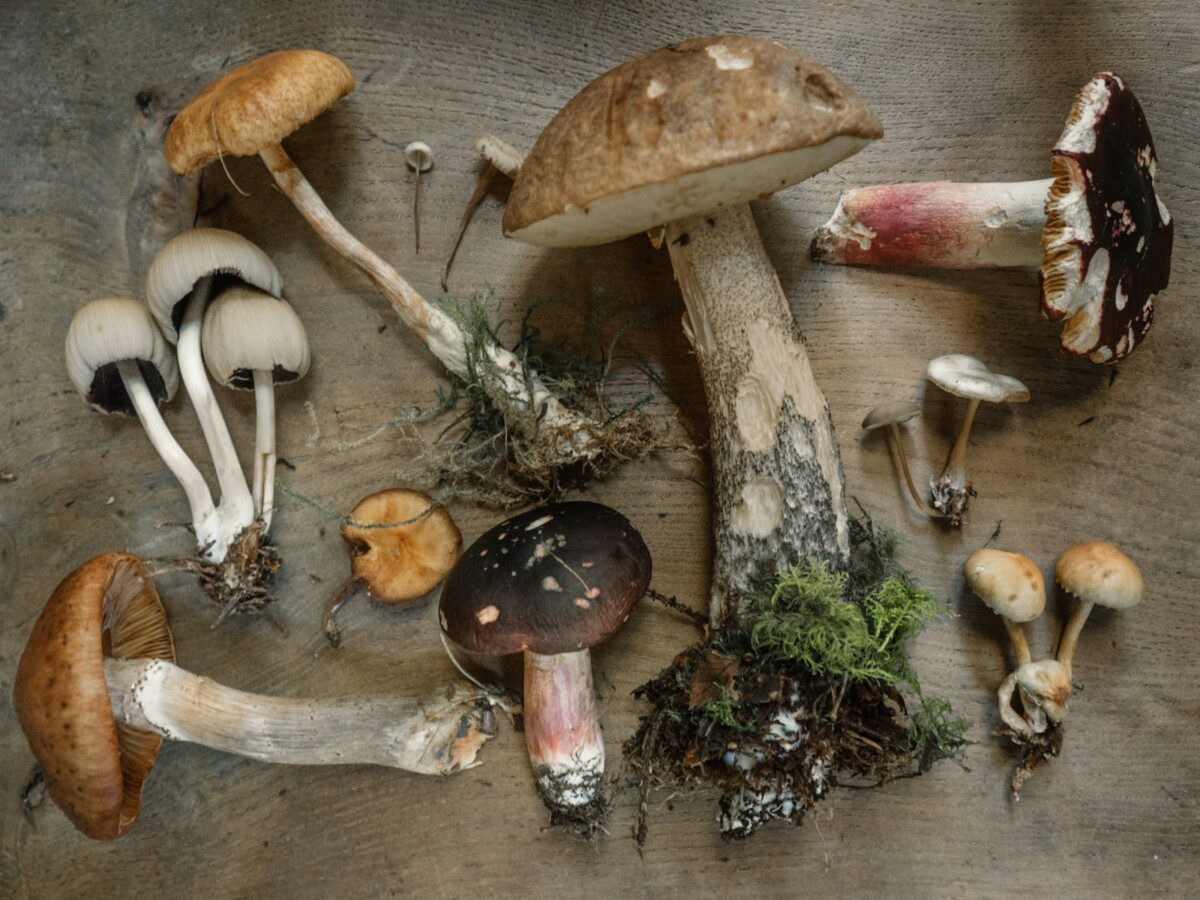
But not all mushrooms are the same.
Differences include:
- Strain
- Potency
- Growing conditions
- Timing of harvest
If those variables aren’t controlled, the experience can be inconsistent or underwhelming.
That’s why serious facilitators stay close to the source.
Why integration is where the real work happens
After the experience, there’s a window where the brain is more flexible.
What happens next matters.
This is where:
- Patterns can shift
- Reactions can change
- New behaviors can stick
But only if you actively engage.
Otherwise, it’s easy to fall back into old patterns.
Why one-on-one matters
Group settings can work for some people.
But for deeper work, one-on-one creates:
- Safety
- Personal attention
- Freedom to fully express
You’re not managing other people’s energy.
You’re focused on your own process.
Can you do this on your own?
Yes. But with conditions.
You need:
- Strong self-accountability
- Willingness to research
- Ability to follow through afterward
For many people, support makes that easier.
Think of it like a trainer. You can do it alone. Most people don’t.
Gallery
Recent Articles

Loading...