Podcast: Sabba Nazhand
Podcast: Sabba Nazhand
The Missing Tool After a Breakthrough: How AI Is Changing Integration for Practitioners
What if your therapist knew what you were struggling with… before your next session?
Introduction
There’s a massive gap in this space that almost no one is solving.
People have powerful experiences… and then go home with:
- no structure
- no continuity
- no real support between sessions
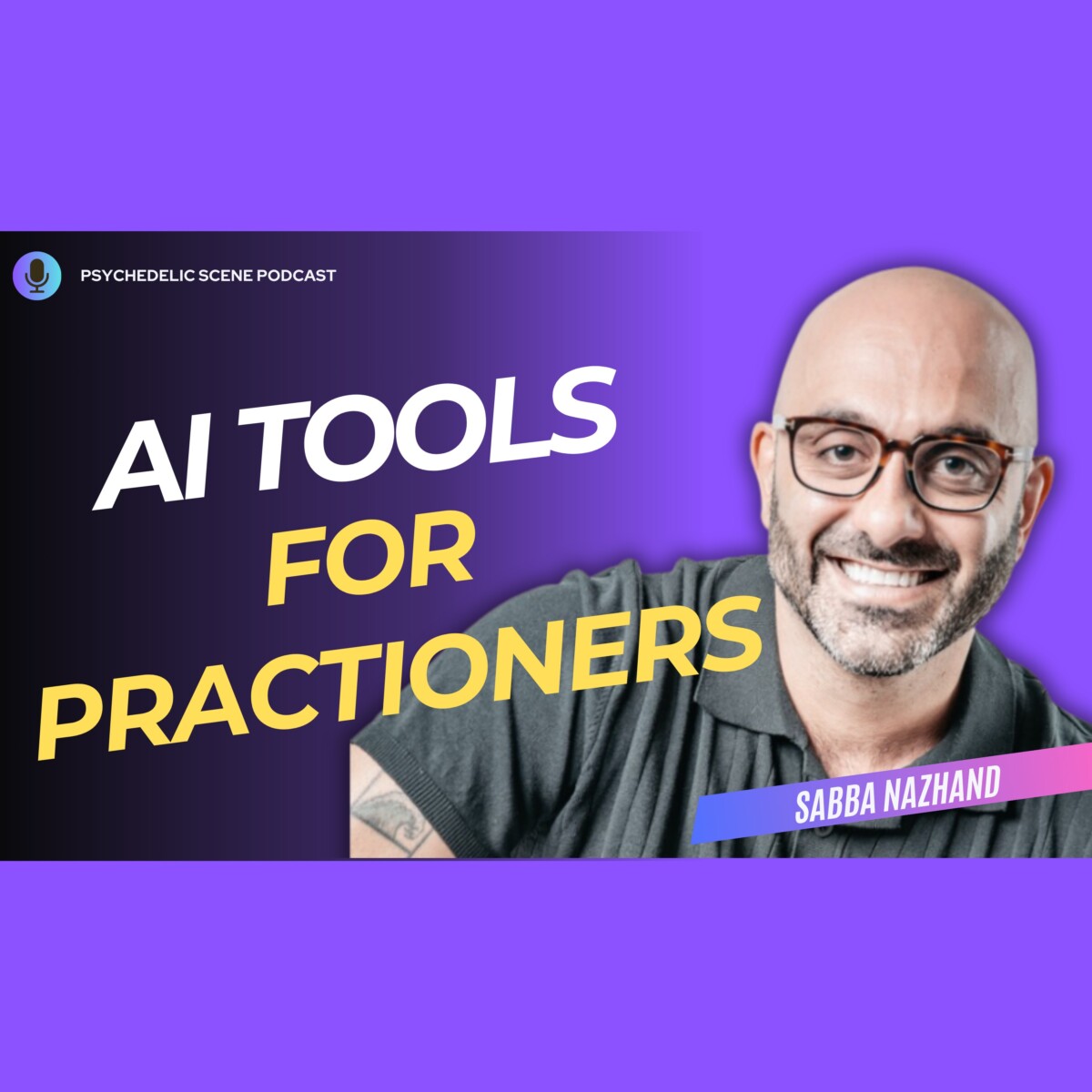
In this episode, I sit down with Sabba Nazhand, who’s building an AI-powered platform designed specifically to solve that problem — not by replacing practitioners, but by making them better at what they do.
The Core Problem: No Support Between Sessions
Right now, the model looks like this:
Session → go home → try to “integrate” → come back next week
And in between?
Nothing.
“People are going through these experiences… and then they go back home and there’s no support.”
That gap is where people:
- lose insights
- feel overwhelmed
- or stall out completely
Why Practitioners Are Struggling
This part is important.
Most practitioners:
- mean well
- care deeply
- but don’t have tools for continuity
They rely on:
- weekly calls
- notes
- maybe a PDF
“They didn’t know how to continue… it was a different skill set.”
And honestly, that’s the truth.
Facilitating an experience ≠ supporting integration long-term
What Sabba Is Building (This Is the Actual Shift)
This is where it gets interesting.
Sabba’s platform is essentially:
👉 An integration operating system for practitioners
What it does:
- Tracks the client between sessions
Instead of guessing what happened during the week…
The client:
- journals
- speaks into the app
- reflects in real time
And that data doesn’t just sit there.
- Uses AI to organize and interpret it
The system analyzes:
- emotional tone
- patterns
- recurring themes
Not to diagnose.
Not to replace the practitioner.
But to surface what actually matters.
- Gives practitioners real visibility
So instead of starting a session like this:
“How was your week?”
They can say:
“I noticed this came up for you — let’s go there.”
“Now the practitioner has insights into their client’s mind before the session.”
That’s a completely different level of care.
- Reduces the burden on the client
Clients don’t have to:
- remember everything
- organize their thoughts
- retell their entire week
They just show up.
This Is the Big Idea: Better Practitioners, Not Replaced Practitioners
This isn’t about AI taking over.
It’s about:
👉 Making practitioners sharper
👉 Giving them better data
👉 Helping them focus where it matters
You said it perfectly in the episode:
It’s basically a cheat sheet.
Not in a bad way.
In a “you actually know what’s going on now” way.
Built-In Safety (This Matters)
Because this is sensitive work, the platform includes:
- Encrypted, HIPAA-aligned data
- Guardrails (no harmful suggestions or reinforcement loops)
- Alerts for serious emotional distress
If someone flags something like:
“I don’t want to be here anymore”
The system:
- flags the practitioner
- escalates appropriately
This is not casual journaling.
This is structured support.
What Makes This Different From Just Using ChatGPT
This was a big point.
Generic AI tools:
- mirror your emotions
- agree with you
- can accidentally reinforce negative beliefs
Example:
“I feel worthless” → “I’m sorry you feel worthless”
That’s dangerous.
Sabba’s system is trained to:
- reflect without reinforcing
- guide without advising
- escalate when needed
The Bigger Vision (And It’s Big)
This isn’t just about one tool.
He’s aiming for:
- Outcome tracking
Actually measuring:
- what works
- for who
- under what conditions
That’s huge for the future of this field.
- Accessibility
Right now:
- the people who need this most can’t access it
- cost and legality are barriers
The long-term goal is to:
- expand access
- reduce cost
- connect more people to support
Sabba Nazhand is an entrepreneur and the CEO of Safar.
Gallery
Recent Articles
Artist Spotlight: Ivan Ivanov
•
October 8, 2026

Podcast: Sophia Ellowen
•
October 7, 2026
Loading...
2 thoughts on “Podcast: Sabba Nazhand”
The psychedelic scene sounds intriguing. What inspired you to explore that theme in the podcast?
That is what Sabba specializes in.