Vinyl Relics: Gandalf
Vinyl Relics: Gandalf
A Psychedelic Dream Lost in Time
In what may be the most famous scene in the Lord of the Rings movies, the wizard Gandalf defiantly slams his staff into the ground and states, in no uncertain terms, “You shall not pass!”
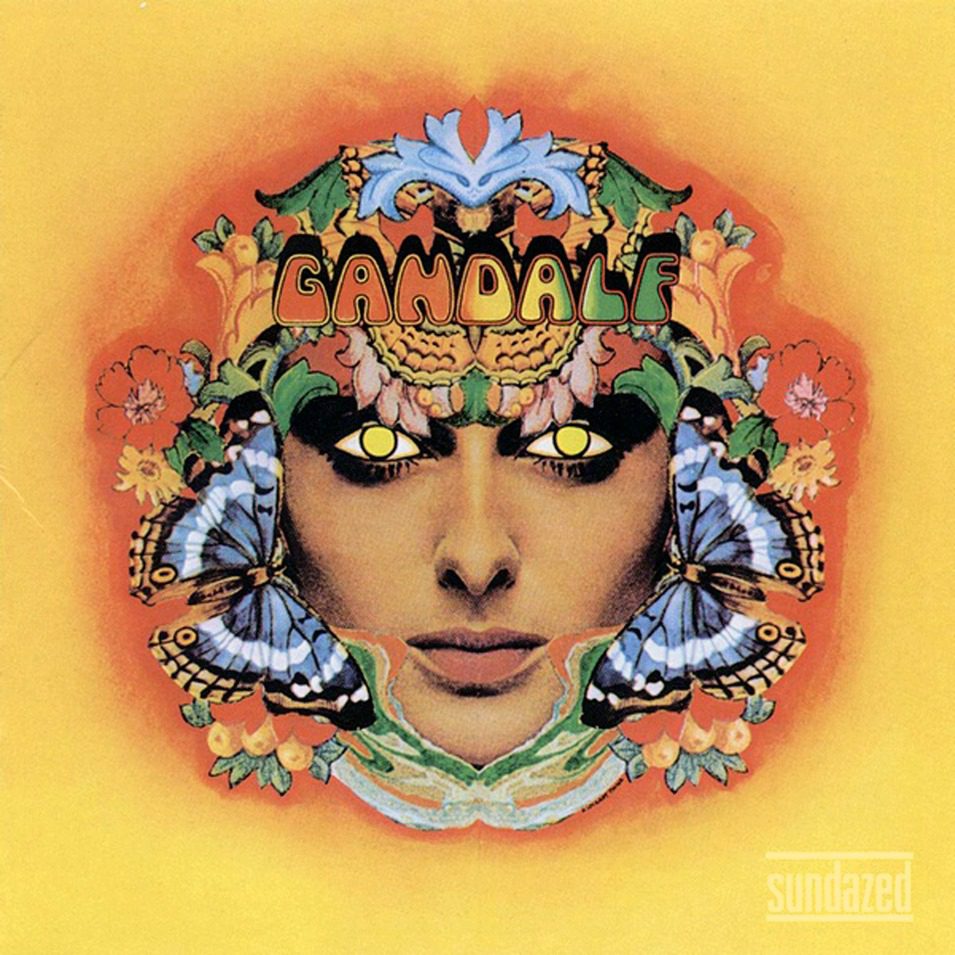
While Gandalf’s instructions were aimed at a massive demon from the ancient world, in slightly more recent times, his words may have been applied to record buyers looking for a copy of the self-titled Gandalf album in 1969.
See, the problem was that Capitol shipped the record with the wrong LP in the sleeve. It was recalled and re-shipped, but all momentum had been lost. The band itself was defunct by that time, so there was little promotion.
Their story began when Peter Sando, a guitarist, met bassist Bob Muller in high school detention. Peter’s crime? His hair was too long. Peter said, “I got suspended for having long hair. I had taps on my shoes. You know, terrible offenses!”
I had the pleasure of interviewing Sando, guitarist and vocalist for Gandalf, to discuss the origins of the band and the stories behind each track on their now-legendary album.”
After serving their time in detention, Peter agreed to join Bob’s band, at the time called The Thunderbirds, which decided to change their name to The Rahgoos. Initially, it was going to be The Ragus, but Peter insisted that if they were going to name themselves after a spaghetti sauce, they should at least spell it differently. “Bob said, ‘My mother has this sauce, Ragu. Why don’t we call ourselves The Ragus?’, and I insisted that we spell it a little differently.”
With the typical influences of the day—early rock and roll, R&B, all mixed with British Invasion sounds, The Rahgoos played the New York circuit, gaining a small following. Over time, they honed their chops and felt they were ready to hit the recording studio. The plan was to cut two singles—four songs in total. One problem: they only had three. Solution? Write one in the car on the way to the studio! Hence, the world was blessed with “Do the Rahgoo.” Maybe not the most brilliant song ever, but hey, how many songs have you written in a car? The self-released singles didn’t attract much attention, but the band did gain some valuable studio experience. And “Do the Rahgoo” managed to land on a Sundazed compilation titled Garage Beat ‘66.
At a gig at The Nightowl Cafe in Greenwich Village, they ran into the songwriters Gary Bonner and Alan Gordon. Those cats found success writing a few popular tunes, most notably “Happy Together,” by The Turtles. They liked The Rahgoos sound and helped them get a contract to record their sole album.
I’m usually not a huge fan of albums that consist primarily of cover tunes. But there are always exceptions, and Gandalf’s certainly fits into that category. Yes, eight of the ten tracks are covers, but they’re not your typical, run-of-the-mill tracks every band of the day seemed to take a stab at. You won’t find the zillionth rendition of “Hey Joe” or “Walkin’ the Dog” here. These are songs most music fans wouldn’t even know were covers. Additionally, they do an incredible job adapting the arrangements to fit their psychedelic style. The two originals on this platter are so good that it makes you wonder why they didn’t explore this direction further. Sando explained, “I was just starting. The only strong ones I had were the two for the album.”
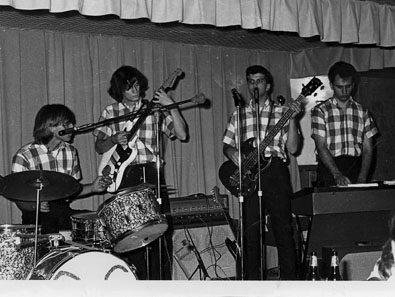
The early Rahgoos
Highlights are plentiful as the album drifts into dreamlike, psychedelic swirls drenched in a very late-’60s-style production. “Golden Earrings,” “Nature Boy,” “Tiffany Rings,” and, especially, the original cut, “I Watch the Moon,” are pure psychedelic ecstasy. ‘“I Watch the Moon” is pretty popular’, said Sando, “We get a lot of airplay on college stations.”
When the band finished recording, they decided it should be released under a different name. The record company initially suggested The Knockrockers, but they hated it. Instead, they settled on “Gandalf & The Wizards”. They played a few shows here and there but eventually decided to part ways.
Meanwhile, their recordings sat in limbo. It took about a year and a half, but finally the album was released. The band had no say in the mixing process, no input on the cover design, and was just as surprised as everyone when the band name was shortened to Gandalf. “We weren’t involved,” Peter said. “We did our studio thing and didn’t hear anything for a while.”
The album received a little airplay from WNEB FM, the premier underground station in NYC at the time but, in general, due to distribution issues and lack of promotion, it quickly disappeared from the record shelves.
Decades later, Peter gets a call from a friend: “I think they just re-released your record!” As is often the case in these stories, it took time, but eventually Gandalf found its audience. Psych collectors sang its praises, and word got out.
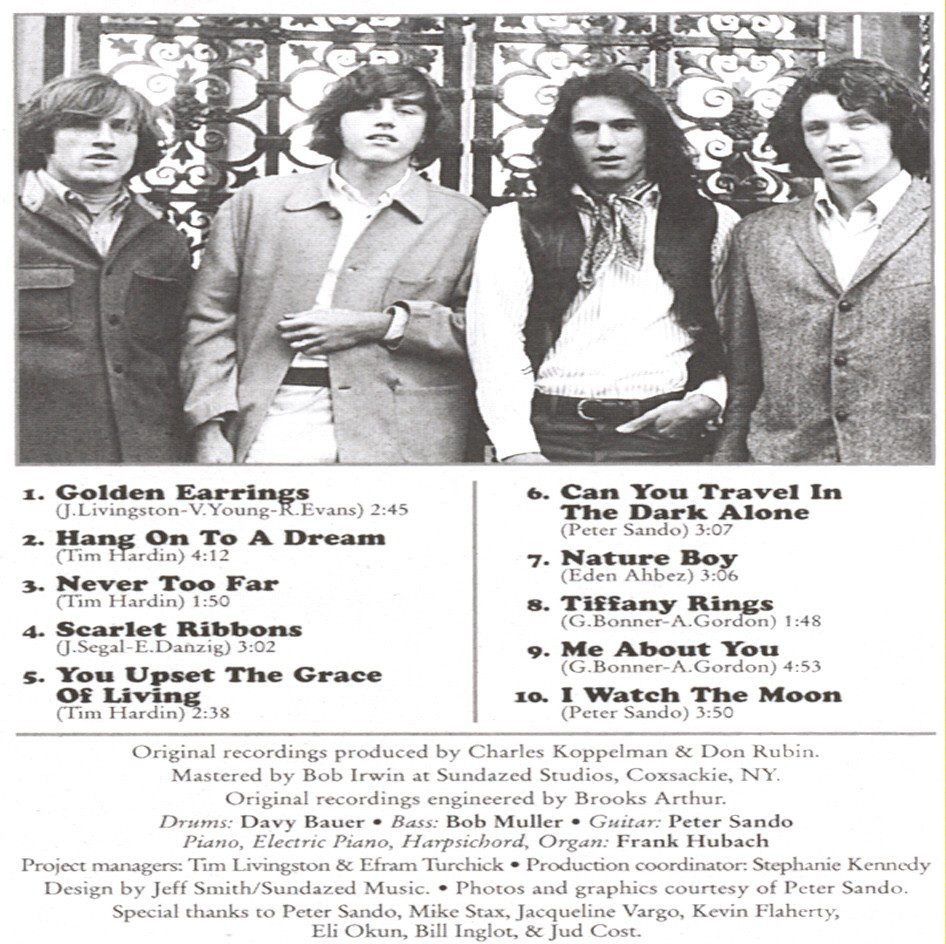
With the renewed interest, Peter set up a website for all things Gandalf and was surprised by the response. This led to a second Gandalf album, appropriately titled Gandalf 2, released in 2007 on the Sundazed label, that cobbled together some random outtakes and live stuff. Peter worked on a couple of solo albums, one in 1998 and one in 2011. He revived the Gandalf name in 2022 for Tears of Ages, which includes “You’re Free,” a Bonner/Gordon track he tried recording in the ’60s when he was part of an offshoot project called The Barracuda, recorded around the same time as Gandalf. The Barracuda had a mildly popular regional hit called “Dance at St. Francis,” and “You’re Free” was intended to be the follow-up. However, it was written in a key that Peter couldn’t sing, so it never got recorded. He revived the track and, with modern technology, was able to drop the track down four half-steps without deteriorating the audio. “I could finally reclaim that session,” Peter said. “I was able to re-create the original song.”
The Gandalf album may not be strong enough to banish Sauron from Middle Earth, but if you’re a fan of 60’s psych albums with strong production—like Odessey and Oracle, for example—you’ll find a lot to enjoy here.
To hear Peter discuss the stories behind the songs and the full Gandalf story, then tune in, turn on, and drop by Vinyl Relics wherever you get your podcasts. We tell the full story in “epysode” 89. For more information on the band and Peter’s solo work, journey over to petersando.com.
Gallery
Recent Articles
Loading...