The Grease Ladder by Black Market Karma: Album Review
The Grease Ladder by Black Market Karma: Album Review
The black-market prince of neo-psych, Stanley Belton, returned on November 6th with the 13th album from his project, Black Market Karma: The Grease Ladder. Their last album, 2025’s Mellowmaker, was great and carried some interesting psychedelic pop sonic elements as well as what I perceive as a dash of baroque influence. With that all in mind, I wasn’t quite sure what to expect from this new record, but I was excited for it.
The rollout was structured around its two singles, “Always Faithful” and “Brother Combuster”—and they are two of the most important pieces of the record. The latter is a relaxed, floaty wah-wah extravaganza with a leading guitar riff that any psychedelic rock or sixties music aficionado will thoroughly love. The track is catchy and relatively long for a single, and for good reason: “Brother Combuster” happens to be the final song on the eleven-track LP.
I’ve always believed that releasing your closing track as a single is one of the riskiest moves in an album rollout, but I do think it pays off here. Album sequencing is very important to me, and this song being the final track of the album was the correct choice. Halfway through, the song executes an awesome tempo drop to about half-speed. The song becomes less floaty and more like “the world is dissolving around me—and I feel fine.”
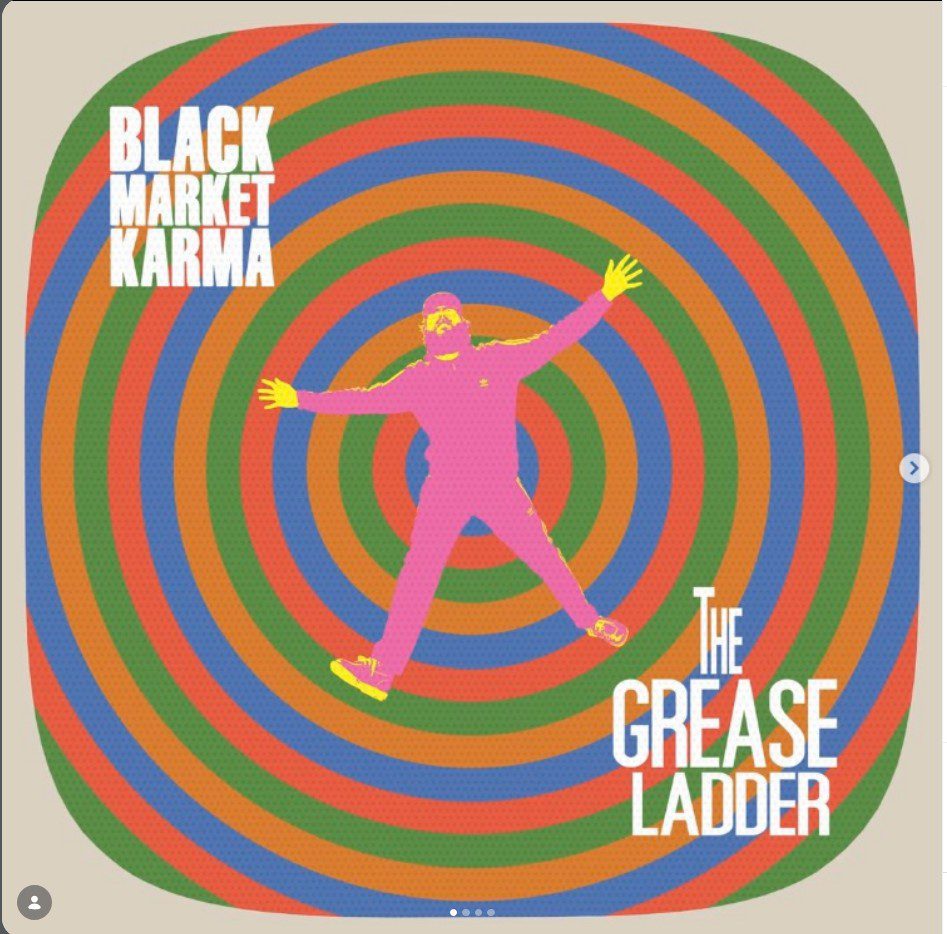
The song isn’t simply a sprawling psychedelic album closer a la “The End” by The Doors; it’s a masterclass in adopting intensely wah-wah-heavy psychedelia for modern audiences. That sounds simple enough in concept, but it’s rarely executed with such gusto. That vintage “Pictures of Matchstick Men”-like wah-wah element is actually rather present throughout the record. Most notably, it’s a strong presence on “Brain Batter,” although on that track, it sonically resembles The Hollies’ “Tomorrow When It Comes,” which imitates the wah-wah sound via phasing, more than the aforementioned Status Quo classic. This element has become strangely topical since the album’s release, with news of wah-wah pedal inventor Del Casher’s passing surfacing almost immediately afterward.
The lead single “Always Faithful” is actually the second-to-last song in the album track list and is, without a doubt, in my top ten favorite songs of the year. I am utterly obsessed with the track, a feeling that came almost instantly. The beautifully bright organ riff, rhythmic vocal delivery, guitar solos after the verses and even the way the song fades in: it feels custom-made for me. I almost feel dirty giving it its own section, because I feel like I’m biased towards this hyperspecific type of song, but what I am sure about is this: The song is, to me, as undeniably great as any song could be. If you are here, reading this right now, you are likely a fan of psychedelia. Do yourself a favor and listen to the song.

Those two closing songs are the strongest duo in the sequence, but a close second is the opening trio of “Sister Transistor,” “Time Too Little” and “Brain Batter.” This is perhaps the most blatantly “trippy” sequence on the record as well, featuring reverb-heavy, echoing guitars that sound like they’re being played on a rooftop, with an inexplicable echo of the sound returning to Earth after bouncing off the surface of the Moon. One ongoing development in the solo project’s sound worth highlighting is that Stanley’s guitar work has developed a very distinctive tone that I can pick out of a lineup. This is something that I think has become increasingly rare over the last few decades and is a testament to his musical acumen.
On the first listen of the album, I found myself thinking that I was more a fan of the previously discussed front and back sections than I was of the entire middle part. On the second listen, I quickly realized that I was just so “taken” with the bookends that I wasn’t fully appreciating the vision as a whole. Zoomed out, this is easily one of BMK’s most cohesive records to date, featuring an impressive amount of consistency that’s becoming a standout feature of the most recent albums under the moniker. By the third listen, I was so lost in the hazy atmosphere that the increasingly chameleon-like Belton was laying out that I sort of forgot I was supposed to be analyzing it as opposed to just floating through it. The album feels like a journey through a unique environment shaped by an amalgam of modern and classic psychedelia.
While I stand by my original assessment that the bookends are the strongest part of the record, I wouldn’t argue that as an objective fact, but rather as my personal preference. In truth, the LP is remarkably consistent in delivering a cohesive neo-psychedelic experience and I absolutely recommend giving it a spin.
Johnny Damron is an Ohio-based music writer and founder of Sauna Sounds, an independent outlet focused on music history, culture, and analysis. His work explores psychedelia, classic rock, and the cultural stories that surround music.
Gallery
Recent Articles

Loading...