Interference by The Oscillation: Album Review
Interference by The Oscillation: Album Review
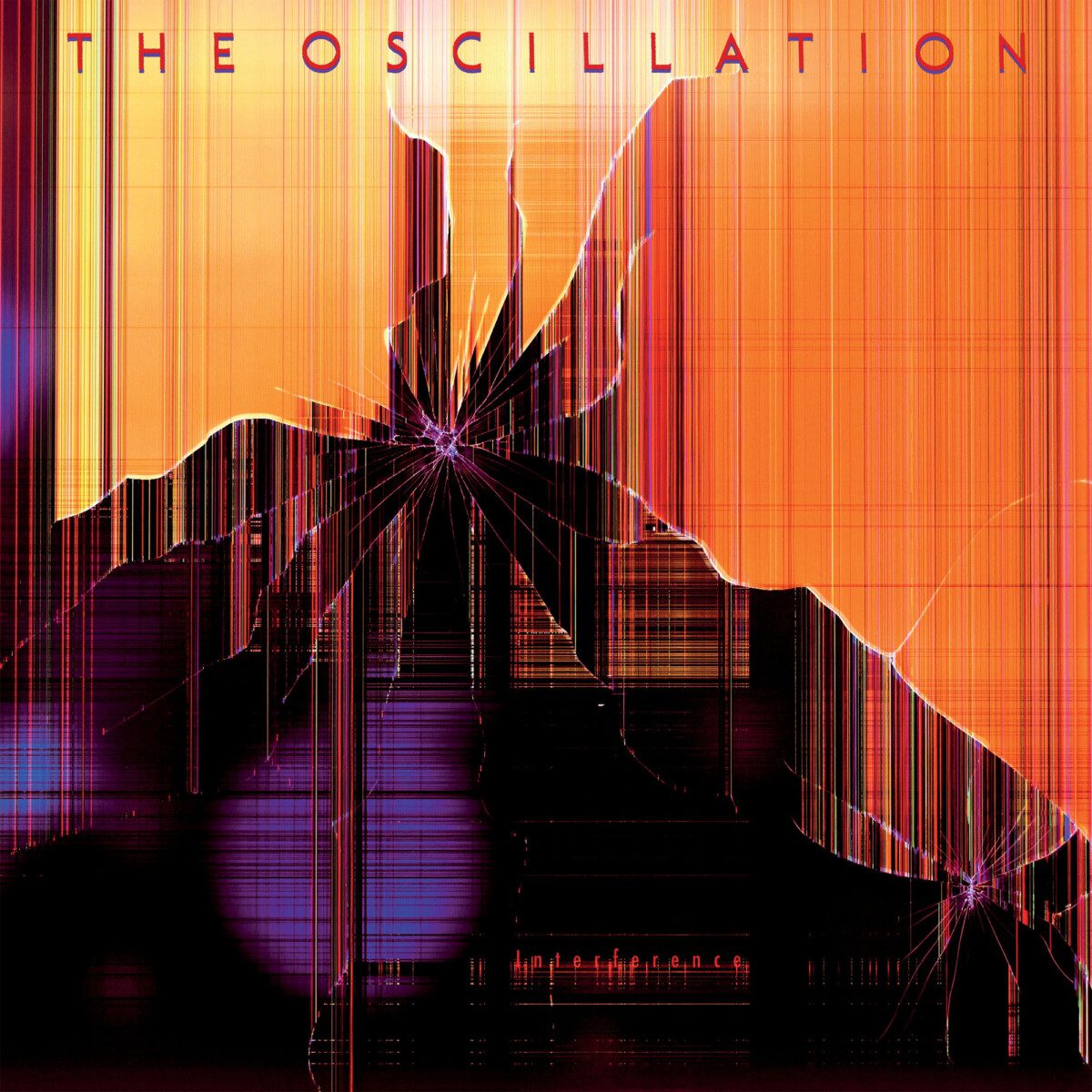
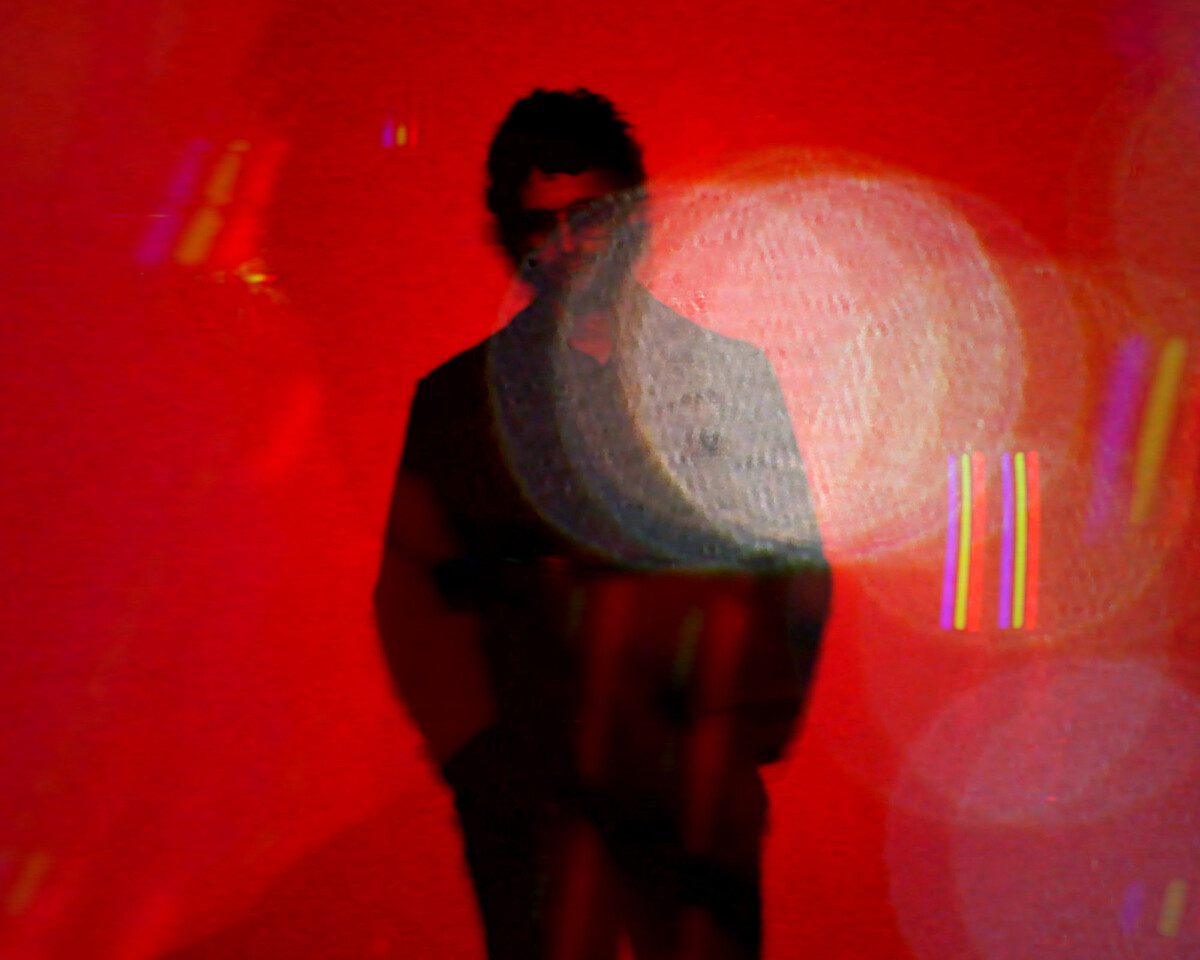
Psychedelic space rock project The Oscillation’s eleventh studio album Interference is an expansive and kaleidoscopically cosmic affair. For the uninitiated, The Oscillation is the solo studio project of London-born, Czechia-based psychedelia veteran Demian Castellanos, though this LP also features session drummer and past collaborator Tim Weller. While this is not The Oscillation’s first record since their live bassist—and, in many ways, Demian’s sonic consigliere—Tom Relleen’s passing, it is their first Fuzz Club release since he died tragically in 2020 at the age of 42. Even after all these years, this loss looms over the mood of the LP—or perhaps this is just the context to the album speaking to me. In either case, the rhythm section takes on a life of its own from the opening moments and maintains its ever-present groove until the end.
Within psychedelia and its closest relatives on the family tree of music, The Oscillation has found a fascinating intersection of a few (often widely separated) territories and parked their spaceship right on their Carpenter’s Point-like quadrifinium of classic psychedelic rock, shoegaze, desert rock and space rock. This unique combination creates an engulfing wall of sound that almost feels impossible on an album that sounds as if it’s being performed within the vacuum of space, but this is the brilliance of Interference.
Demian’s shoegaze-coded vocals feel as if they are stranded among the atmosphere and instrumentation of the tracks. They are equal parts airy and dense, like a thick fog rolling into a lakeside town and slowly settling upon the inhabitants. The reverb-drenched and delay-heavy vocal mix is pleasant to the ear and, combined with the Hendrix-echoing guitars, warps the mind. Like most people, I’m traditionally a vocals-first listener and prefer my music to be around 50% vocals, but this LP wasn’t offering that up—and it’s all the better for it. Demian knows when to sing and when to let the instruments do the talking. For example, the beautiful and shockingly accessible “Infinite Plane” is entirely instrumental. Many years ago, this may have been a lackluster feature for younger audiences, but Gen Z has embraced a music culture increasingly centered around “vibe” and atmosphere. In 2026, I believe this to be the right choice for the art and for commerciality. It’s worth mentioning that the Lorena Quintanilla feature on “La Alusión” is an album highlight, providing vocal variation that gives the track a unique identity.
Optimized for lysergically powered consumption, the LP uses droning synths, guitar work—both forward and backward—and endless oscillating effects to formulate an atmosphere that really earns the project its name. The album’s instrumentation feels as if it has one foot in the present and one in the more effect-heavy psychedelic rock of the sixties. This is most apparent on “Isolation Freeway,” wherein the first minute and a half consists of guitar work and effects that echo “Tomorrow Never Knows” and “Are You Experienced.” I wish there were more classic psychedelic organ-like elements like those on the excellent album-opener “Bring It On,” but this comes down to personal preference—the LP doesn’t need them.
Then there’s my highlight of the album: Tim Weller’s drumming. I described the rhythm section of the record to my wife as “desert rock, but the desert is Mars” and I stand by this description. My favorite moments come when—after the atmosphere is established through dramatic soundscapes—the bright and groovy drums drop into the mix, seemingly out of nowhere.
Behind them, beautiful basslines anchor many of the album’s arrangements. Once Tim finds his pocket, the entire song locks into place, the drumming grounding all that atmosphere in something solid and structured. Many albums conjure a mental image of falling through space and time, but not many can find a way to convey falling through space and time at a metronomic pace.
Interestingly, while everything I’ve said remains true for the album as a whole, there is something inherently disjointed about the LP. Each individual song feels like its own occurrence rather than part of the same continuous freefall. Each track ends like the culmination of an odyssey or roller coaster ride. Then the next song begins and, as the drums find their pocket once again, I feel an overwhelming sense of “here we go again”—rinse and repeat. The best example is my favorite track, “Stasis,” which feels so intensely self-contained that I could see it being its own release. Every time I listen to it, I pick up on something I never noticed—a hallmark of a well-constructed album by my parameters.
Overall, I believe Interference is a worthwhile listen and certainly the most spacey of the psychedelic albums that I have heard this year. If you are a listener who appreciates atmosphere or prioritizes “vibe,” this is a must-hear album of 2026.
Johnny Damron is an Ohio-based music writer and founder of Sauna Sounds, an independent outlet focused on music history, culture, and analysis. His work explores psychedelia, classic rock, and the cultural stories that surround music.
Gallery
Recent Articles

Loading...