Heavy Smoke by The Spyrals: Album Review
Heavy Smoke by The Spyrals: Album Review
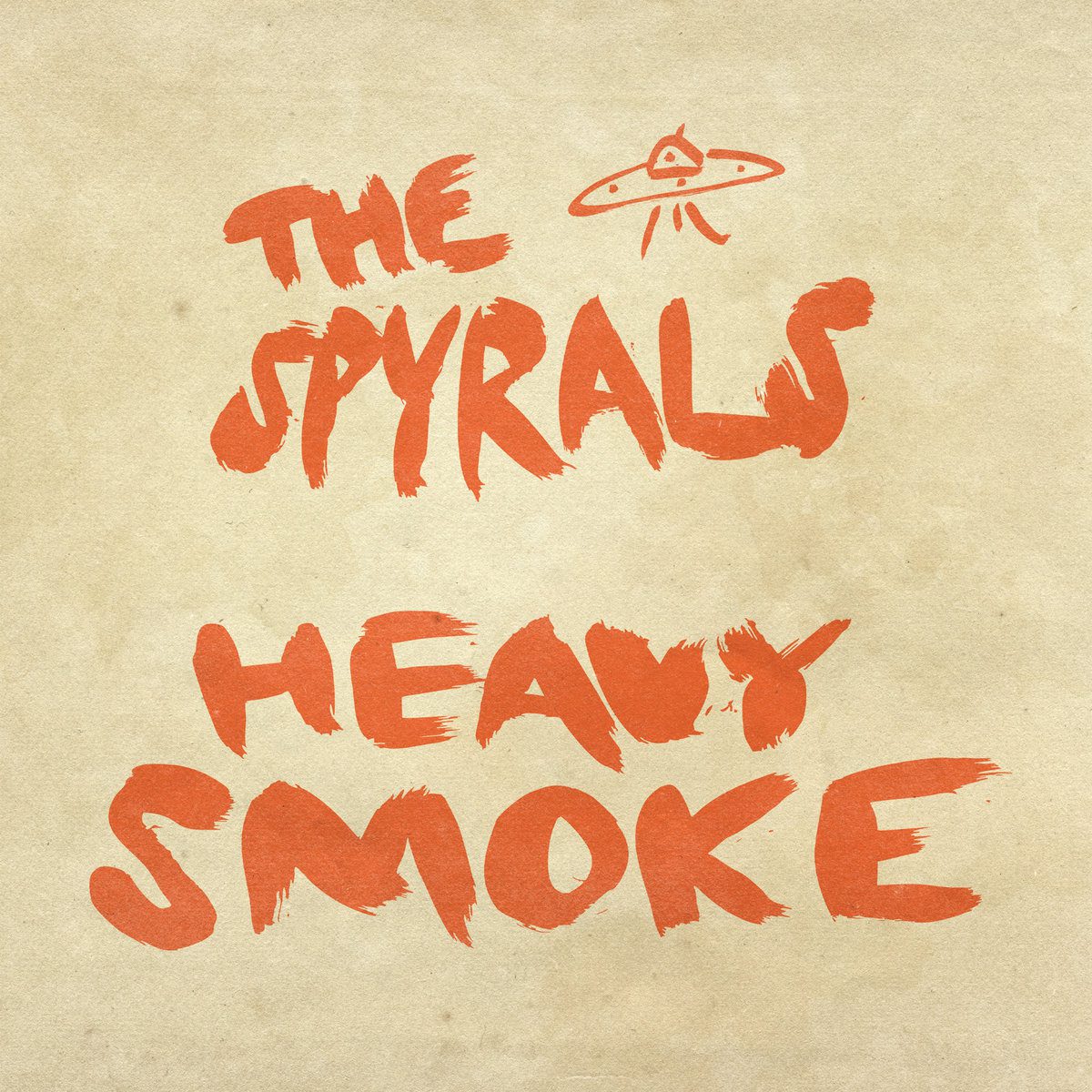
Psychedelic-garage rock veterans The Spyrals have returned with Heavy Smoke. The LP is their first since 2024’s Retrograde and a worthwhile addition to their canon.
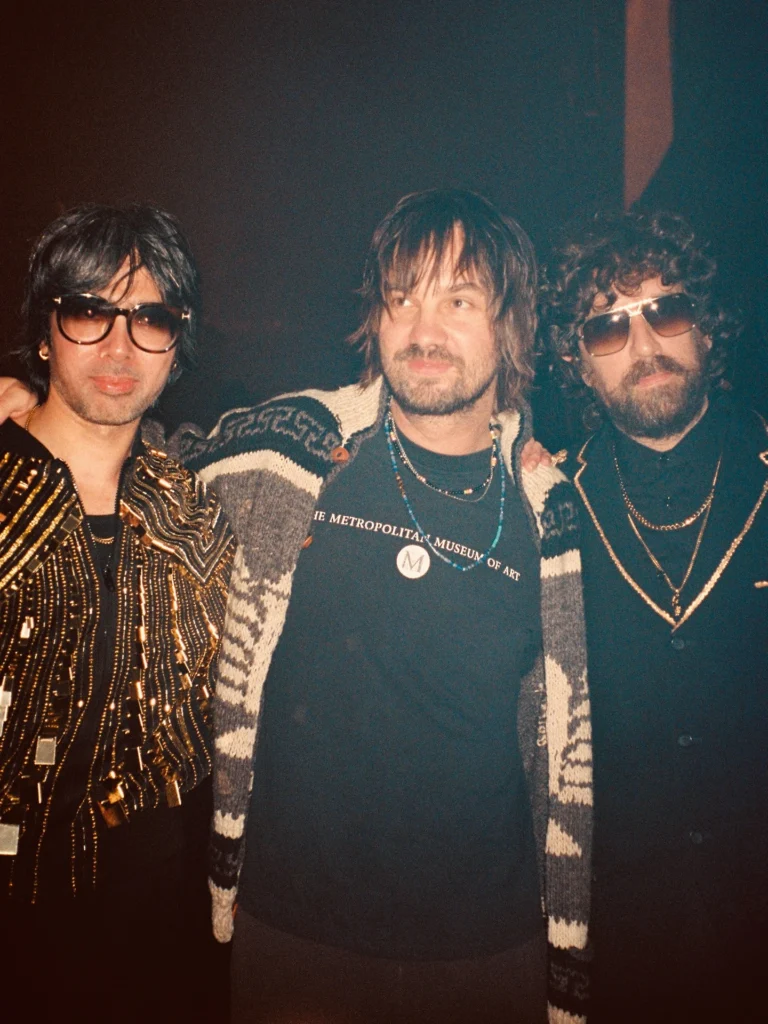
I’m a big fan of the secondary vocalist position—especially when the second singer has a voice different enough to create a natural dichotomy, most apparent in bands with traditionally masculine and feminine vocalists. Shannon and the Clams, Jefferson Airplane, and The United States of America all fit this model, creating a synthesis that typically can’t be achieved with two singers of the same gender with traditional voices. The Spyrals have this dynamic between the scrappily charming vocals of frontman Jeff Lewis and those of their newest member, Georgia Feroce, a massive presence and triple threat (bassist/keyboardist/vocalist) who provides something the band’s earlier work—excellent as it is—doesn’t have. When they harmonize over choruses, it’s like the garage rock version of a seraphic hymn—grungy, DIY-feeling and unapologetically human.
This human-made element expands upon The Spyrals’ recent trend of studio recordings carrying the energy of a live performance. It is not what most would consider straightforward psychedelia—sans the very Nuggets-coded lead single, “All In My Mind”—but it certainly doesn’t suffer for it, leaning far more into blues rock and boogie-woogie than psychedelia. “Keep Moving All Night Long” best embodies this: excellent dual vocals on the hook, a blues rock sensibility throughout and the fuzz, of course. The album features fuzz from top to bottom—as one would hope from a Fuzz Club release—but “Keep Moving” walks a line between two extremes of fuzzy distortion: blown-out and melodic. Its vibrant, heavy, almost velcro-like fuzz brings to mind two very important songs: “Don’t Worry” by country icon Marty Robbins—the recording that inspired the creation of the original fuzzbox—and the wildly unique “Icky Thump” by The White Stripes.
Sonically, the album has many elements, but none more prominent than The Rolling Stones’ blend of boogie-woogie, blues and garage rock. However, this LP shares more DNA with the garage rock revival of the early aughts than the original sixties wave. When searching for musical comparisons, I found myself returning to The White Stripes (or Jack White) more than any other act, particularly on the impressive “Always Around,” which almost feels like it could be a cover of a Stripes song from Elephant. I mean that as a compliment: I could count on one hand the artists who have come this close to matching Elephant without sounding like they’re copying White to the point of plagiarism.

As for the Stones comparison, it’s not simply about performing a song as they might, but rather about the small vocal inflections and delivery choices that recall Jagger’s best blues performances, such as “Gimme Shelter.” These moments are most obvious in the chorus of “Could Go Wrong,” which feels like a lost song from 1969—albeit with some modern flair. Keith Richards-esque guitar riffs also appear throughout, particularly the driving main riff of “White Lines.” The enjoyable opener “Solitude” also features a dash of Ambrose Kenny-Smith-like harmonica.
In conjunction, this fusion creates a unique listening experience the band could have ridden all the way to the end of the album, but instead, they went a far more interesting route.
“Say Alright” is a bright, heavy and relatively long—not to mention, extremely Led Zeppelin-coded—jam, with Dash Borinstein playing with a tight, John Bonham-esque intensity. About halfway through, the guitar transforms from Jimmy Page into something closer to traditional psychedelic rock, with just a dash of Dick Dale. I actually felt fairly confident this was the album’s final track on first listen. It would have made an excellent closer but thank God it didn’t end there. Otherwise, I wouldn’t have heard the massive, perception-changing psychedelic romp that is “Cold Black Leather.”
The song opened with a single keystroke, and I immediately stopped what I was doing: this one was going to be different from the rest. Borinstein goes full-on into Keith Moon’s patented “beat-the-kit-to-death” mode but maintains his precision while Lewis’s guitar creates a wall of sound out of distortion, feedback and reverb. How could you follow such a fuzzy, explosively kaleidoscopic climax? Yet “Revelation” begins to play, continuing side B’s pattern of subverting expectations.

Overall, Heavy Smoke is an enjoyable listen, and “Cold Black Leather” is among the best psychedelic rock songs of the year. The Stones-like approach to blues rock, fused with garage rock, is a natural fit that I can’t recall ever having heard done quite like this. Longtime Spyrals fans will likely be satisfied, but perhaps more interestingly, I think rock fans disenfranchised by the current state of mainstream rock music would enjoy this LP—which can, at times, feel like a throwback to a “simpler” time when rock and roll still wore its blues-influenced origins on its denim-clad sleeve.
Heavy Smoke drifts onto streaming platforms and into stores tomorrow, November 27th!
Johnny Damron is an Ohio-based music writer and founder of Sauna Sounds, an independent outlet focused on music history, culture, and analysis. His work explores psychedelia, classic rock, and the cultural stories that surround music.
Gallery
Recent Articles


Loading...