Podcast: Rhonda DeSantis
Podcast: Rhonda DeSantis
Why Different Psilocybin Strains May Matter
For years, most conversations about psilocybin focused on one thing: dosage.
But according to Colorado cultivator and facilitator Rhonda DeSantis, that’s only part of the story.
In this episode of the Psychedelic Scene Podcast, Rhonda explains how different psilocybin strains may create different types of experiences based on their unique alkaloid profiles, sometimes called the “entourage effect.”
Instead of focusing only on psilocybin itself, her company studies the broader combination of compounds naturally present in mushrooms and how those compounds may influence a person’s journey.
Some strains may feel emotionally softer.
Others may produce stronger visuals.
Some may support deep introspection while others feel more physically grounding.
The goal is not recreational intensity. It’s better therapeutic alignment.
What Is Colorado’s Regulated Psilocybin Model?
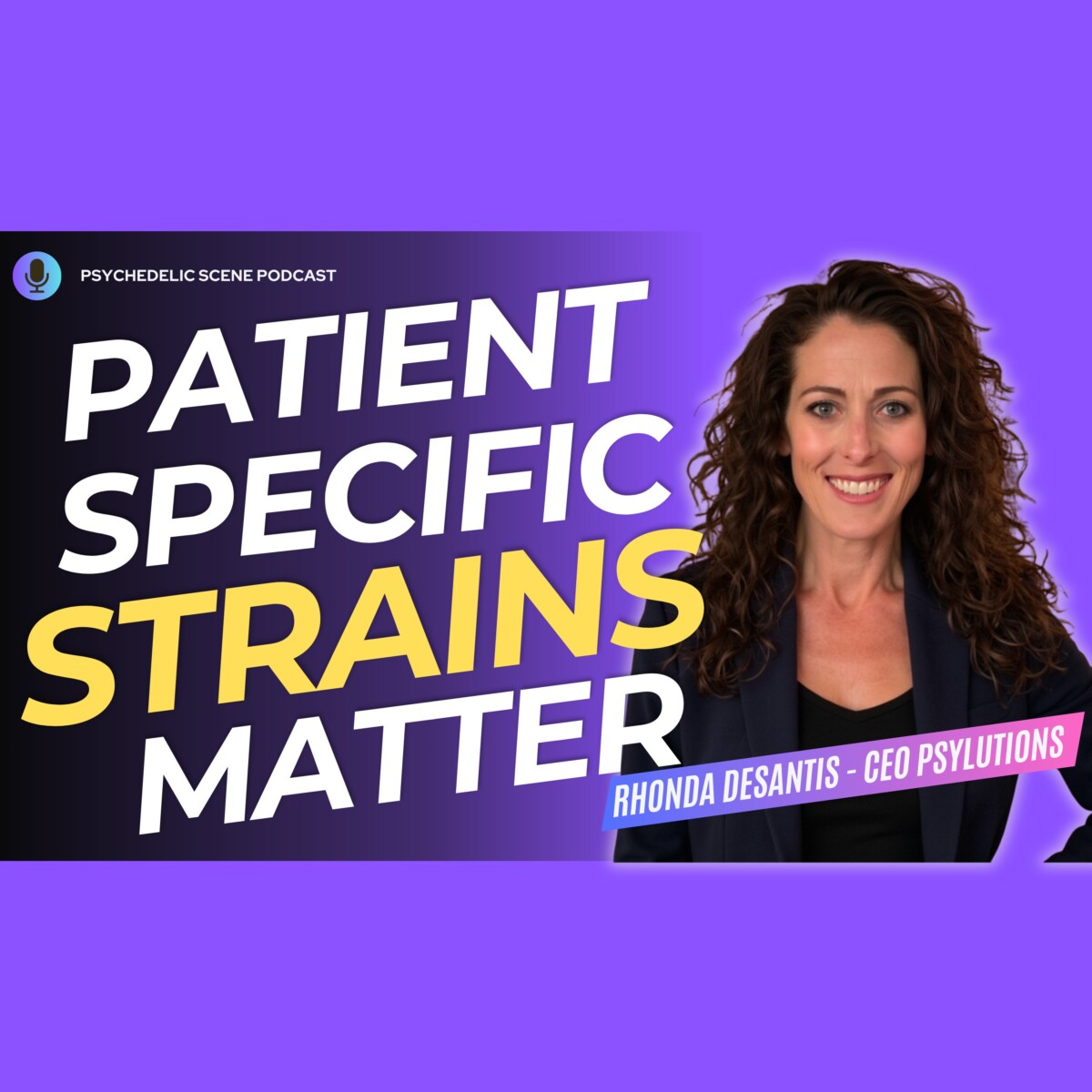
Rhonda is the founder of Psylutions, one of Colorado’s first licensed psilocybin cultivators, manufacturers, and distributors serving licensed healing centers.
Colorado’s model is designed around facilitator-led care inside regulated environments.
That means:
- Licensed healing centers
- Licensed facilitators
- Laboratory-tested products
- Standardized dosing systems
- Compliance and tracking requirements
Unlike the gray market, the focus is consistency and safety.
According to Rhonda, one major challenge with unregulated mushroom products is unpredictability.
Two mushrooms from the same flush can have dramatically different potency levels. That makes dosing difficult, especially for vulnerable populations.
Her company addresses this through homogenized products, where an entire harvest is blended together to create more consistent dosing across capsules, chocolates, teas, tinctures, and gummies.
Why Trauma-Informed Facilitation Matters
One of the strongest themes in the conversation was trauma.
Jill and Rhonda discussed how people with PTSD, combat trauma, childhood abuse histories, and domestic violence experiences often require very different support than someone simply seeking personal exploration.
Rhonda explained that certain strains with stronger visual or auditory effects may not be ideal for highly dis-regulated nervous systems.
Instead, facilitators may choose gentler approaches with slower onset and lower initial doses.
She also emphasized that healing often requires multiple sessions, not one dramatic breakthrough experience.
That distinction matters.
Psychedelics may open emotional doors, but integration, nervous system safety, and ongoing support are still essential parts of the process.
The Similarities Between Combat Trauma and Domestic Violence Trauma
One especially powerful part of the conversation focused on the overlap between combat veterans and domestic violence survivors.
Rhonda described both groups as living in prolonged states of hypervigilance:
- Constant danger scanning
- Nervous system hyperarousal
- Fear-based survival responses
- Difficulty surrendering control
Because of these similarities, her protocols for these populations are often surprisingly alike.
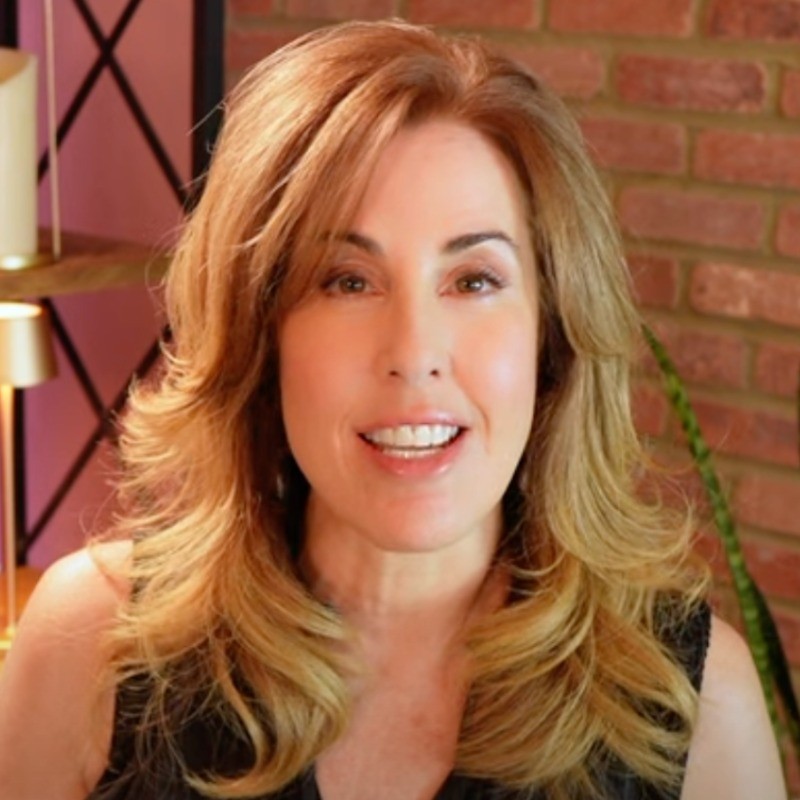
Host Jill Sitnick
Rather than overwhelming someone with intensity, the goal is gradual nervous system trust-building.
As Jill noted during the episode, many trauma survivors first need to “learn the medicine” before going deeper.
The Risks of the Gray Market
The episode also addressed concerns around unregulated psilocybin products and inexperienced facilitation.
Rhonda expressed concern about:
- Inconsistent potency
- Unknown ingredients
- Lack of testing
- Untrained guides
- Potentially harmful outcomes
She emphasized that a few severe negative experiences could slow broader public acceptance and policy progress.
Jill echoed this concern, especially for trauma survivors who may enter vulnerable emotional states during sessions.
Both emphasized the importance of:
- Skilled facilitation
- Ethical boundaries
- Clear dosing
- Trauma-informed care
- Safe environments
Why Precise Dosing Could Change the Industry
One of the most interesting sections of the episode focused on how standardized products may improve outcomes.
Rhonda compared it to pharmaceutical consistency.
Rather than guessing potency from whole mushrooms, regulated products can provide measurable active compounds in each dose.
That consistency may help:
- Reduce anxiety around dosing
- Improve facilitator confidence
- Create more reliable experiences
- Support future clinical research
As legal frameworks evolve, this kind of standardization may become increasingly important.
Where the Industry May Be Heading Next
Rhonda believes broader acceptance is coming.
She discussed:
- Increased public interest
- Growing research opportunities
- Expanding state legislation
- Professional education programs
- Potential rescheduling efforts
She also shared that Psylutions consults with emerging legal markets and healing centers outside Colorado to help build safer operational frameworks.
The larger vision is clear:
bringing regulated, natural psilocybin medicine into mainstream healthcare conversations while preserving the importance of careful facilitation and human support.
Gallery
Recent Articles
Loading...