Interview: Ashley Naylor of The Church
Interview: Ashley Naylor of The Church
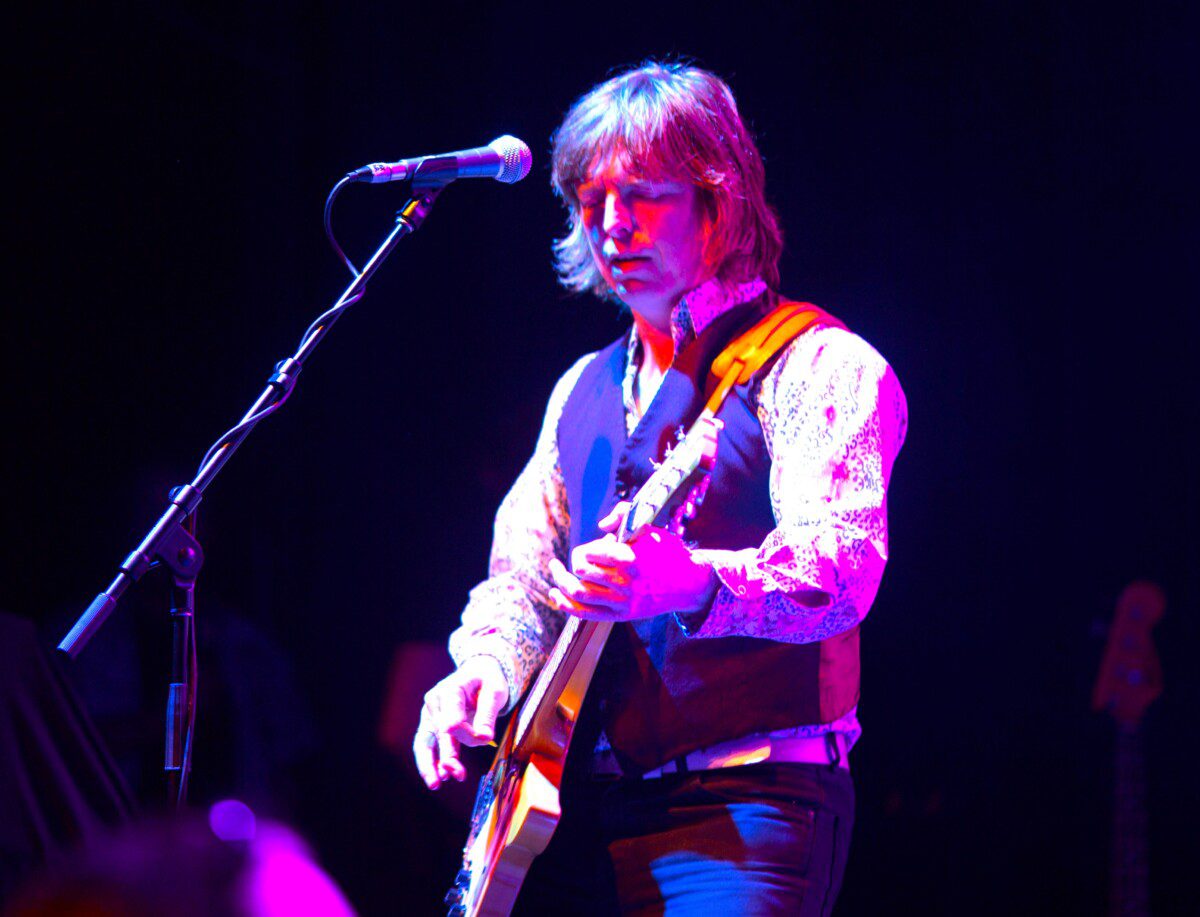
Guitarist Ashley Naylor joined The Church in 2019 and was officially announced as a member on February 1st, 2020.
Ashley Naylor: How are you, mate?
Psychedelic Scene: Good, how are you? How are you?
Ashley Naylor: Good. Nice to talk to you.
Psychedelic Scene: Yeah, definitely. Thanks for taking the time out to have a chat.
Ashley Naylor: No worries, mate.
Psychedelic Scene: Are you walking somewhere right now?
Ashley Naylor: I’m in the … This sounds really rock and roll, but I’m actually in the studio today doing my next album.
Psychedelic Scene: Oh, nice. Oh, your solo work?
Ashley Naylor: Yeah, so I’m having a break to move my car and to talk to you, mate.
Psychedelic Scene: Okay, cool. Well, thanks.
Ashley Naylor: Yeah.
Psychedelic Scene: Awesome. Well, we can maybe talk about your album in a little bit. Let’s talk about this other stuff first.
Ashley Naylor: Yeah, absolutely, mate. Yeah, go for it.
Psychedelic Scene: Yeah, right on. Well, hey, well, first of all, congratulations on getting Lacuna out. So that’s going to be…
Ashley Naylor: Oh, thanks. Thanks. Yeah. It was two and a half years in the making, but it was great. Like, it couldn’t have happened any other way, really. Like, there’s no way we could have got it out when it came out. So it’s just had to be that way. Yeah.
Psychedelic Scene: Why did it take so long?
Ashley Naylor: Well, it’s all down to the paperwork, really. Absolutely. I mean, like, the album was finished probably within a few months of us tracking in Austin in 2024. That was May 2024. And after that, management were renegotiating or negotiating with Cooking Vinyl, because the Church used to be signed to Cooking Vinyl. So basically, the Church re-signed with Cooking Vinyl. That included the back catalogue up until maybe the last five, six albums before I joined, I think. So basically, what had to happen was all parties involved in those records had to be in agreement. That involves ex-members having to sign the Cooking Vinyl deal as well as the current members. So it was, as you can imagine, it’s a very slow process having everyone read the document, consult their own lawyers and all that kind of business.
Psychedelic Scene: Right. Everyone’s in different time zones, everyone’s in different continents and stuff.
Ashley Naylor: Yeah. All of those things. And it had to be a situation where everyone was happy, like the current lineup were happy with the new deal and the ex-members were happy with the old deal. So, yes, it’s bit of a convoluted answer, but mostly people were pleased.
Psychedelic Scene: Fair enough. Well, glad you got it all done. And hopefully, everyone’s just happy with how it worked out.
Ashley Naylor: So, we should be happy.
Psychedelic Scene: Yeah. Right on. Well, cool. Well, so the word lacuna means, you know, like something that’s missing or like a gap, right? So, is there any like meaning behind the title of the album? Like about something that’s missing or is this like a gap album?
Ashley Naylor: That’s a great question. I’m not qualified to answer that because that’s a Steve answer.
Psychedelic Scene: Is it? Okay.
Ashley Naylor: I just think it’s, I think it’s one of those things where Steve has this vision for an album. And he said this happened in the past. We’re here to, he said, I want to call this album a sound, so I want to call this album a sound. And once he’s to start an album title, that’s great. He’s got the vision. Lacuna, I can’t speak on his behalf, but it’s been Lacuna the last two years, you know, since the art’s done. So, you’d have to ask. I could ask Steve for it, mate, and get back to you. Sure. Yeah. That’d be great. Yeah. Yeah. I don’t know. I’ll go. Yeah. Sorry, mate. You go.
Psychedelic Scene: Oh, no. I was just letting you finish. I’m sorry.
Ashley Naylor: Yeah. No, no. You’re all right, mate.
Psychedelic Scene: Okay. Cool. All right. Good. Yeah. Yeah. Your video’s frozen, so I’m not sure if you’re still outside and walking or what, but your video’s frozen, but your audio’s sounding a little bit better. It’s not as choppy.
Ashley Naylor: Oh, okay. I’m sitting there in the car, so is it still frozen?
Psychedelic Scene: Yeah. I just see you outside still.
Ashley Naylor: Or whatever. Do you need… I can…
Psychedelic Scene: Oh, there you go. Yeah.
Ashley Naylor: Is this for… Okay. Is it for audio or both?
Psychedelic Scene: Well, I can hear you just fine. No, I don’t need the video. It’s more just like it’s just easier to talk to somebody. I like talking to people when I can see them. Yeah, sure. It’s cool.
Ashley Naylor: No worries. It’s too hard. Yeah. Anyway.
Psychedelic Scene: All right, cool. So you guys recorded in Texas. Now, did Texas, being in Texas, did it influence how the album came out? Or did you all have like an idea for the album first before you went to the studio that like Texas has to be the place to do it?
Ashley Naylor: No. Yeah. We had no preconceived ideas. We had no musical ideas. Steve had a couple of sort of song ideas before he came in. But just being in Austin, it sort of characterized the atmosphere that, you know, it was really hot. And it’s Texas for crying out loud. And the studio was really nice. Old studio with lots of wood paneling on the inside. It had a real kind of old school feel about it. A lot of beautiful old instruments. And it’s a family member of Willie Nelson’s who ran the studio. There’s a lot of history there. A lot of really cool things that happened in that building. It just felt, I don’t know if it informed the music, but it made us feel we’re on a mission because it was a real treat to be able to go to Austin for two weeks and stay there and just record. And that being our primary focus, it was a really cool experience. Not one that you get to do very often when you’re making a record.
Psychedelic Scene: Whoa, you recorded all that in two weeks?
Ashley Naylor: I’m not sure of the geography. Oh, we recorded the basic tracks in two weeks. Some of the other edits and overdubs for vocals and a few guitar overdubs were done after the fact. But we got the guts of it down in two weeks. And Steve stayed longer and did the vocals with Brad Timko, the other audio engineer who helped us do the record. So, yeah, we got both the nuts and bolts down in two weeks.
Psychedelic Scene: Cool. Right on. So the last two albums were concept albums, or at least one was a concept album, the other one was kind of the sequel to it. Was this album freer or easier to make because you weren’t tied to a concept? Or was it just the same amount of…
Ashley Naylor: That’s a good question. That’s a great question. Yeah, because like I said, we didn’t really have a preconceived… I mean, Steve had a vision for the Hypnogogue. Hypnogogue and Eros by osmosis became a sequel to… Well, the follow-up to Hypnogogue, you know, thematically. Because four or five of the songs from Hypnogogue ended up being on Eros. It didn’t make the initial cut. So the record was kind of a third made already. Whereas this record, like I said before, when you came in with nothing, like we just came in and started jamming ideas and coming up with things on the spot and embellishing them or developing them. And it was pretty… Like there’s a multitude of ways the songwriting can happen. Like Steve can have pretty much a fully formed song, or one of us can have a chord progression for a song and Steve can put lyrics to it, or the five or six of us could just sit in the studio and just jam along to something for 20 minutes. Then maybe we picked three minutes out of that and that becomes a song, you know? So, yeah, we didn’t have… I can only speak for myself, but there was no concept as such to record. And we were very fortunate to be able to do it in such a cool studio and in such a cool place.
Psychedelic Scene: Yeah, right on. Yeah, so… So, I always like the irony that the song “Ferrari” on the album is like the slowest song on the album. You know, like… Yeah, because like the name “Ferrari” just kind of evokes speed. “Ferrari.”
Ashley Naylor: Yeah, yeah, yeah. In fact, you know what? I didn’t recall playing on that song. So, yeah. But that’s one that tune it receives. Yeah, like, I mean… Such a great lyricist. He can make any word sound poetic.
Psychedelic Scene: Yeah.
Ashley Naylor: You know, and the example you mentioned, like “Ferrari,” like he has this knack of… Just the tone of his voice and his way with words. Everything has a poetic lilt to it. And, yeah, I’m ashamed to say that I only listened to the album in full about two weeks ago. Since we did it, I tend to not listen to it until it’s out or, you know, just about to be pressed. So, I had a test pressing. And Timmy and I were just listening to the vinyl and had to listen to every track in sequence with headphones and very forensically. And it was nice hearing songs like “Ferrari” again, which I hadn’t since we made them. Yeah. It’s a… A track I’ll have to revisit. I said, man, I don’t know now if I played on that one.
Psychedelic Scene: Okay. Yeah. I just think it’s just funny because it’s such a slow song, you know, and it’s called Ferrari. So, you know.
Ashley Naylor: Yeah. I don’t think the irony is lost on Stephen.
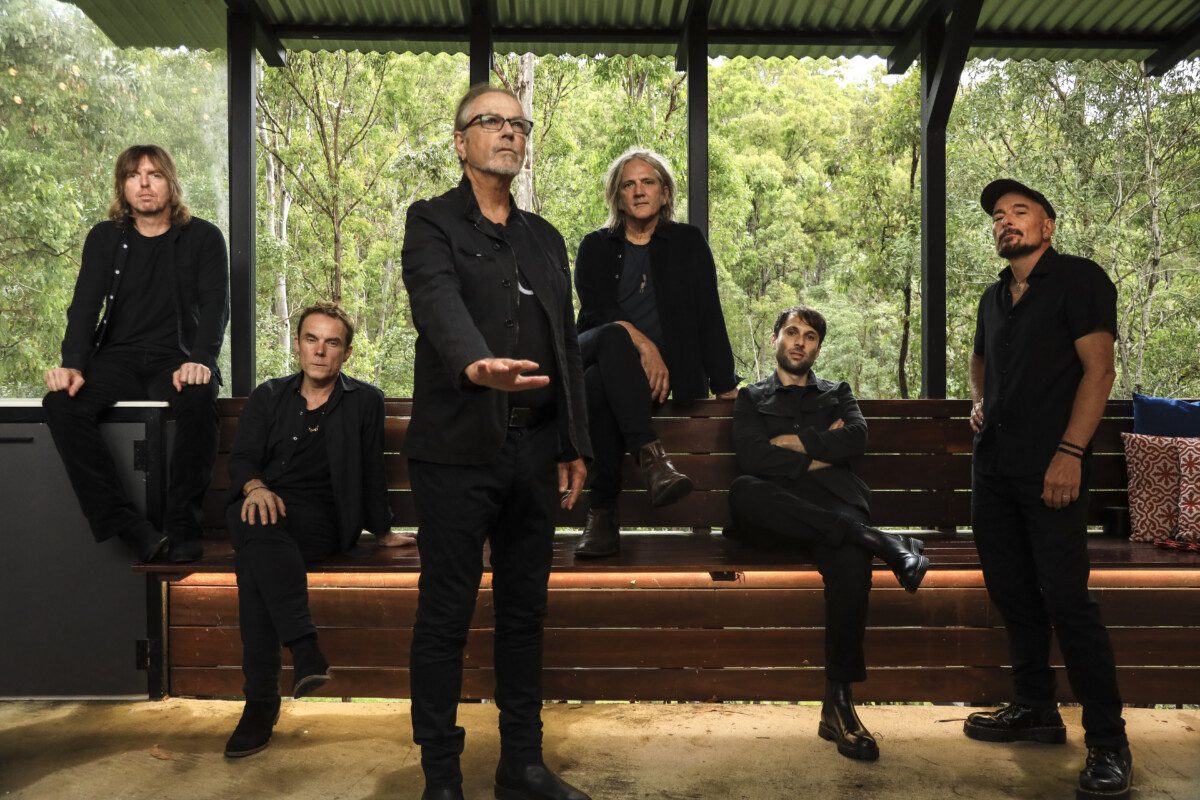
The Church shot by Adam Nichols
Psychedelic Scene: Okay. Cool. Good. Yeah. Look, one thing about, like, “Forever” now. This is the second time in a row that you guys have put a song on an album that, like, I just put on repeat, like, constantly. So, like, “Forever” on this one and “Pleasure” on Eros Zeta. And it’s been a long time since, like, I’ve had, like, songs.
Ashley Naylor: Yeah. Oh, man. That’s great.
Psychedelic Scene: It’s been such a long time. Yeah. Since, like, I’ve had a song that I can just, like, listen to forever.
Ashley Naylor: I’m glad you said that. That’s the one I wrote with Steve. And it was one of those happy accidents. I was just sitting at piano. And I’m no piano player by any stretch. I can play some very basic stuff. But sometimes that’s a good thing when you’re making music. Like, you don’t need to be a virtuoso. Sometimes if you’re getting someone to play on a record, it’s hard to get them to play something really simple. And so my piano skill is so primitive that it manages to create a nice bed for Steve to sing on top of. There’s not all this busy piano playing. And it’s got a nice, hopefully a nice sort of almost ambient feel to it, you know? I think I was conjuring something like Rick Wright or Mark Hollis, something like that. It’s just something that’s kind of got a real atmosphere to it. And then when Steve starts singing on something, it’s, wow, it just takes on a new form. And, yeah, that one turned out really well.
Psychedelic Scene: Yeah. So you just mentioned Mark Hollis. Are you a big Talk Talk fan?
Ashley Naylor: Yeah, I am. I’m not an obsessive. Like, I have their albums. But I tend to just obsess about a few songs like “Life’s What You Make It,” for example. For me, that’s like the quintessential song, like a bass line that doesn’t change and beautiful chords that fly over the top and a haunting vocal. Yeah. So I think those kind of songs follow me around. Like, I can’t sort of shake them. So I think stuff like Talk Talk and Pink Floyd, it kind of informs what I do, maybe not overtly, but sort of subconsciously. Yeah. How about you? Are you into Talk Talk and that stuff?
Psychedelic Scene: I used to listen to some of their stuff. And then, you know, I’d kind of given up on them for a long time. And then after Mark Hollis had died, I was reading about them. And I was reading this article. And they’re saying about how, like, they put out one of the first post-rock albums. And I used to be, like, into, like, Mogwai and, you know, bands like that. And I was like, really? Because I really just remember them being, like, this 80s, like, synth-pop kind of band, you know? And so I went back and kind of rediscovered them. And I was like, wow, they really, really grew and matured as a band. Like, when so many sonic directions. It was really, really impressive.
Ashley Naylor: Yeah. Well, they were out of the, whatever post-rock means. I don’t really know what the long band is when bands started being referred to as post-rock. You know, was it Slint? Or what kind of bands would have spearheaded the post-rock movement, in your opinion?
Psychedelic Scene: For me, it was, like, a band like Mogwai. So it was basically, you know, like, these, like, long, droney songs without a lot of lyrics. You know? Japancakes.
Ashley Naylor: Well. No way.
Psychedelic Scene: Yeah.
Ashley Naylor: Yeah, I’m really getting into that as I get older. Like, less singing, more playing.
Psychedelic Scene: Mm-hmm.
Ashley Naylor: You know? I used to be up on the sort of power-pop stuff, which I still love, don’t get me wrong. But the good thing about the Church ethos is that there’s a lot of room for the music just to occupy its own space. Yeah. Steve doesn’t always feel like he has to shoehorn lyrics in there. You know? He really encourages that, which is a blessing, you know, as a musician. It’s cool. Yeah. To be able to feel like you’re on a long leash, you know?
Psychedelic Scene: That’s good. Well, yeah. Like, so, like, in “Forever,” again, going back to that song, you know, I love how it, and a lot of songs in the album go, like, in, like, multiple parts. And so there’s, like, this, like, long, like, you know, like, slow beginning, and then it just builds up to this guitar outro. And, like, so was that part improvised, or did you guys just plan that out, the guitar ending?
Ashley Naylor: Uh, I kind of mapped it out, and I had the line, sort of the guitar lines in mind, and then Ian did this nice counterpoint, this fuzzy line.
Psychedelic Scene: Mm-hmm.
Ashley Naylor: And then Jeffrey had these beautiful acoustic chords just sort of swimming through the whole thing. Yeah, we gave it structure. We recorded it to a, you know, percussion track just so that we were all on, you know, all locked in. But it was built from the piano up, so it was piano, guitar, guitar, drums, bass, vocal, atmospherics, and then we had that sort of shifting gear in the outro. So, yeah, I mean, it was all pretty deliberate, but it came together, you know, in a beautifully spontaneous way. Oh. Yeah. You know, it’s great, you know, it’s nice.
Psychedelic Scene: That’s cool. Did you record any of the album, was it recorded live, or was it all done, like, you know, each of you knew, like, your own spots?
Ashley Naylor: Uh, a bit of both, actually. Okay. Jamming, sounds like, um, for, uh, we were jamming that riff. Da-do, da-do, da-do. Yeah, we were jamming that for maybe 10 minutes. Okay. So, Steve and Brad would pick the best, the best section of that, and then Steve would put lyrics to that. So, yeah, a lot of it was actually us all playing together. And, um, other songs were built more in the old-fashioned way. The old Beatles way. Guitar first, or percussion, bass, drums. And, yeah, it was, it was, we had, we adopted a few different, um, processes. We didn’t have one rigid, uh, process for tracking. Which is good, because then you don’t get any rut. You know, there’s no, there’s no getting in the rut. You’re just open to, open to all sort of, um, outcomes. And then, like, Steve came in one morning and just started playing the song that became “Winter.” Winter in the, da-da-da-da. And he had a different season for, I’m not trying to get credit here, but he had a different season for every verse. I thought, well, maybe just call it Winter and make every, every verse pertaining to winter. And so, like, that was just in the, in the front lounge of the studio, just on the couch, like, and was recording on the phone. So, yeah, it’s all, all the different methods. Um, but to answer your question, yeah, some of it was actually tracked live, live in real time. Us playing parts, coming up with parts on the spot, leaving the engineers to edit out all the, all the curly bits.
Psychedelic Scene: Oh, cool. Well, that’s good. Yeah. So remember, I think, was it Forget Yourself was the one album that they were, the Church recorded all live, I believe, right? When going back.
Ashley Naylor: Yeah, look, I’d have to ask. Yeah, I’d have to ask Tim and Steve about that, because I, that was before my time. But that’s a really good, be good to, to find out how they did that. Because I’ve got to do a bit more homework on those records before I joined, you know. I’m ashamed to say I haven’t listened to all of them in full. So, yeah, I’ll make that my weekend homework.
Psychedelic Scene: Well, there’s a lot to go through.
Ashley Naylor: I know, mate.
Psychedelic Scene: So “Sacred Echoes” was like, you know, that song, like it goes into like three different parts. Like each one seems to me like, like an homage to like one of your influences. Like to me, like part one is like Pink Floyd. Part two sounds like Sigur Rós to me. And then part three is just like the Beatles, you know.
Ashley Naylor: Oh, well, that’s, that’s a, that’s great. A great triumvirate there. Like I’m a massive Floyd fan, massive Beatles fan. And I know Jeffrey and Steve are very Sigur Rós. And I’m sure, I’m sure some of the other members are as well. But it’s not a band that’s at the front of my list. You know, it’s a band I don’t know much about. So it’s a great reference point. And I think Jeffrey and Stephen will be really tickled that you mentioned that.
Psychedelic Scene: Yeah, like, you know, like part one just sounds like the opening of like, I don’t know, just any Pink Floyd album. Just like this, like, really grandiose, you know. And just like, and then just that guitar just comes in. And it’s like, wow, okay, this is like, this could be Pink Floyd again. But, and then you have Sigur Rós. To me, it’s like the drum swells in part two.
Ashley Naylor: Gotcha. Yeah.
Psychedelic Scene: You know? Yeah, well. And this, like, anthemic, like, swells.
Ashley Naylor: Yeah. Yeah, that’s, that’s Nicholas and Jeffrey. That, that’s almost pretty much up on out of their, their ideas, you know. It’s, and that’s the beautiful, beautiful thing about this lineup. It’s like, it’s like some of us are going off in the piano room and Ian might be out in the courtyard coming up with some rock and roll song. And then Nick and Tim are doing something ambient in the drum room and the keys area. And then Jeffrey’s just being his amazing self, coming up with beautiful chords. And Stephen’s just coming up with lyrics in thin air and writing it down in his book. And, and, and playing his bass, I think he’s probably overlooked a bit with his bass. Like his bass is a, it’s kind of the linchpin to a lot of the Church sound, to be honest. Yeah. Yeah.
Psychedelic Scene: Well, it’s interesting.
Ashley Naylor: There’s not many singing bass players out there.
Psychedelic Scene: Right. Yeah. Yeah. Sting. Yeah. I started taking guitar again over the summer and my guitar teacher, he’s a, he’s mostly a jazz musician. So it’s been good for me because I like to play rock music. And so he was asking me to pick a few songs that I want to like hear or like things that inform like what I want to play. And so I put in a Church song and he was like, wow, that bass player is amazing.
Ashley Naylor: Yeah. Yeah. Yeah. Yeah. Yeah. He’s so idiosyncratic, very idiosyncratic player. And he doesn’t always play the root note, which is cool. Like he plays a note, which feels right. You know?
Psychedelic Scene: Yeah. That’s what my teacher said.
Ashley Naylor: He’s not. Yeah. He’s not constricted by music, by music theory. Cause he’s not, to my understanding, Stephen’s not a trained musician. So he makes musical choices, not musical theory choices. Yeah. No, that makes sense.
Psychedelic Scene: Yeah. Cool. Oh yeah. Actually, going back to “Sacred Echoes” one more time with part three, like that’s just kind of like sounds like it just really brings back like “Tomorrow Never Knows” to me. Like it just kind of like speaks to that. Like were you guys like jamming on that.
Ashley Naylor: Yeah. Yeah. We wouldn’t be jamming on “Tomorrow Never Knows,” but that music is so deeply rooted in our collective DNA that it comes out accidentally. Like, you know, I, I’m still fascinated by the Beatles. Having listened to them for most of my lifetime, I’m still fascinated by them. And, um, invariably it comes out in my guitar playing or, you know, chord patterns or, or ideas of a song. What makes a song work, you know, like the way they’ve managed to distill everything into, you know, two or three minutes is incredible. And a ground makeover in short songs and also long songs, you know, like “Tomorrow Never Knows.” Like it. Yeah. It’s just a constant source of inspiration. So they definitely would have been subconsciously, it would have been something to do with conjuring the same feelings as “Tomorrow Never Knows.”
Psychedelic Scene: Cool. So, um, since this is for the Psychedelic Scene magazine, I should ask you what, what’s the most psychedelic track in the Church catalog, in your opinion?
Ashley Naylor: Oh, shit, man. Um, and I, it sort of depends on, on, on your definition. Like, you know, if psychedelic means that it, it, it transports you or makes you feel otherworldly, that can be, that can be, um, hard to define. Like, you know, “See Emily Play” is a psychedelic pop song. “Interstellar Overdrive” is a psychedelic thing. I mean, it depends on how you define psychedelia. Like, is it to try and make music that sounds like you’re transcending reality? I don’t know. How would you define psychedelia before I answer the question?
Psychedelic Scene: Yeah. For me, I guess it, for me, it’s like something that kind of like expands your mind and expands your experience and it transports you somewhere else or it makes you feel like you’ve been transported somewhere else. And so, yeah.
Ashley Naylor: That’s a great question. I think, um, I think, um, I think something like Hypnogogue, something like, like, like,
cracks. But then, me, it also has some form of, some sort of structure to it as well.
Psychedelic Scene: Um. Sorry, could you repeat that? You, you, you got garbled a little bit there.
Ashley Naylor: This, I might say something like “Antarctica” from the Hypnogogue.
Psychedelic Scene: Oh, “Antarctica.” Okay. Okay.
Ashley Naylor: Yeah. That, to me, has that sort of, sort of, sort of, sort of, sort of, sort of, trance.
When we, we haven’t actually put a live version out on line or anything yet when we play “You Took.” So I think “You Took,” as a live experience, can occupy that space. Um. I’d have to think about the new album as something that would, um, probably “Sacred Echoes Part 2.” I think that has an element of psychedelic um experience about it. Yeah. Um. Well, it’s a bit of an open question. That’s a bit of an open question.
Psychedelic Scene: “Place of Eternal Spring”?
Ashley Naylor: Um. Yeah. Yes, absolutely. Yeah, absolutely, mate. Like, you know, I, I’m, my experience of recording the music is, um, it’s a little bit, um, blinded by my participation in it. So it’s probably nice to hear your opinion from the outside listening in, you know? But absolutely that one. Um. Even “Martian Skyline.” Like, anything that conjures something that’s otherworldly for me probably fits that category. But I don’t, I don’t think I have one as, I don’t think I think of one as being more or less than the other. It just is so psychotic. Like, it’s, it’s a mindset I think you can apply to even a short pop song, I suppose.
Psychedelic Scene: Yeah. Fair enough. One thing I noticed about this record also is it, it rocks a little harder than the Church has done in a long time. At least in my, you know, in my listening to it. Like, the drums sound a little harder. The guitars are, like, crunchier. You know, the tempos are a little faster. Are you guys moving back towards, like, a more rock kind of, like, thing? Or is this just for this album? Like, what do you think the direction is moving?
Ashley Naylor: Well, I think it was probably a bit of both. Because we don’t know when we’re going to make another record. So at the time we had done, started making Lacuna, we had been touring a bit. Like, we’d done tours of Australia, tours of America. The band was pretty, you know, we were a well-oiled machine at that point. So we could actually adjust to doing more up-tempo songs. And also Ian and myself, to a certain extent, are advocates for the older, more driving Church songs, you know. Not that we don’t like the slow, moody songs as well. We do. But also Nicholas has brought a lot of energy to the band. And he’s a man who’s still in his 30s. So he brings a lot of power and energy to the rhythm section. And not to diminish Tim’s drumming, but Timmy’s had a few injuries over the last four or five years, which have hampered his ability to play full kit for a whole show. So he’s moved into the more percussion world, ambient world, keyboard world. That’s enabled Nick to come in and just really drive the band. So it has facilitated a lot of songs. So like “Rapture,” for example, we know we can do a flat-out rock song because we’ve got Nicky there just driving it. And also I created parameters for myself. I didn’t use an e-bow. I just wanted to make sure that my guitar sound was pretty straight up, you know, like pretty direct. And if it needed a bit of crunch, then you could hear the crunch within all the dreamy, floaty stuff as well, you know. You know, there is a very obvious rock element to what the Church do. You know, essentially it’s a rock band, you know. But yeah, it’s good. It’s good having some more up-tempo songs in the current album, you know. It’s good for us. It’s also good for the old school fans who like hearing that sort of it’s a familiar kind of sound to them. And we’re happy that there’s a hat tip to the old sound without it sounding like some weird pastiche.
Psychedelic Scene: Right. Yeah, no, that’s a good way to put it because it does, like a Church album always sounds like a Church album, but it doesn’t sound the same. Right? Like it’s always different and different enough, but it’s still like the Church, like, you know, the guitars, the vocals, like everything. Like you can sell it as a Church album, you know. Yeah. It’s good because it’s very comfortable and familiar.
Ashley Naylor: That’s good, yeah. And Ian and I were talking about this the other day, that nothing’s ever spelled out for us, but you kind of know what does and doesn’t fit in sort of like the scheme of a Church record. Or there’s almost, there’s like a mindset that you attach to your playing or you bring with your playing when you’re doing a Church record that you might not bring when you’re doing your own record or you’re guessing on someone else’s record. So I think we kind of know what Steve likes to hear as well. We kind of think, well, you’re trying to create an atmosphere over which Steve can add his vocals. So that’s the, also that’s the defining factor when Steve sings something. Wow. Next thing you know, it’s a Church song, you know. So it’s, yeah, I’ve experienced that a few times now. It’s the third album I’ve made with the band. So it’s a great thing when you hear the mixes come back and Steve’s done his vocals and the vocals are mixed into, oh, wow. I never knew that song would turn into this. And yeah. So Stephen managed to wave his magic wand over everything and make it into a Church experience.
Psychedelic Scene: Cool. Is there anybody else that we’re going to take on vocal duties, lead vocal duties, or is it always going to be Steve?
Ashley Naylor: Probably not. Yeah, probably not lead. I mean, I’m singing some BVs on the record on “Forever” and on “Rapture.” But it’s not a big feature of the current. Yeah, we sing a bit. We sing a few Stephen’s lines in concert. We sing some of his parts just to get them, you know, into the song. I’m singing a co-lead on “Two Places at Once” on this current tour we’re doing. So that’s a bit of a thrill for me, getting to do that in these beautiful concert halls we’re playing in. So that’s nice. But with regards to recording, I think everyone’s more than happy for Steve to, you know, lead from the front, as they say.
Psychedelic Scene: Fair enough. Okay. And you mentioned the e-bow before. And I was wondering, do you and Ian and Jeffrey have to fight over the e-bow or do you share?
Ashley Naylor: It’s funny you should say that. We’ve all got our own. Okay. But I made a conscious effort on Lacuna to not touch an e-bow. So I didn’t touch one for two weeks. Because, you know, we all get to play it live. And I felt like I wanted to push myself by limiting myself, if that makes sense.
Psychedelic Scene: Yeah.
Ashley Naylor: And I left all those other e-bow parts, the other chaps, because I wanted to just keep it as pretty, you know, as sort of reined in as possible from my perspective.
Psychedelic Scene: Yeah.
Ashley Naylor: But no, funny you should say that. Ian forgot his e-bow when he came to Melbourne to rehearse for the orchestra. So I had to go down to the local music store and buy an e-bow for the band. So now we’ve got a band e-bow. We’ve got the backup.
Psychedelic Scene: There you go. Nice. Now everyone can use one. So nice.
Ashley Naylor: Yeah.
Psychedelic Scene: So I know you guys are still doing this Psychedelic Symphony tour, but are you going to tour to support Lacuna after this?
Ashley Naylor: Yeah, we’d like to. We’d like to think in 2027 we’ll be doing some touring. So it’s a real watch this space scenario. Like we’re just sort of talking about that now with management, trying to work out who’s around and at what months of the year are suitable for everyone. Yeah. And we might even try and do a couple of curated events, maybe in Australia for the album at least. Yeah. But yeah, look, there will be touring. To answer your question, there’ll be touring. Exactly when? I can’t officially say. But yeah, we need to go out and play these songs live. We need to present them live and see how they sound because we’ve played a few of them already, but we haven’t played. And yeah, some of these songs I think are going to really sound amazing live.
Psychedelic Scene: I think so, yeah. I mean, plus I’m just impressed with how you guys tour because when I saw you, you came through Sacramento, California, where I live, two years ago. And it was the Afghan Whigs were touring with you, but they weren’t playing that night. So you guys did two sets and I’m just amazed that you can still do like two sets a night, like every night for a year.
Ashley Naylor: Yeah. Yeah. We did two sets on the singles tour. We’re doing two sets on the Psychedelic Symphony tour. I remember that show. That was great because we played “Almost With You” that night and we haven’t played it for months. And I hadn’t practiced the lead break, so I was sweating bullets.
Psychedelic Scene: Okay. Yeah.
Ashley Naylor: But that was a really nice little theater there. Yeah. I remember that. I remember that vividly that night. Like you said, it was an outlier. It was the only show we did two sets. That was great. Yeah. Yeah. Yeah. That was good.
Psychedelic Scene: Yeah, me too. I was happy to get there because I haven’t seen you guys in a few years. So it was nice to get us playing my town.
Ashley Naylor: Beautiful, man.
Psychedelic Scene: Also, I got to pass along a little hello for you. So a friend of mine, Dayle, her son, Case, is learning guitar. He’s like about 13 or so. And he is learning. He’s really inspired by the Church. And so she has messaged with you and you’ve sent him messages back. And you gave him actually a couple of guitar picks at that show in Sacramento. So I just want to pass along a little hello for you.
Ashley Naylor: Oh Fantastic. Oh, that’s great. Yeah. Send my regards back, please.
Psychedelic Scene: Yeah. Will do.
Ashley Naylor: Yeah. That’s great, man. That’s lovely.
Psychedelic Scene: You guys really inspired him. So that’s really cool.
Ashley Naylor: Oh, that makes my day. You know, that means the world because you know what it’s like once you discover music, it’s like a whole world opens up to you. Yeah. And it can be like a private universe at times, as you know. Like it’s a universe that you occupy. And it’s nice when other people can share that with you by sharing your tastes or coming to a show and being inspired by the music. It’s probably the ultimate success, to be honest, I think.
Psychedelic Scene: Yeah. Good. Yeah. So we’re running low on time. Got a couple of minutes left. So I just want to ask like one or two more quick questions.
Ashley Naylor: You’re all right, mate.
Psychedelic Scene: And talking about music. So who’s your favorite under the radar band right now? Like someone who people should know about that they don’t know about.
Ashley Naylor: Okay. Well, I’m going to mention my mate’s band, Buried Feather.
Psychedelic Scene: Buried Feather.
Ashley Naylor: Yeah. Buried Feather. You should check them out on Bandcamp. They’ve got a Bandcamp page. Buried Feather. You could probably put them in the psychedelic rock category. But they’re kind of got a bit of a – it’s hard to describe until you see them. They’ve sort of got a bit of a Krautrock, almost sort of late 90s Primal Scream, maybe a bit of Spiritualized, a bit of Spaceman 3 about them as well.
Psychedelic Scene: Oh, cool.
Ashley Naylor: Really cool band. And, yeah, they’re really good. There’s a band that I’ve been listening to from Scandinavia. I think they’re called Hollow Ship. Have you heard of them?
Psychedelic Scene: I have not, actually.
Ashley Naylor: Yeah, Hollow Ship. Yeah. They’ve got a track called “Magic Mountain.” And that’s one of the best tracks I’ve heard in years. It’s an instrumental track, and it’s just completely evocative. And it was recorded on a Scream 4-track machine, so it’s an incredible sound. Who else have we got? Yeah, they’re bands that I think are a bit under the radar, probably, you know, bubbling away. Like Buried Feather are a local band. They’re a Melbourne band. And they play to very niche audiences in niche venues around Melbourne. And I’m doing a show with them in December. But they’re cool bands. You want to check them out. Buried Feather.
Psychedelic Scene: Oh, thanks. Yeah, I will. Yeah, definitely. Yeah. One last question. Silly question. So you’re on a lifeboat. You only have room for three other people. Which three guitarists, living or dead, do you want on board with you?
Ashley Naylor: David Gilmore. Jimi Hendrix. Oh, shit. There’s only room for one more, isn’t there?
Psychedelic Scene: Yeah, sorry.
Ashley Naylor: Johnny Marr. Just my lifeboat.
Psychedelic Scene: Johnny Marr. Okay, cool. Nice.
Ashley Naylor: Yeah, Johnny Marr. That’s a good spread. Just to balance it out. Yeah, just to balance it out. I would have put Jimmy Page in there, but I think, yeah. So, yeah, three is too. That’s too constrictive. But ideally, if I was on a lifeboat, I’d probably want to be stranded with a drummer and a bass player.
Psychedelic Scene: Well, there you go. That’s a good way to put it, too. Yeah. Nice. Awesome. Cool. I think we’re just about out of time. So I really appreciate you taking the time out.
Ashley Naylor: Lovely to talk to you, Pete. Yeah.
Psychedelic Scene: Take care. Good luck with the tour. Good luck with your solo album today. And I’ll have to check that out, too.
Ashley Naylor: Yeah. Thanks, mate. Yeah. Yeah, that’ll come out next year. Awesome. All the best to you, mate.
Psychedelic Scene: You too. Take care. Bye-bye.
Ashley Naylor: See you. Bye. Bye-bye.
Gallery
Recent Articles
Loading...