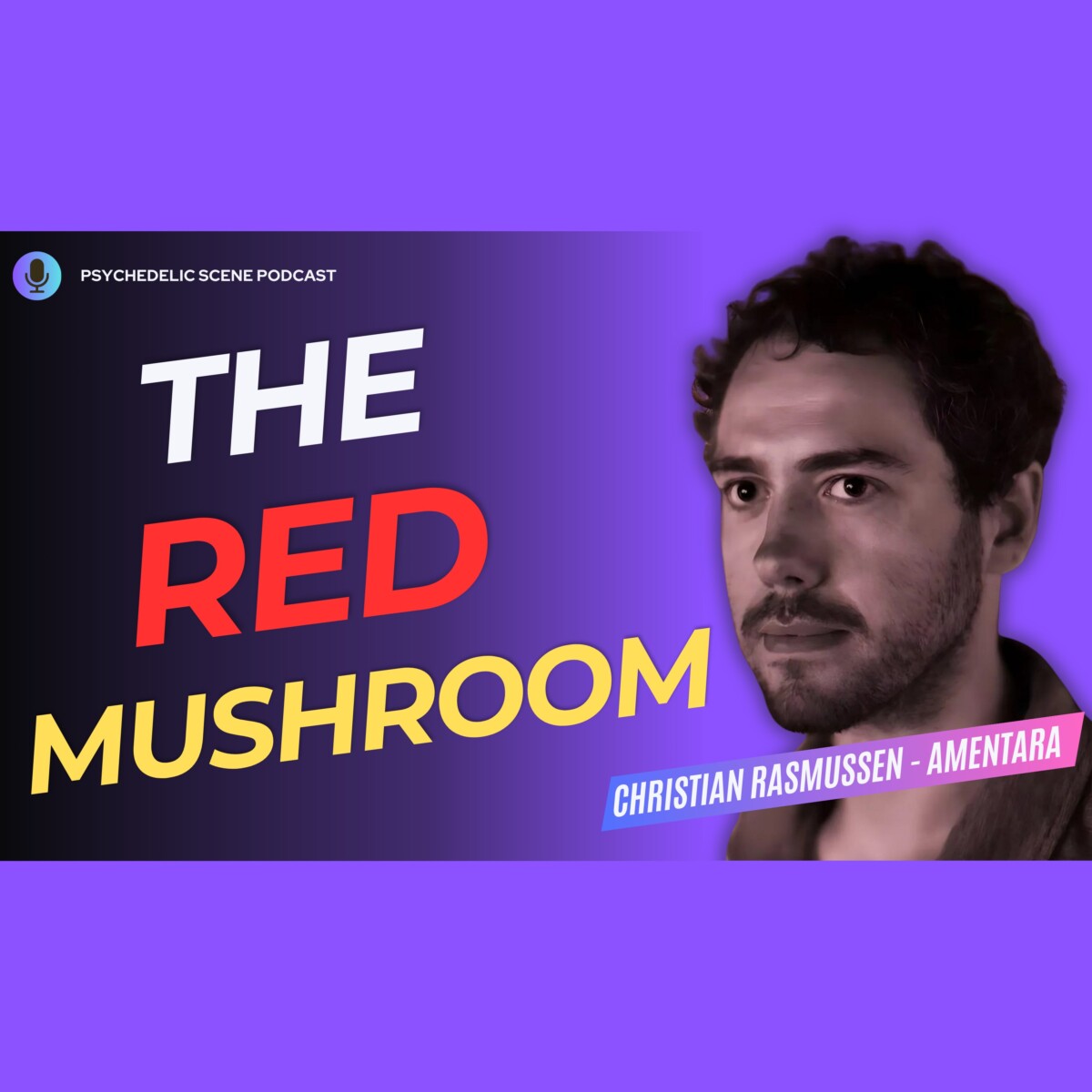
Podcast: Christian Rasmussen
Podcast: Christian Rasmussen
Christian Rasmussan
A Different Kind of Mushroom: What Most People Get Wrong (And What It Might Actually Do)
Most people think they already know this mushroom.
They’re wrong.
What Is This Mushroom, Really?
The red-capped mushroom (often called Amanita muscaria) is one of the most recognizable symbols in the world.
It shows up in fairy tales, video games, and childhood imagery.
But behind that image is something far less understood.
Unlike commonly discussed psychedelic mushrooms, this one sits in a different category.
It’s not typically visual.
It’s not about intense journeys.
It’s something else entirely.
Why Has It Been Misunderstood?
For decades, the dominant narrative has been simple:
“Stay away from it.”
That belief comes from a mix of factors:
- Eating it raw can cause discomfort
- Early reports were often extreme or poorly prepared experiences
- Cultural narratives reinforced fear without nuance
But when prepared properly, the experience appears very different from what most people expect.
What Are People Actually Using It For?
Across the conversation, a few consistent themes emerged.
- Support During Difficult Transitions
Some individuals report using it during periods of withdrawal from certain medications.
Important note:
This is anecdotal and not medical advice.
What stands out is the reported experience:
- Reduced intensity of symptoms
- A sense of relief in the nervous system
- Gradual return toward balance
- Sleep and Nervous System Support
One of the most consistent use cases mentioned:
- Easier sleep onset
- Deeper rest
- Waking up more refreshed
For many people, sleep is where everything else starts to stabilize.
- Creating Space Between Reaction and Response
“It gives you space.”
This was one of the most grounded takeaways.
Instead of reacting automatically:
- There’s a pause
- A moment of awareness
- A different choice becomes available
That small shift can change everything over time.
- Emotional Awareness and Personal Growth
At lower doses, people describe:
- Increased awareness of patterns
- Gentle access to underlying emotional roots
- Easier integration into everyday life
No dramatic “journey” required.
Just small adjustments, repeated consistently.
- Flow State and Focus
Some people report:
- Better concentration
- Easier entry into creative or performance states
- More fluid thinking
This appears to show up in activities like music, movement, or high-focus work.
How Is It Different From Typical Psychedelics?
This is where things get interesting.
Instead of:
- Intense visuals
- Deep, immersive experiences
It often works like:
- A subtle shift
- A gradual recalibration
- A background support system
And in higher amounts:
- Dream-like internal experiences
- More inward than outward
What About Safety?
A few grounded points from the conversation:
- Preparation matters
- Dose matters
- Individual response varies
And most importantly:
This is not something to approach impulsively.
People tend to benefit most when they:
- Start small
- Pay attention to their body
- Adjust based on experience
Gallery
Recent Articles
Hempispheres by Sleep: Album Review
•
September 7, 2026
Interview: Tommy James
•
September 4, 2026
Loading...