Podcast–Will Burkhart
Podcast–Will Burkhart
What Veterans Are Really Seeking From Psychedelic Work (And Why It’s Not Just PTSD)
What Veterans Are Really Seeking From Psychedelic Work (And Why It’s Not Just PTSD)
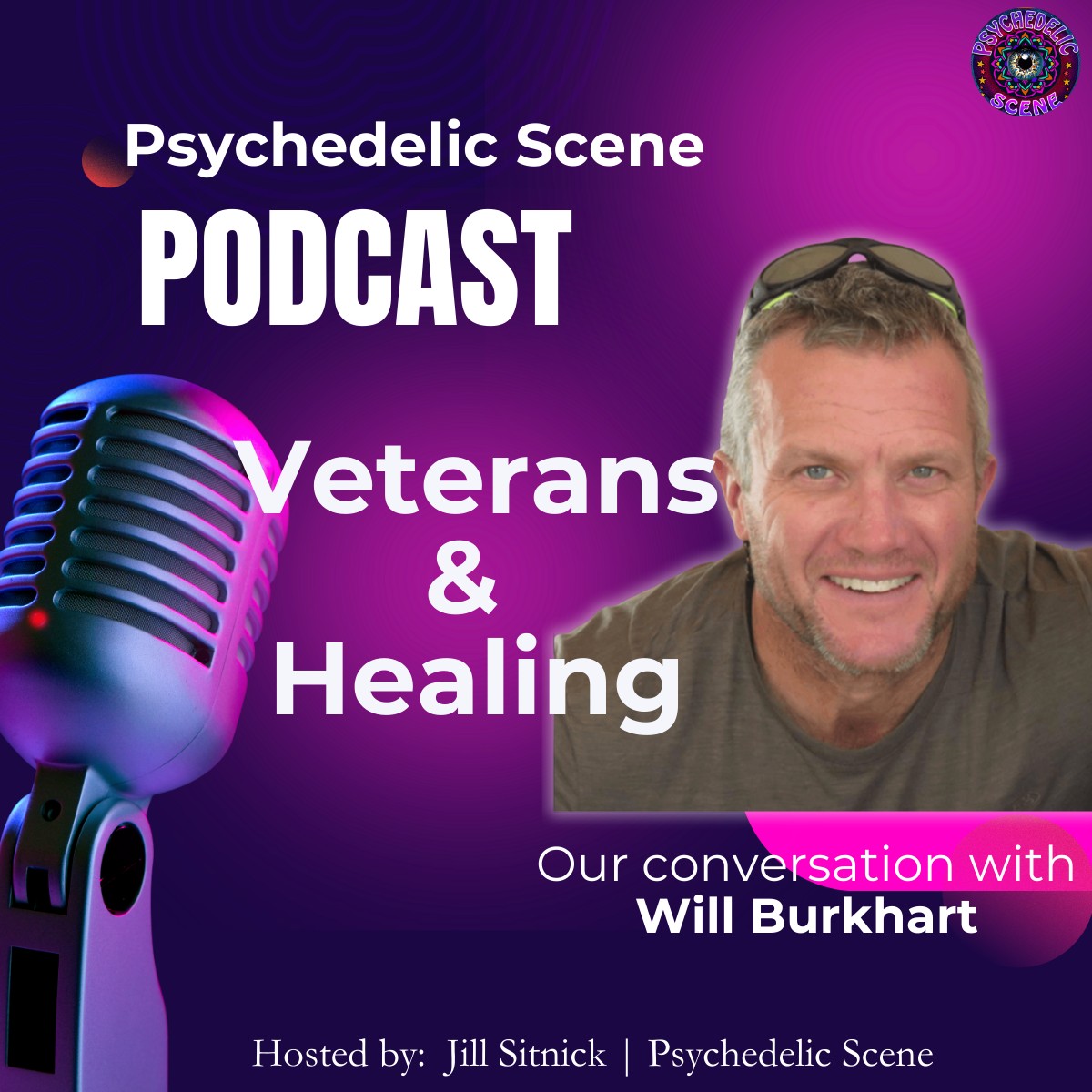
Not all trauma comes from childhood. Not all healing looks the same. In this episode, former Marine Corps intelligence officer Will Burkhart shares what veterans are navigating and why psychedelic work, when done carefully, can help address more than surface-level distress.
What Are Veterans Seeking?
For many veterans, PTSD is the doorway, not the destination.
Symptoms like anxiety, hypervigilance, anger, and emotional shutdown often bring people to psychedelic work. But beneath those symptoms is something more complex: a deep sense of betrayal, moral injury, and loss of trust.
Veterans often enter the military believing they are protecting freedom or serving a greater good. Exposure to the realities of war, political decision-making, and the military industrial system can create a profound internal conflict. That mismatch between belief and reality does not simply disappear when service ends.
Trauma Is More Than What Happened
This conversation emphasizes an important distinction: trauma is not just the event. It’s what the nervous system was unable to process at the time.
Veterans are trained to suppress emotion, maintain control, and complete missions under extreme pressure. That survival strategy works in combat. It often becomes a liability afterward.
When emotions finally surface, sometimes years later, they can feel overwhelming or confusing. Psychedelic work does not erase those experiences. Instead, when approached carefully, it can allow people to safely revisit and integrate what was never fully processed.
Why Dosing and Agency Matter
One of the strongest themes in this episode is the importance of agency.
Overly aggressive dosing can overwhelm people, especially those with trauma histories. Feeling powerless during a psychedelic experience can mirror earlier traumatic states rather than heal them.
A careful approach focuses on:
- Matching the medicine to the individual
- Using doses that allow awareness and choice
- Creating a sense of safety before depth
This is not about forcing breakthroughs. It’s about creating conditions where insight can emerge without re-traumatization.
Healing Is a Process, Not a Single Experience
There is a widespread misconception that psychedelic work is a one-time fix. In reality, healing often unfolds in stages.
This episode describes a two-phase arc:
- Healing and stabilization – reducing symptoms and restoring emotional balance
- Creative rebuilding – helping people reconnect with purpose, values, and direction
Some people benefit from periodic sessions over months or years. Others use lower-dose work to address specific issues as they arise. Consistency and integration matter more than intensity.

Psychedelics Are Tools, Not Miracles
A clear message throughout the conversation is restraint.
Psychedelics are not for everyone. They are not a replacement for preparation, support, or integration. They are tools that can amplify awareness, not bypass responsibility.
When used thoughtfully, they can help people reconnect with humanity, compassion, and meaning. When rushed or misused, they can create confusion or harm.
Summary
- Many veterans seek more than symptom relief when exploring psychedelic work
- Trauma often involves moral injury and loss of trust, not just fear
- Careful dosing and agency are critical for safety
- Healing is an ongoing process, not a one-time experience
- Psychedelics are tools that require preparation and integration
Gallery
Recent Articles

Artist Spotlight: Ivan Ivanov
•
October 8, 2026

Podcast: Sophia Ellowen
•
October 7, 2026
Loading...