Interview: Edward Ka-Spel of The Legendary Pink Dots
Interview: Edward Ka-Spel of The Legendary Pink Dots
LeValley: First of all, thank you so much for being here. You’re one of the most prolific artists I’ve ever known, if not the most prolific. I’ve counted 62 albums by The Legendary Pink Dots, about as many solo albums, and more releases with Tear Garden and Mimir. How do you do it?
Ka-Spel: I honestly have no idea how many albums there are. I’ve never counted them myself. But music is simply what I do. I work on it pretty much every day. It’s not a job — it’s a calling. For the last 45 years I’ve been immersed in it, and that immersion naturally leads to a huge outpouring.
LeValley: You turned 18 in 1972 and formed the Legendary Pink Dots in 1980. What did you do for most of the ’70s?
Ka-Spel: Before the Dots, I had a school band called VZZYN. We did some recordings on cassette. I lost my copy, but a former member still has one, and I hope to get a dub from him someday. It was very embryonic — you could say the beginnings of what later became the Pink Dots.
LeValley: What was the name of that band?
Ka-Spel: A very complicated one: VZZYN Lady R. Very ’70s.
LeValley: You have so much material. How do you decide what to play live?
Ka-Spel: We focus on what’s current, what excites us at the moment. The new album usually drives the set because it’s fresh and opens up new directions on the road. In a way, the album is the egg and the tour is the omelet.
LeValley: When you and your bandmates came up with the name “The Legendary Pink Dots” in 1980, did you ever imagine you’d actually become legendary?
Ka-Spel: The “legendary” part was always meant humorously. I wouldn’t say we’re legendary now. We’re more of a cult band — and I’m fine with that. Being a cult band allows closer communication with our fans and control over our work. We’ve never signed long-term contracts, always kept the right to release what we want.
LeValley: I would say you’re legendary. You’ve been around 45 years, and the sheer volume and quality of your albums is amazing.
Ka-Spel: Thank you.
LeValley: What’s the purpose of releasing solo albums when you already have your own band?

Ka-Spel: Because the band is a democracy — everyone contributes and shapes the music. But sometimes I’ve wanted 100% control. That’s where the solo albums come in. That said, these days the Pink Dots are incredibly collaborative. The three of us compose together, and it’s one of the most creative periods I can remember.
LeValley: How long has your guitarist been with you?
Ka-Spel: Eric? Altogether about 20 years. He first joined in 2003, left for a while, and returned in 2010. He’s been with us ever since. He’s a joy to work with — always surprising, always taking songs to unexpected places.
LeValley: I met Randall after your Phoenix show. He’s your keyboardist, right? He sounded American.
Ka-Spel: That’s right.
LeValley: Does he live in England now?
Ka-Spel: No, he’s in Italy. I’m in the UK, Eric is in the Netherlands, and UPU is also in the Netherlands. It’s cheap to fly between countries, and of course we do a lot online too.
LeValley: You recorded an album with Amanda Palmer, who I believe was a fan of yours when she was growing up. How did that come about?
Ka-Spel: Amanda’s a dear friend, and we’d talked about doing something together for years. Eventually the opportunity came when she was in London. Imogen Heap kindly let us use her studio. Amanda and I just went in, wrote everything from scratch together, even the lyrics — which I’d never done before. It was a completely new and magical experience. Amanda is an exquisite musician, which made it all the more special.
LeValley: You’re often considered a psychedelic band, in addition to experimental. Have psychedelic substances played a role in your music?
Ka-Spel: No. Absolutely not. We’re definitely a psychedelic band, but I want nothing to cloud the creative process. At most, some orange juice and blueberries. I want to be 100% focused on the music.
LeValley: Which of your albums are you most proud of?
Ka-Spel: Honestly, the last one. It felt like such a surge forward, expansive yet precise. Over the years, some periods felt patchier — like 2002–2009. But from 2010 on, I’ve loved the direction we’ve taken. In the ’90s there was great work, the ’80s was mixed. From that era, Any Day Now and The Golden Age stand out.
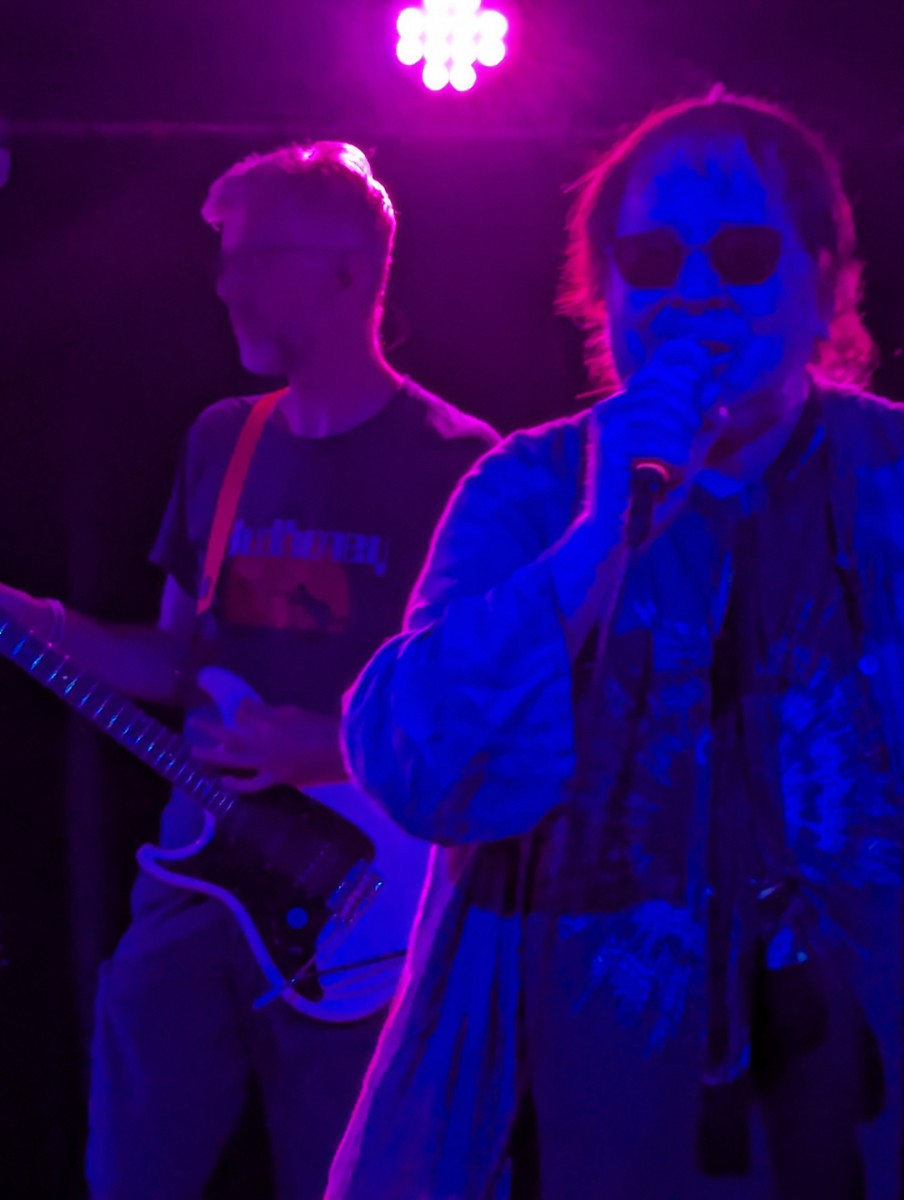
Jason LeValley
LeValley: How do audiences differ between Europe, North America, and elsewhere?
Ka-Spel: In Europe, audiences vary country to country, but these days the reactions are fairly similar since we mostly play major cities. In the U.S., we play more towns, but overall the audiences are very respectful and appreciative.
LeValley: What else would you like to accomplish in your career?
Ka-Spel: I’d like to go to Japan one day. Beyond that, just to feel like we got halfway there.
LeValley: What do you mean?
Ka-Spel: If you ever feel you’ve gone all the way there, then it’s time to stop. And I don’t intend to stop until I drop.
LeValley: That makes sense. Any final thoughts?
Ka-Spel: No, Jason, I think I’ve said it all.
LeValley: Thanks so much for your time. I really appreciate it.
Ka-Spel: Thank you.
LeValley: Nice meeting you.
Ka-Spel: You too. Bye-bye.
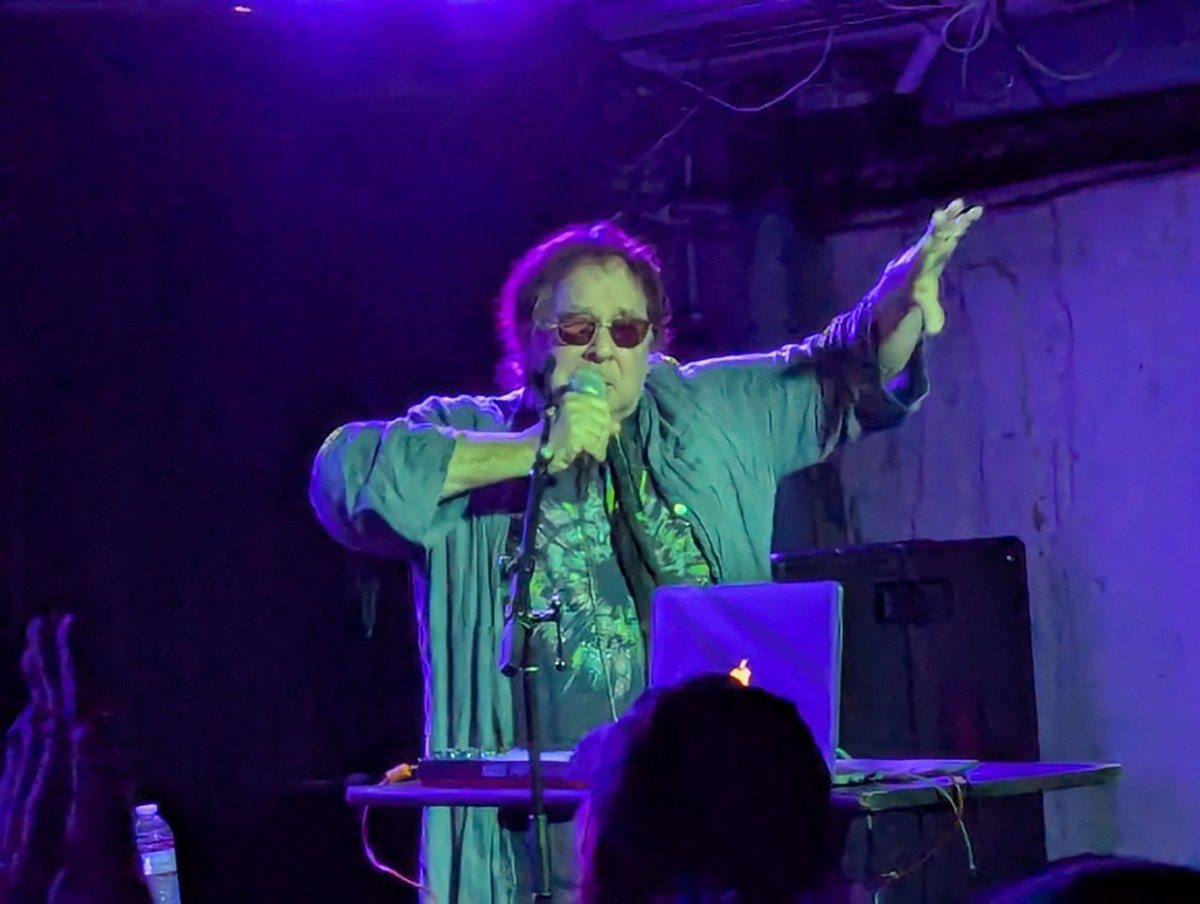
Jason LeValley
Gallery
Recent Articles

Artist Spotlight: Ivan Ivanov
•
October 8, 2026

Podcast: Sophia Ellowen
•
October 7, 2026
Loading...