Song Spotlight: Not to Touch the Earth by The Doors
Song Spotlight: Not to Touch the Earth by The Doors
“Not to Touch the Earth” is a fascinating piece of The Doors’ lore: a song unlike anything else in their catalog; a concentrated snapshot of Jim Morrison’s psyche during this period and perhaps even 1968 as a whole. As it so happens, the song is also my favorite song of all time by my favorite band of all time. As such, I’d like to explore the story and sound of the work and its lesser-known extended version.
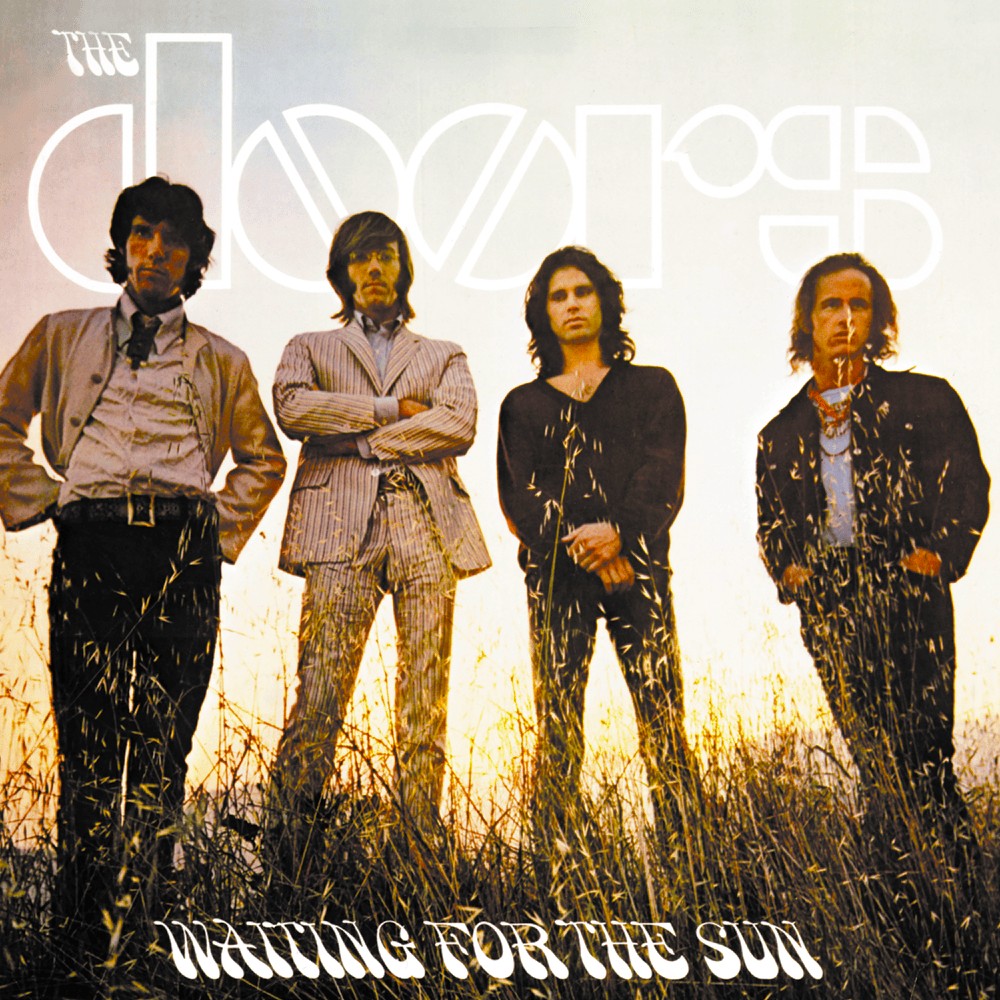
Before digging into the nitty-gritty details, I want to establish a fact unknown to many outside of The Doors’ fandom: a significantly extended version of the song, titled “Celebration of the Lizard,” exists. That version (which is superior, in my opinion) shall be the main focus of this retro review. “Celebration” was planned to be the centerpiece (and entire B-side) of The Doors’ third studio album, Waiting for the Sun. Before we get into the review itself, we should probably establish a few things.
First of all, “Celebration” was cut and replaced by the much more well-known album cut “Not to Touch the Earth.” Further, this masterpiece was meant to establish Jim Morrison’s ‘Lizard King’ persona, which was maintained on the released album. While the extended version was cut, the entirety of the lyrics was printed inside the gatefold of the original 1968 pressing of Waiting for the Sun. The full-length studio suite was eventually released in November 2003 on “Legacy: The Absolute Best.” Most importantly when discussing differences, this version of the song is made up of seven distinct sections.
Let’s start from the very beginning. This suite is meant to be heard in order, and I’d like to stick to that in this essay.
- “Lions in the Street” – This is a gorgeous poem where Ray Manzarek’s keyboards take center stage. Jim Morrison speaks surreal passages about urban chaos and unconscious fear in whine-tinged rhymes, creating an uncanny beauty. It is, by my account, one of the strongest openings of any of their songs. This is the origin of the famous line “Is Everybody in?”
- “Wake Up!” – A short and transitional segment of the larger piece, but decidedly one of the more memorable segments. In my opinion, it successfully serves the sole purpose of creating disorientation and unease.
- “A Little Game” – A beautiful and unique piece centered on a “game” called “Go Insane.” Overall, it translates as a ritualistic shedding of social identity to reach a deeper state of consciousness–or “breaking through,” as it were. Few know that this segment was previously recorded for the band’s original 1966 demo. This version has never been officially released but is available online.
- “The Hill Dwellers” – An unexpectedly danceable segment with extremely on-brand imagery focused on a secret society living in a “labyrinth of streams” deep within the brain—a place where it never rains and there is no pain. The segment ends with a jarring, effortlessly cool and iconic proclamation from The Lizard King: “WAIT! There’s Been a Slaughter Here!”—and from here, we enter the centerpiece of the suite that would have been the crown jewel of the original Waiting for the Sun album.
- “Not to Touch the Earth” – If we count “Celebration” as a multi-song suite as opposed to a singular piece of music, then “Not to Touch the Earth” is my favorite song of all time. There are technically four studio versions of this song that have been released: The Waiting for the Sun album version (the most widely known), the version from “Celebration of the Lizard,” “Take 1” and ”Take 2”–the latter three of which are on the “Behind Closed Doors” compilation released in 2013. We will be focusing on the suite version.
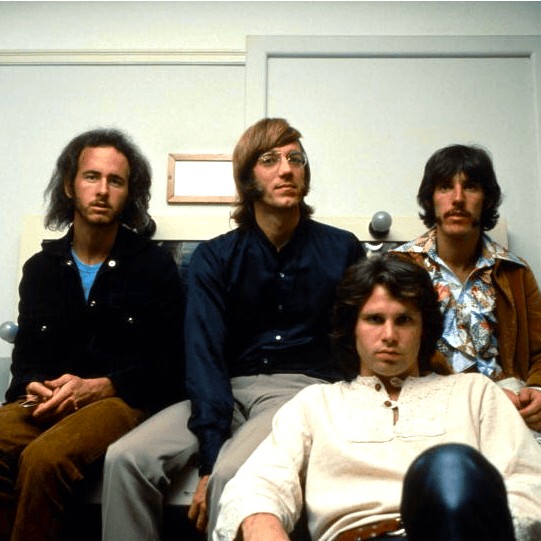
The build to the beginning of “Not to Touch the Earth” is indescribable if you started from “Lions in the Street.” There’s nothing like it. Every member of the band is in top form on this recording. Ray sounds excellent throughout the entirety of the recording. John Densmore doesn’t miss a beat. Robby Krieger knows exactly his simple, low-key role. And, most notably, Jim knows exactly when to sound more reserved and when to wail like an unhinged banshee-crooner hybrid. As with most of these segments, Ray is most pronounced with his haunting, unsettling, often “scary” keys. The imagery is unmatched in my estimation. From the clear allusions to the tragic death of President Kennedy—along with lyrics like “the mansion is warm at the top of the hill,” “the minister’s daughter’s in love with the snake” and “we should see the gates by morning”—every statement takes you deeper and more clearly into this dream (nightmare?) world being drawn out in detail by Morrison while the other Doors soundtrack the affair with a primal ferocity very few bands of their era could muster. As the song comes to a close, we are met with the eternally famous line in which Morrison christens himself with a tag that remains to this very day: “I am the Lizard King. I can do anything.”
- “Names of the Kingdoms” – After all of the above, how could this song possibly move forward without feeling immediately disjointed? A simplified, organized, and yet still chaotic aftermath introduced by a lone bass line leading into an almost medieval-esque percussion tack piano played by Manzarek. The short segment revolves around The Lizard King, claiming dominion and establishing a primal order through the power of naming. It is, by far, the most low-key of the segments. Morrison sloppily croons all “the names of the kingdoms.” It is beautiful in its unique way compared to the rest of the suite.
- “The Palace of Exile” – We arrive at the finale. As the last segment fades to near silence, we are met with the drone of Jim playing a harmonica. The Lizard King expresses, “I am the Lizard King. Retire now to your tents and to your dreams. Tomorrow, we enter the town of my birth—I want to be ready.”
The final segment, “The Palace of Exile,” was meant to be longer. If you listen to live versions or read the lyrics in the aforementioned gatefold, you will notice that this segment was also supposed to include:
“For seven years I dwelt
In the loose palace of exile
Playing strange games
With the girls of the island
Now I have come again
To the land of the fair, and the strong, and the wise
Brothers & sisters of the pale forest
O children of Night
Who among you will run with the hunt?
Now Night arrives with her purple legion”
So why aren’t these brilliant lyrics on the recording?
That’s a valid question and it brings me to my final note on this song.
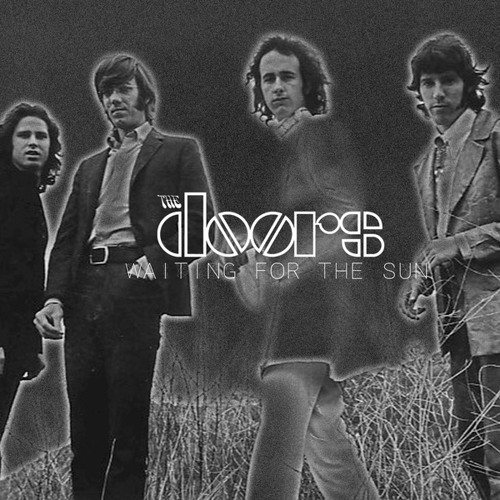
This studio recording isn’t quite what it is marketed as. “Celebration of the Lizard” was never completed by the band. It was abandoned in favor of a more traditional album structure. What we know as the “studio version” was originally marketed as a “work-in-progress” version upon release. The recording was “frankensteined” together from studio recordings and demos. That being said, this is (and will probably remain) the most complete version of this suite that we shall ever hear outside of live recordings (most notably the version featured on another excellent “frankensteined” project, “Absolutely Live”).
Finally, we come back to “Not to Touch the Earth”—one of the most unique songs The Doors ever released. Complete with organized chaos, vivid mental image-inducing lyrics and maybe the strangest origin story of their entire catalog of songs. I am undoubtedly biased on this song, and you already know that there is a zero chance I give this song (or “Celebration”) any less than 5/5. I can’t say I recommend either track for everyone. This song isn’t “Light My Fire” or even “The End”, but I think most people would, at bare minimum, appreciate the impressive scope of their ambition in this endeavor. To even commit to such an undertaking is admirable. It’s all a reminder of just how unique this band was. Love them or hate them, there will never be another “The Doors” and there could never be another Lizard King.
Johnny Damron is an Ohio-based music writer and founder of Sauna Sounds, an independent outlet focused on music history, culture, and analysis. His work explores psychedelia, classic rock, and the cultural stories that surround music.
Gallery
Recent Articles

Loading...