Vinyl Relics–Story by Honeybus
Vinyl Relics–Story by Honeybus
The Honeybus story consists of two different eras. The band’s first phase concentrated on singles, with one, in particular, going on to become their signature tune. The second phase features their lone album, now considered a cult classic and highly collectible among psych enthusiasts.
Honeybus began when two songwriters, Pete Dello and Ray Cane, teamed up after spending time in various London bands. Initially they wrote songs for others, including a few on The Applejacks’ first album. In 1967, they released their first single under the Honeybus name, “Delighted To See You”, which received a bit of airplay. Their follow up, “(Do I Figure) in Your Life” fared a little better. It would go on to be covered many times, most notably by Joe Cocker. With appearances booked on BBC and demand for live perfomances, Dello and Cane had to fill out the band and brought in Pete Kircher on drums and Colin Hare on guitar.
Colin was a guest for “epysode” 71 of my program Vinyl Relics and discussed how he almost missed out on joining the band, after his stint with the similarly named The Honeycombs (of “Have I The Right” fame). He said, “I was walking along Denmark Street and I happened to bump into a friend and I said, ‘I’ve just left the band’ and he said ‘right, go into Regent Sound, go speak to Pete Dello’. So, I went in and introduced myself, they were rehearsing in there, and they said ‘yeah, come around next Tuesday, we’re rehearsing in the basement of Southern Music’. So, I turned up and in fact, they didn’t show up originally, they were about 20 minutes late and I was so fed up with disorganized outfits that I thought ‘oh man, I don’t need to be involved’. So I’m walking down…to the tube station and hear this voice from Ray Cane calling ‘Colin! Colin!’, so he called me back. So I was that close from not being in The Honeybus, really”.
With the band lineup now finalized, they set about recording and releasing more singles and in March 1968, they hit pay dirt with the utterly gorgeous “I Can’t Let Maggie Go”, a perfect example of late 60’s UK pop-psych. On the strength of its infectious melody, the song shot up the charts in several countries. It would later be featured in various ads and appear on tons of compilation LPs. The band was at the top of their game. Fans were anticipating what would come next…and the label was looking to capitalize. What happened was something no one expected – Pete Dello quit the band. “We had the hit with ‘Can’t Let Maggie Go’”, Colin said, “and about three months later Pete Dello decided to quit because he didn’t want fame and he didn’t want all the disruption of it, so we were left completely in the lurch”. In a later interview, Pete said “as peculiar as it was at the time, I really didn’t want success. I wanted my life the way it was”.
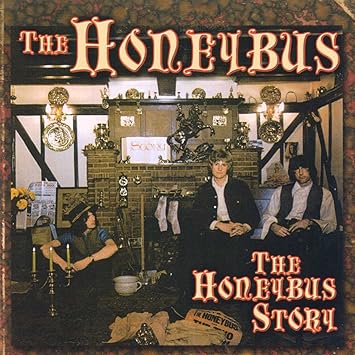
The remaining three members had to decide what to do with their main songwriter having departed. They agreed to carry on, replacing Pete with guitarist Jim Kelly. Ray had co-written some songs with Pete, so he took on the bulk of the writing role, but Colin stepped up and began writing as well. In discussing the Honeybus story, and in particular the album Story, Pete Dello praised the album stating, “it’s got some great stuff on it and I think both Ray and Colin flourished as songwriters because perhaps they saw that if I could do it, why shouldn’t they be able to do it?”.
The Pete Dello-less Honeybus began recording their sole album Story, part way through losing drummer Pete Kircher, who was replaced by Lloyd Courtenay. The album was released in March 1970 on the Deram label. Though reviews at the time were good, the band by that time had essentially already parted ways. Their manager was good friends with Dello and, after his departure, gigs dried up. With no live gigs to help promote the album, Deram didn’t bother with much promotion and the album simply faded away.
That’s a real shame, as there’s some excellent moments on Story. While it’s considered a psych album, it more than just flirts with folk and sometimes even country-rock elements, most of which were Colin’s influence (his solo album, March Hare released the following year is full-on acoustic folk/country-rock, in a very Dylanesque style).
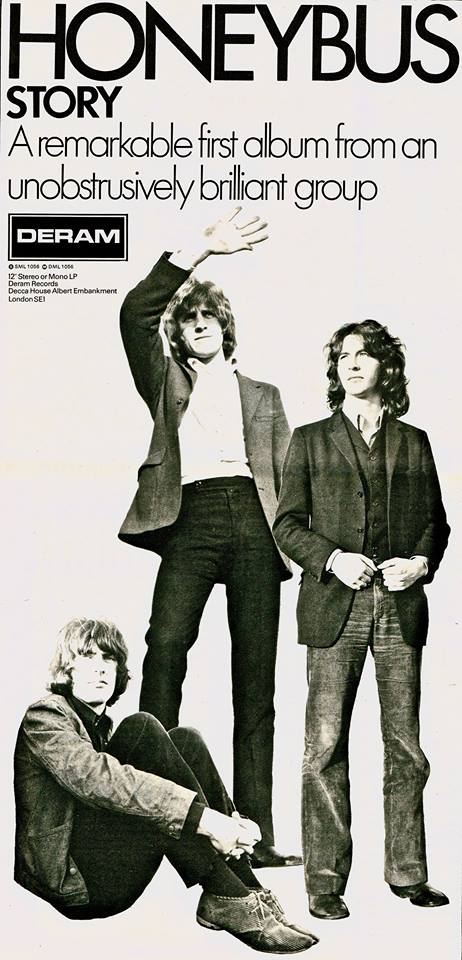
Highlights of the album are plentiful as there’s no weak tracks here. In particular, the title track is excellent, as are “Scarlet Lady”, and the two songs that close each side, “Ceilings No. 1” and “Ceilings No. 2”. The pick of the litter though, in my opinion, is buried near the end of side 2. “How Long” is a great piece of pop-psych. “Then he told you he was gonna love you forever”, the lyrics ask, “just how long do you think his forever’s gonna be?”
With the band having parted ways before Story was released, they each went on to other projects. But in 1973, surprisingly at Pete Dello’s behest, they reconvened. They recorded a new album, Recital, but it went unreleased. “The story about Recital is that Warner Brothers commissioned it”, Colin said, “but by the time that we finished the album, the A&R team were kicked out, they had a big reshuffle, so they had gone and the new people that came in just weren’t interested”.
With the Recital album completed but not released, the band packed it in for the last time.
Years later, Story began circulating among psych collectors who applaud it as a well-crafted album that draws comparisons to Badfinger and The Beatles. Original copies are commanding big bucks, but it’s since been re-released along with the previously shelved Recitial LP. There’s also a compilation album collating all the early singles together, and an LP’s worth of BBC recordings. All of these are worthy of investigation for fans of the band and for fans of 60’s British pop and psych in general.
Colin was great to chat with, sharing a ton of behind-the-scenes stories and even an impromptu live performance! To hear the full story of, well, Story…all you have to do is tune in, turn on and drop by Vinyl Relics wherever you get your podcasts. There’s a new under-the-radar featured album every week.
Gallery
Recent Articles


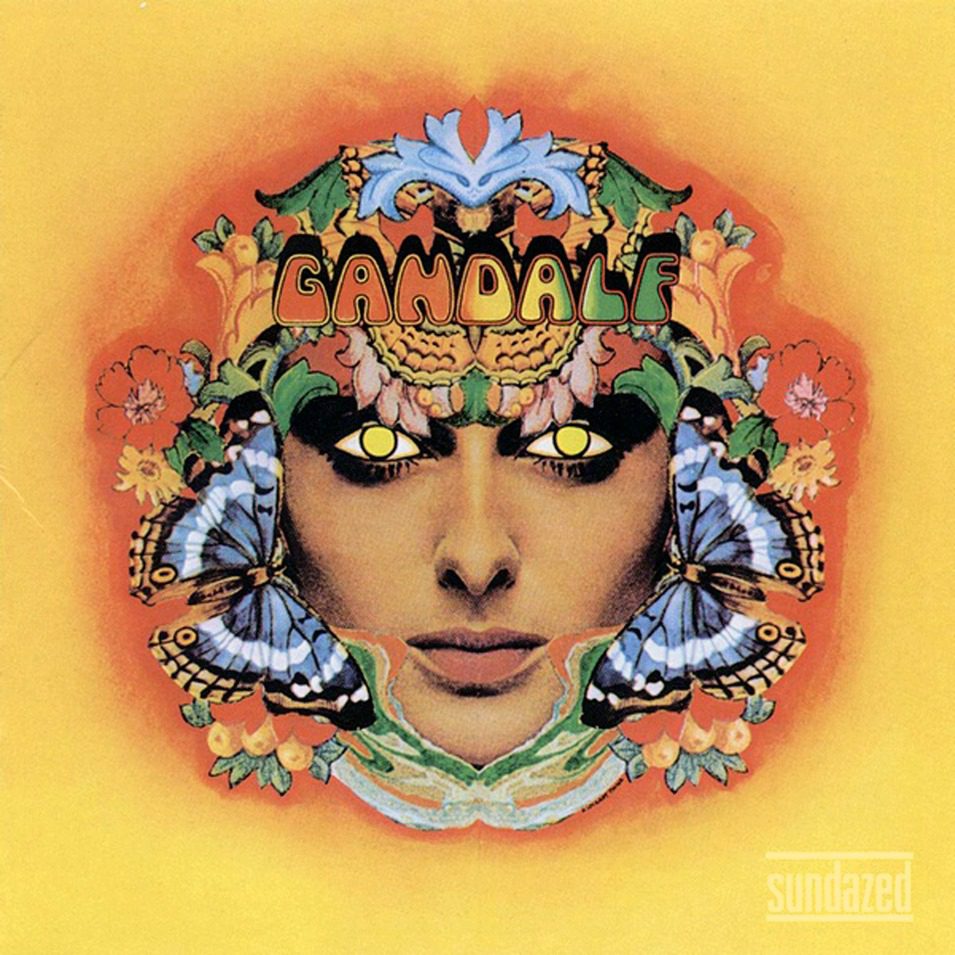
Vinyl Relics: Gandalf
•
October 15, 2026
Loading...