Vinyl Relics–Roger the Engineer by The Yardbirds
Vinyl Relics–Roger the Engineer by The Yardbirds
This is just my opinion, so no hate mail please: 1966 was the best year for music. My reasoning is simple: the kids from the early days of Beatlemania grew up. Hearing “I Want to Hold Your Hand” in 1963 would have given listeners no indication that just three years later The Beatles would blow everyone’s minds with “Tomorrow Never Knows”. As my counterpart on the Vinyl Relics podcast, the psychedelic wizard Uncle Herff often states, “the accolades that are heaped upon Sgt. Pepper actually belong to Revolver…and time has viewed Pepper’s predecessor as indeed a better album overall.”
In my opinon (again, no hate mail), 1966 is the demarcation point in music, the crossing of the musical rubicon, so to speak. Six months earlier, Dylan blew everyone’s mind with the groundbreaking “Like a Rolling Stone”; shattering all preconceived notions of what was allowed. It took them a few months to figure out what the hell just happened and how they would have to pivot as a result.
And pivot they did.
Suddenly rock music had a message. Bubblegum was out, meaning was in. Race, religion, war, politics – anything was fair game. What used to be subject matter only for the folkies was being backed by a rocking rhythm section and screeching guitars.
As great as several other years in rock music were, none displayed such a drastic change from one year to the next like 1966. A quick glance at some of the albums released that year further backs my claim: the aforementioned Revolver, The Beach Boys creative peak of Pet Sounds, The Kinks first genuine tour de force, Face to Face, The Byrds 5th Dimension with “Eight Miles High”, Zappa was freaking out, Dylan’s double masterpiece Blonde on Blonde, the Stones’ first album of all original material, Aftermath, and The Sounds of Silence, etc.
Debuts by The Mamas and the Papas, Buffalo Springfield, Jefferson Airplane, The Blues Magoos, the 13th Floor Elevators, The Monkees, Gordon Lightfoot, Love, Butterflied Blues Band merging East with West on the appropriately titled East-West, The Sir Douglas Quintet, The Small Faces, The Troggs. Garage rock gold of Turn on the Music Machine, The Seeds, The Psychedelic Sounds of the 13th Floor Elevators, Gloria by The Shadows of Knight, Boom! by The Sonics, ? & The Mysterians, The Standells’ Dirty Water. Great R&B by The Supremes, Wilson Pickett, Smokey Robinson & The Miracles, Sam & Dave, Aretha, Percy Sledge, Don Covay and Otis Redding’s The Soul Album.
Regardless of the genre, you can point to an incredible album that would go on to become highly influential. (Yes, I know I missed some fantastic albums on the list – no hate mail, please).
Nineteen sixty-six, like no other year, saw the merging of genres that smashed through the previous boundaries. It was the ultimate explosion of artists expanding their musical vision while at the same time writing lyrics that made listeners think.
Maybe it’s because the list of the year’s great albums is so long that Roger the Engineer tends to get overlooked.
Up until that point, The Yardbirds were a singles machine. They had released two albums then – the first a live album and the second being a hodgepodge of tracks collating singles and b sides. By 1966, they began work on their first full studio album.
While they had relied on covers and outside writers for the bulk of their material until then, this time it would be all originals.
Eric Clapton had already departed, and Jeff Beck proved to be the perfect replacement, bringing his incredible style to a band that was moving away from the constraints of the 12-bar blues they had earlier been shackled by. Beck’s presence became evident right away with the release of “Heart Full of Soul” featuring his stinging guitar. (For fun, check out their original version of the song. That signature guitar lick was originally intended to be played on a sitar. Let’s just say they made the right decision).
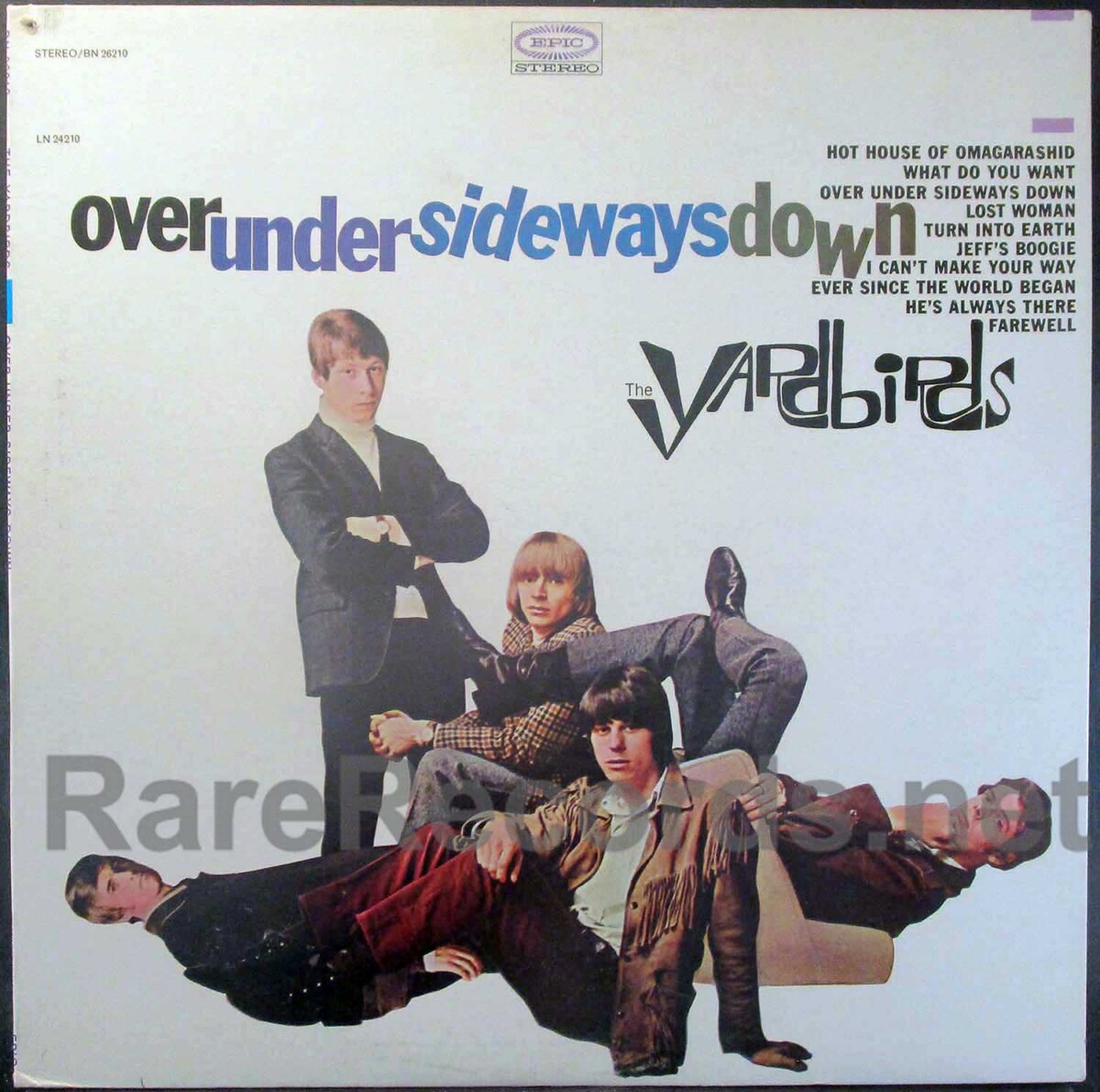
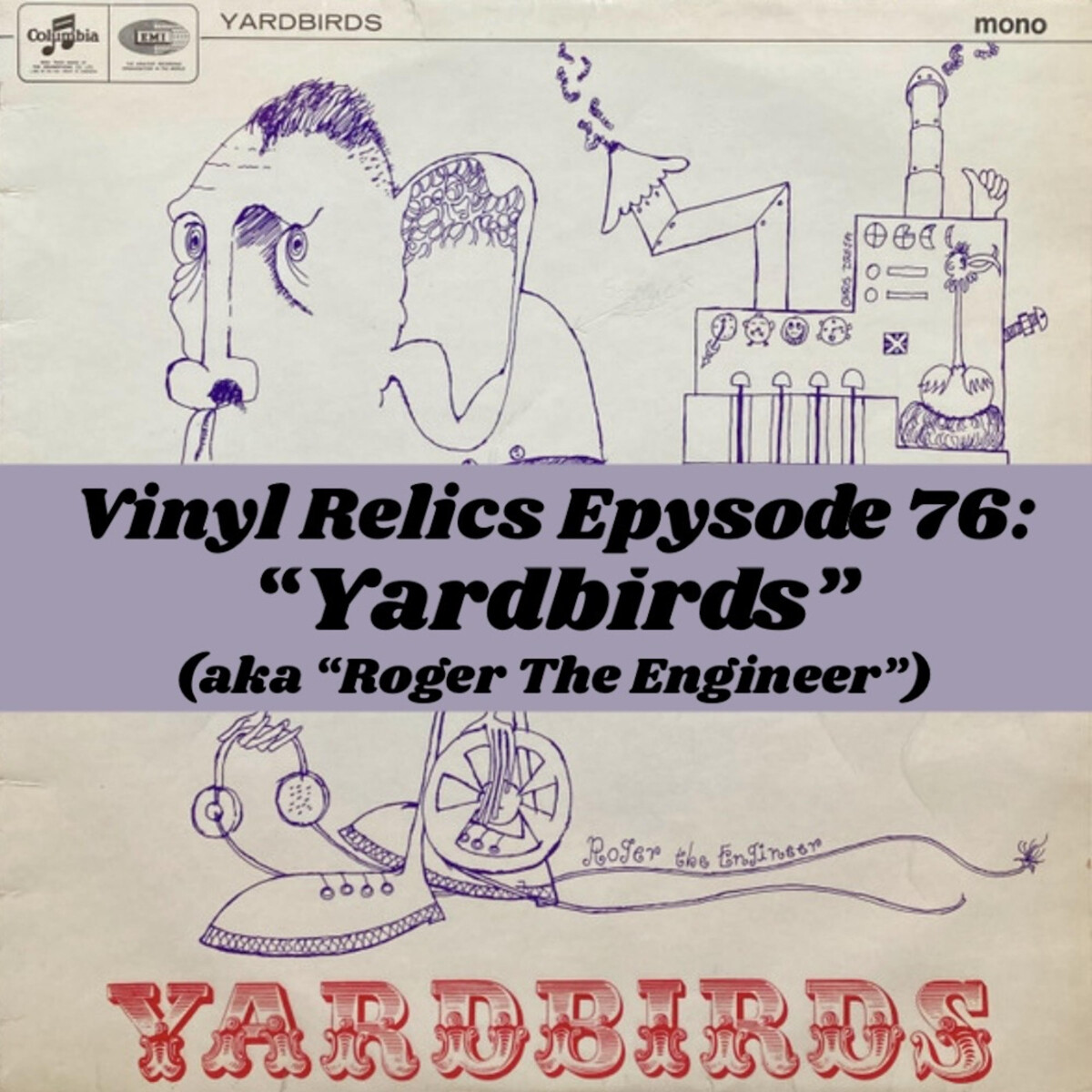
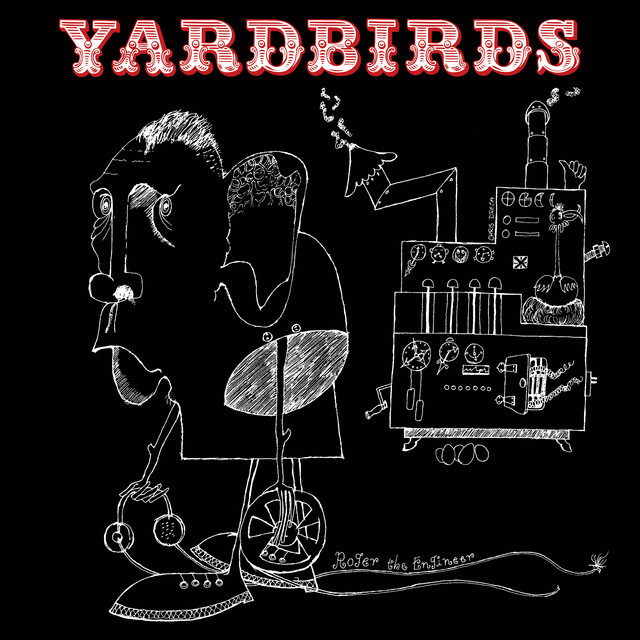
The Yardbirds was released in July, 1966. Fans quickly started calling it Roger the Engineer due to the cover drawing (by rhythm guitarist Chris Dreja). Current reissues have reverted to that name, making it somewhat official now. In the United States and Canada, it was released under the title Over, Under, Sideways, Down and had a different (and boring) cover.
The 12 tracks feature a band that was bridging their sound from the blues into full on psychedelia. While Keith Relf was never the greatest vocalist, his voice is well suited for the songs on this album. But the highlight, without question is Beck’s guitar. He’s all over this thing getting highly experimental. Guitar players love this album. I’ve read on several online forums where fans claim Roger is their favourite Beck album. Considering what he would release later in his career, that’s high praise.
This LP would turn out to be the creative peak of the band. Their story is well-told of course, with Beck soon departing and Jimmy Page coming in. Their next album, Little Games (with Jimmy) has a few good moments, but is decidedly more poppy as the producer and label were looking for hits. The result gives us, unfortunately, tracks like “Ha Ha Said the Clown”. Shortly after its release, Relf and drummer Jim McCarty would leave and eventually form Renaissance, and Jimmy Page would bring in some new members for a contractual tour as “The New Yardbirds”. Page, Plant, Bonham, and Jones would go on to a modestly successful career (that’s a joke, no hate mail please).
My show, Vinyl Relics, dives into the lesser known, the underrated, the below-the-radar albums. As I was working on the script for an “epysode” I’m working on for the first Renaissance album, I realized the back story of the band was too long. I decided to break that back story into two parts, and the result was an epysode on The Nashville Teens album Tobacco Road, and one on Roger the Engineer, as both bands had members that moved on to Renaissance. The show provides background stories, many times with exclusive commentary from the artists themselves, song analysis, and additional artist/album information. It’s available on all podcast platforms, with new epysodes dropping weekly. If you want to hear more information about this particular album, it’s epysode 76.
A casual fan has a compilation/Best of Yardbirds album, and that makes sense given they were more of a singles band. But my advice is not to sleep on this one–it’s worth seeking out. If you can find a copy with the mono mix, I highly recommend it over the stereo version.
It was included in Rolling Stone’s 500 Best Albums of All Time list, in the book 1001 Albums You Must Hear Before You Die, and it’s received excellent retrospective reviews (4.5/5 from AllMusic, as an example).
While Roger is not a perfect album, it does showcase a band that was really stretching into new sonic territory, led by one of the greatest rock guitarists of all time who was firing on all cylinders. In a year that saw a slew on incredible albums, Roger the Engineer stands proudly among them. This album lends more evidence to the fact that 1966 was the best year in music history. No hate mail…please.
Gallery
Recent Articles

Loading...