Podcast–Curt Kearney
Podcast–Curt Kearney
The Real Work After Insight: How IFS Helps Turn Breakthroughs Into Change
The Real Work After Insight: How IFS Helps Turn Breakthroughs Into Change
That “wow” moment is real.
But it’s not the finish line — it’s the starting point.
Why Insight Isn’t Enough
There’s a moment many people recognize.
Something clicks.
A realization lands.
A new perspective opens up.
And the immediate feeling is often simple:
“Wow.”
But what follows almost immediately is a quieter, more important question:
“Now what?”
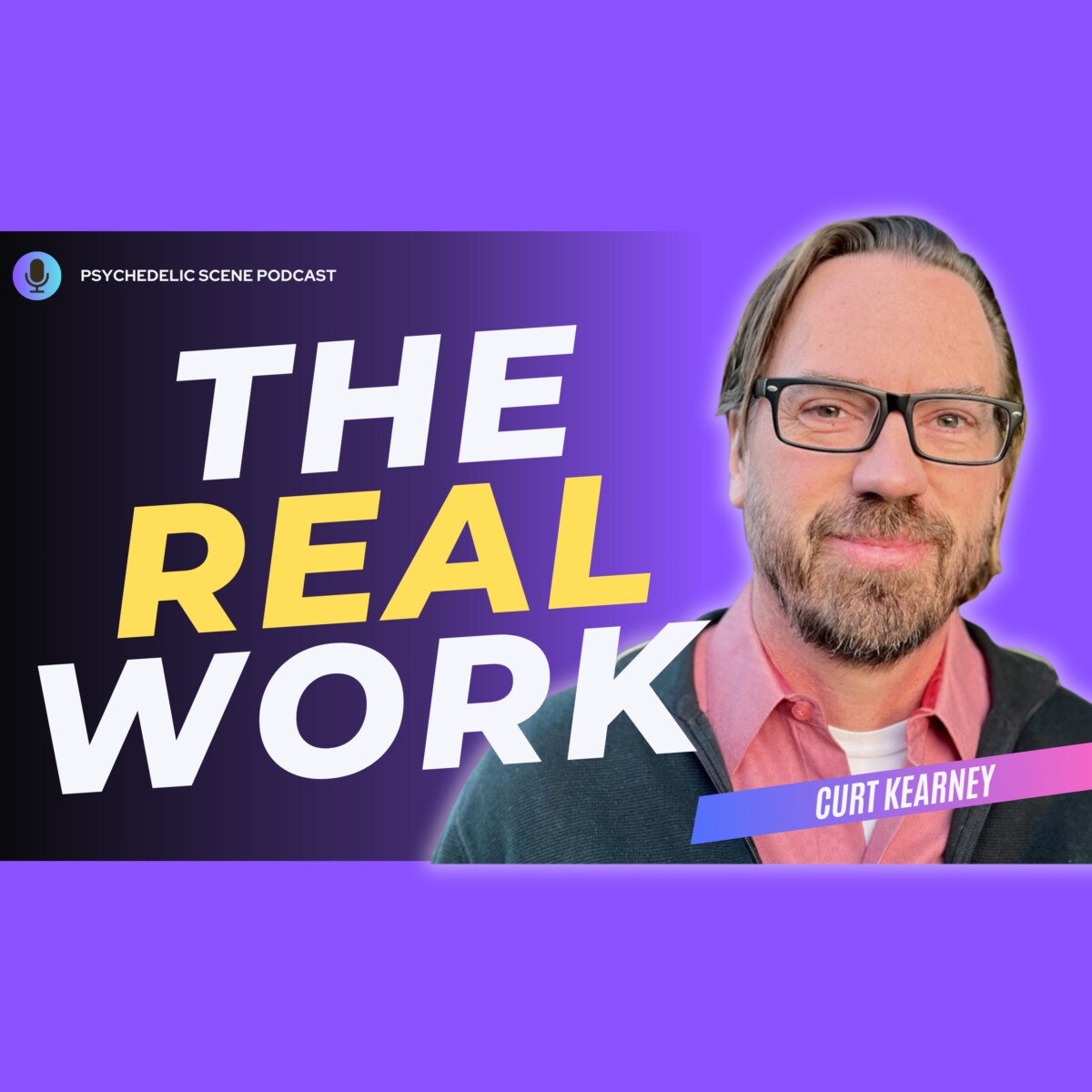
In this episode of the Psychedelic Scene Podcast, psychotherapist Curt Kearney explores what happens after that moment of insight — and why lasting change requires more than a single experience.
What Creates Lasting Change?
Insight can open the door.
But it doesn’t walk you through it.
Real change happens in the days and weeks that follow — in ordinary moments:
- Sitting in traffic
- Feeling triggered in a conversation
- Reacting in familiar ways
- Noticing patterns you thought you had already “solved”
This is where most people get stuck.
Because insight feels like progress.
But integration is what actually creates change.
How Internal Family Systems (IFS) Fits In
One of the key ideas Curt introduces in this conversation is Internal Family Systems (IFS) — a way of understanding the mind as made up of different “parts.”
Instead of seeing reactions as problems to fix, IFS invites a different perspective:
What if your inner world could be understood like a system of relationships?
Rather than:
- fighting your thoughts
- judging your reactions
- trying to override patterns
IFS encourages:
- getting curious
- building awareness
- developing a relationship with different parts of yourself
That shift alone can change how people approach healing.
From Breakthrough to Relationship
Many people chase repeated moments of insight — hoping the next one will finally “fix” things.
Curt offers a different framing:
Insight is valuable.
But it’s not the goal.
The real work is learning how to:
- stay in relationship with yourself
- understand your reactions as they happen
- respond differently in everyday situations
In other words, the question isn’t:
“How do I get another breakthrough?”
It’s:
“How do I live differently now?”
The Role of Ongoing Practice
This is where many approaches to healing fall short.
They focus on:
- the experience
- the moment
- the realization
But they don’t always support what comes after.
IFS provides a structure for that “after.”
It gives people a way to:
- revisit insights without needing another intense experience
- stay connected to what they learned
- apply it in real-life situations
Because ultimately, change isn’t measured in moments of clarity.
It’s measured in:
- how you respond
- how you relate
- how you live

A More Grounded View of Healing
This conversation brings things back down to earth.
It moves away from the idea that healing is:
- dramatic
- immediate
- one defining moment
And toward something more realistic:
Healing is:
- ongoing
- relational
- built over time
And often, it looks very ordinary from the outside.
Gallery
Recent Articles


Loading...