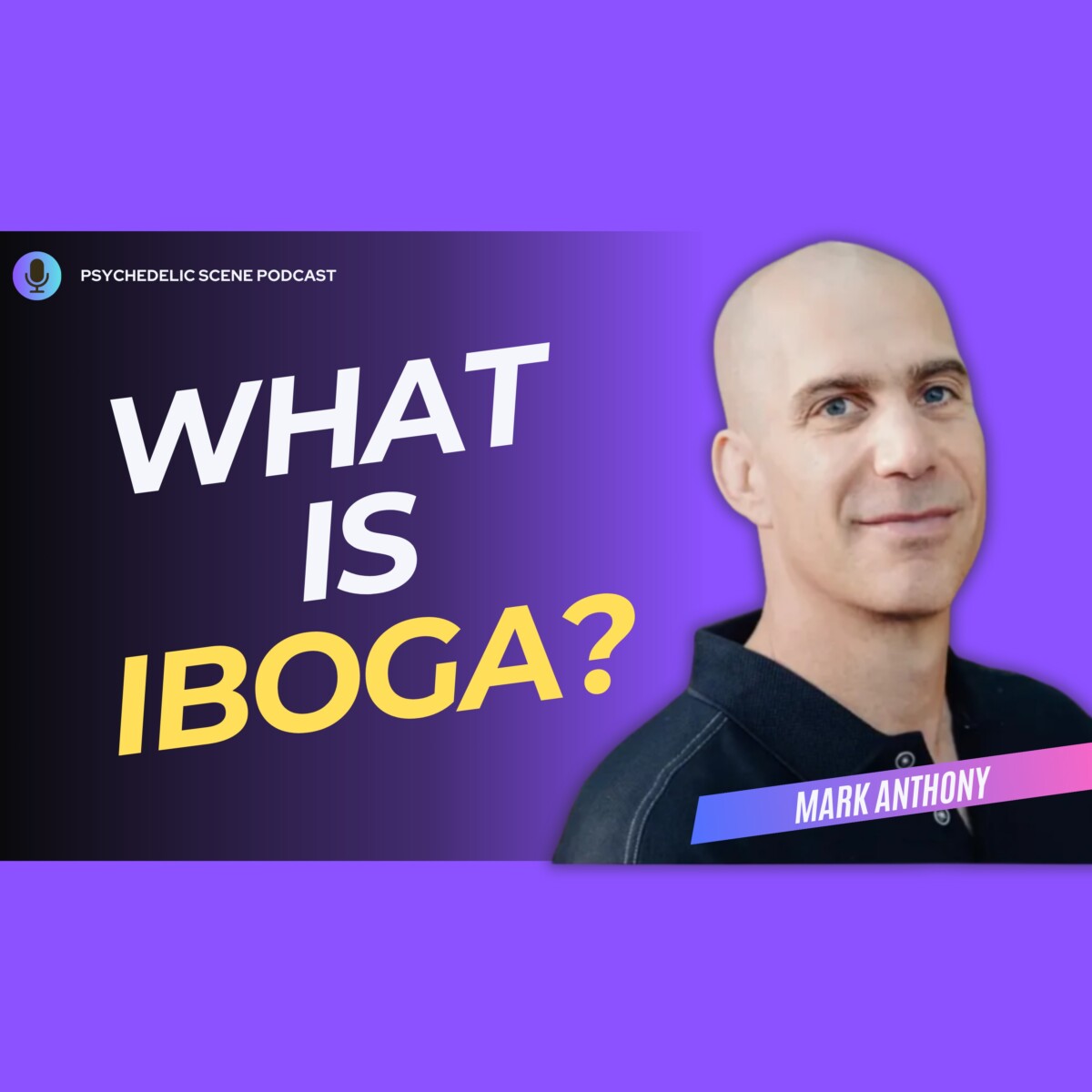
Podcast: Mark Anthony on Ibogaine
Podcast: Mark Anthony on Ibogaine
Mark Anthony
Iboga and Ibogaine Explained: History, Safety, and What the Experience Teaches
Not all psychedelic experiences are the same. Iboga is known for its deeply internal process, long duration, and strong emphasis on personal reflection and responsibility.
What Is Iboga and Where Does It Come From?
Iboga comes from the root bark of a tree native to Central West Africa, especially Gabon. For thousands of years, it has been used in the Bwiti spiritual tradition for rites of passage, personal insight, and community ceremonies.
Unlike many plant medicines associated with visual experiences, iboga is often described as deeply internal. People frequently report memory review, emotional insight, and periods of quiet reflection rather than outward visual intensity.
What Is the Difference Between Iboga and Ibogaine?
Ibogaine is a naturally occurring alkaloid extracted from the iboga root. While iboga contains many compounds, ibogaine is the most studied component, particularly in addiction research.
- Iboga: traditionally used in ceremonial and spiritual contexts, containing the full range of alkaloids
- Ibogaine: purified alkaloid often used in clinical settings focused on addiction interruption
Both approaches may involve preparation, screening, and post-experience integration.
Why Safety and Screening Matter
Iboga and ibogaine affect the nervous system and require careful medical screening. Responsible programs typically require:
- Heart, liver, and kidney evaluations
- Medication interaction review
- On-site medical supervision during administration
These precautions help reduce preventable risks and ensure participants are medically appropriate candidates.
What the Experience Is Often Like
People frequently describe iboga experiences as:
- Long in duration (often 24–36 hours of primary effects)
- Highly reflective and introspective
- Focused on personal memory, behavior patterns, and life review
- Followed by a sense of mental clarity or reset
Not every experience involves vivid visuals. Many people report somatic awareness, emotional processing, and internal insight as the most significant aspects.
Why Integration Matters
Integration refers to applying insights from the experience to daily life. Practices such as reflection, coaching, community support, and behavioral change planning help maintain long-term benefits. Without integration, meaningful insights may fade over time.
Gallery
Recent Articles



Vinyl Relics: Gandalf
•
October 15, 2026
Loading...