

Why Psilocybin Medicine Is Not One Size Fits All
- Rhonda DeSantis, Founder & CEO, Psylutions
Directed by Tony Palmer & Frank Zappa, 1971
Frank Zappa was always an iconoclast. His music veers from complicated avant garde musique concrete, incorporating the works of composer Edgar Varese and modern conceptual art, John Cage and free jazz aficionados like Pharoah Sanders & Sun Ra, and always with dagger-sharp lyrics that skewered pomposity and hypocrisy, laced with juvenile humor and acerbic wit. A true misanthrope, Zappa detested conformist squares and suburban crew cuts, but he also hated hippies and users of psychedelics. Rather infamously, Zappa never did drugs or drank alcohol (although he tolerated it among his bandmembers, as long as it didn’t interfere with the playing), which makes the psychedelic tunes he made with The Mothers of Invention all the more extraordinary.
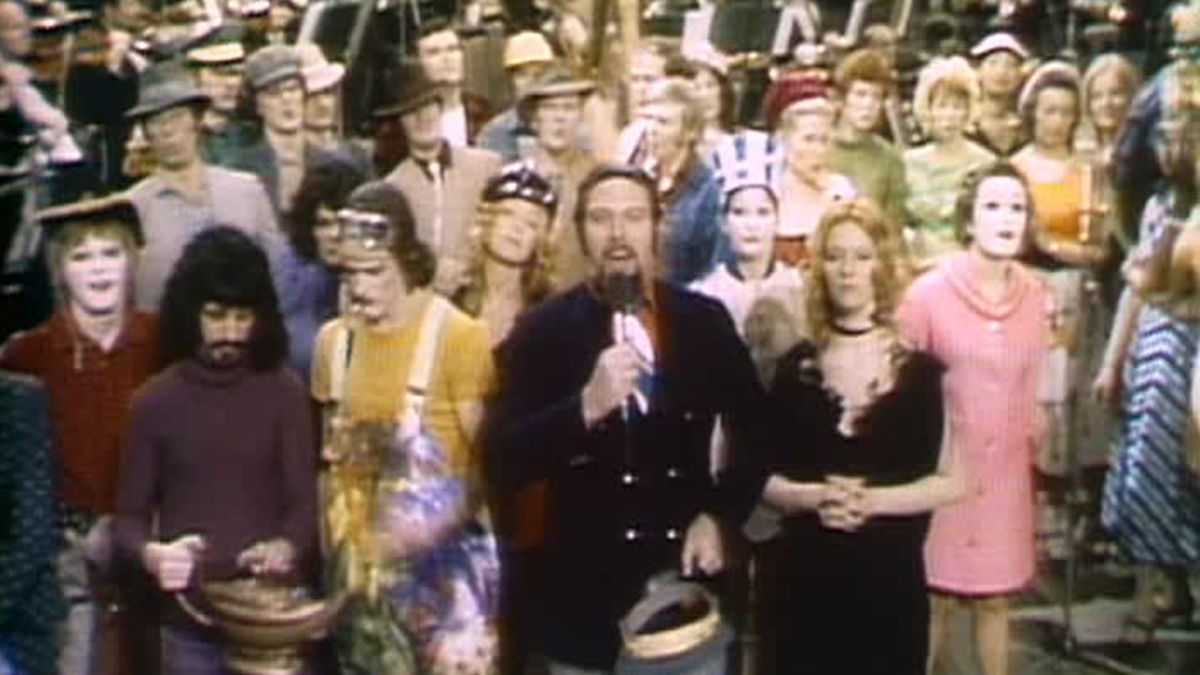
After four years and a series of great albums, Zappa dissolved the original lineup of the Mothers and brought in some new members, including Howard Kaylan and Mark Volman, AKA Flo & Eddie (formerly of The Turtles, who were behind the megahit “Happy Together”). Frank brought this new group over to London, where they established a residency and planned out Zappa’s next artistic statement, a post-modern/meta/concert/orchestral piece/ satire/acid-rock/dance/film/video. In addition to the Mothers, the project eventually included folk singer Theodore Bikel (as the many-named devil who tempts the various band members to sell their soul), Ringo Starr (dressed exactly like Zappa), Keith Moon as a white-faced nun/suicidal groupie, and Miss Lucy, Miss Janet, and Pamela Des Barres of the infamous groupie collective the GTOs (Zappa produced the GTO album in ’69) playing basically themselves.
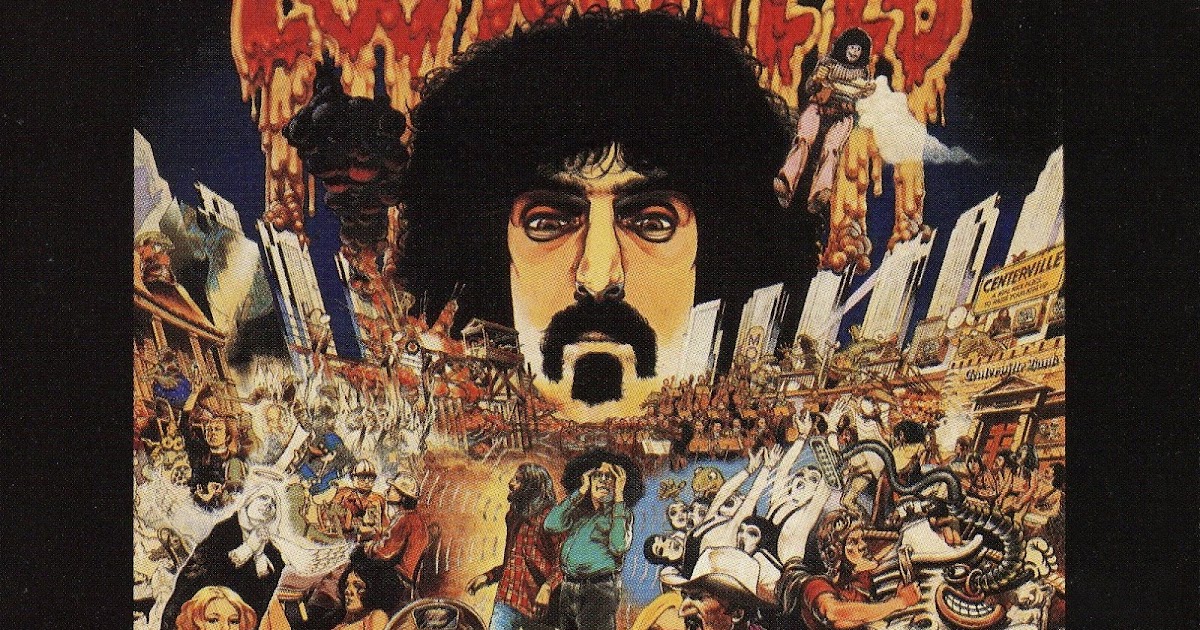
It’s almost impossible to describe the experience of 200 Motels. There’s an outline of a plot, and some aspects of the story are told via lyrics, but this is not about the story. Or the plot. Or the characters. It is actually 100 minutes of unfettered chaos, a mobius strip that circles in on itself. This is not the chaos of the Marx Brothers, or The Beatles (despite Ringo’s presence) or even The Monkees, who Zappa had a few interactions with, appearing in the penultimate episode dressed like Mike Nesmith (while Nesmith is dressed like Zappa); he also appeared in a two-line cameo in their psychedelic opus Head. The chaos of those groups was always contained within the frame of a linear story or a film: it had a beginning, middle, and end.
What sets 200 Motels apart is that the film is psychedelic chaos even in its own construction, or rather, the chaos & iconoclasm extends to the film-making techniques used. Shot on video with multiple cameras over one week inside a British soundstage, the film incorporates a live performance of the score with the Royal Philharmonic Orchestra as well as rock songs performed by the Mothers. Not to mention skits, scenes of the band hanging out in crummy towns after their gigs, riffs on the band members trying to get laid (as well as the groupies trying to lay them). Scenes fade in, cut off, action begins and then a voiceover presides. The footage is sped up, slowed down, repeated (not unlike a GIF), solarized, with multiple breakings of the 4th wall and meta references to the film itself. A riff about guitarist Jeff Simmons quitting the band and stealing stuff from motel rooms becomes an extended animation sequence. In real life, guitarist Jeff Simmons actually did quit the band days before filming started, so his role is actually played by Martin Lickert, Ringo’s chauffeur, who surprisingly has a laconic on-screen charm as well as good comedic timing. The guys in the band all complain that Frank records their conversations and then incorporates them into his songs—all while Ringo-as-Frank sits in the corner, microphone in hand.
There’s a great deal of absurdist content, stoned comedy, elaborate in-jokes, and mythologizing of Frank’s cult status. Fans of Zappa’s output were thrilled by the inclusion in the film of two members of the original Mothers, Don Preston doing a mad scientist riff and drinking strange bubbling potions, and drummer Jimmy Carl Black (the Indian of the group) as Lonesome Cowboy Bert, a redneck the band meets whose theme song is a genuine highlight of the film. There are topless groupies, crossdressing, dance segments sped up and reversed, with the dancers all wearing lizard heads. Ringo is obviously dressed and made up to look exactly like Zappa, but his character is called “Larry the Dwarf”. Keith Moon, always dressed in a nun’s habit with whiteface, runs in and out of the orchestra rows, before appearing in a scene as a weeping groupie.
At various points, the action simply cuts away to something new, or there is an orchestral interlude of several minutes. Zappa’s orchestral music is heavy with percussion and avant garde technique—musique concrete–and is similar to his 1968 album Lumpy Gravy. The songs by the Mothers are fuzzed-out rock, the vocal stylings of Flo & Eddie adding heft to the groove the band gets in.
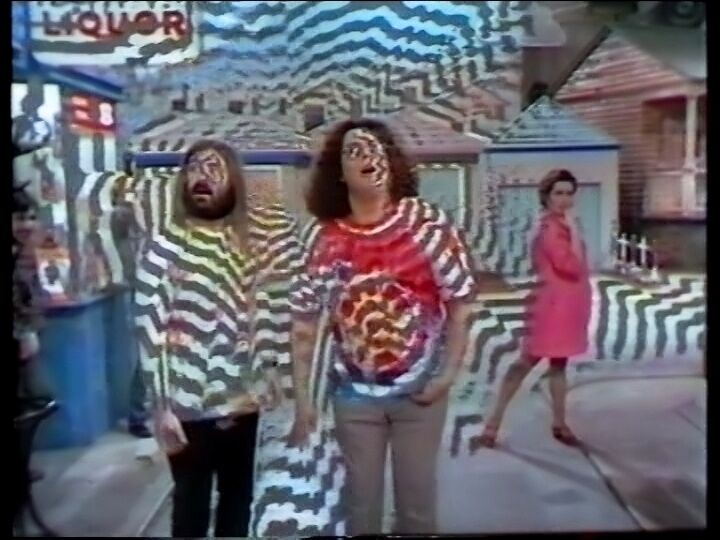
The lyrics, for the most part, are irrelevant and repetitive, but the film has a mesmerizing quality that makes it quite a trip. Several scenes exist in a psychedelic liminal space that mimics the synesthesia that occurs while tripping: one extended scene shows Flo & Eddie shuffling strangely through a cardboard set of a town called “Centreville”. As they shuffle, the image on-screen pulses and shimmers with geometric patterns, moving unnaturally through the landscape, various townspeople act out bizarre rituals, while the duo chant: “A real nice place to raise your kid up”. The various solarization techniques give the film a lysergic glow.
Would a casual viewer who was not necessarily a fan of Frank Zappa’s music or humor find the film enjoyable? I doubt it. But the film is an entertaining visual compilation with absurdist touches of humor, sardonic wit, and some experimental sound and video editing techniques. Music fades up, down, getting louder, layered, voices are chopped up and re-contextualized, references are called back. Voiceover narration comes on the soundtrack, then gets dropped. For viewers seeking coherence, plot, developed characters, and a message, there is none. For those willing to wander the nooks and crannies that 200 Motels explores, a pleasant time is guaranteed for all.
2 thoughts on “Psychotropic Cinema: 200 Motels”
I find the blend of music and visuals in 200 Motels really interesting. Did you have a favorite scene from the movie?
I have 3 favorites: The scene of Flo & Eddy shuffling through Centreville; the extended animation riff of Jeff in his motel room; and the Bertram Redneck song